


 Deutsch
 English
 Español
 Français
 Nederlands
 Português


 Share
Share




Japan's Aging Crisis Demands Innovation
Japan faces an unprecedented demographic challenge with the world's oldest population - 29.1% are over 65. Rural areas are hit hardest where up to 50% of residents will be seniors by 2045. With plummeting birth rates and young people migrating to cities, elder care facilities face critical staffing shortages. The solution? Robots.
Robotic Caregivers Enter Rural Homes
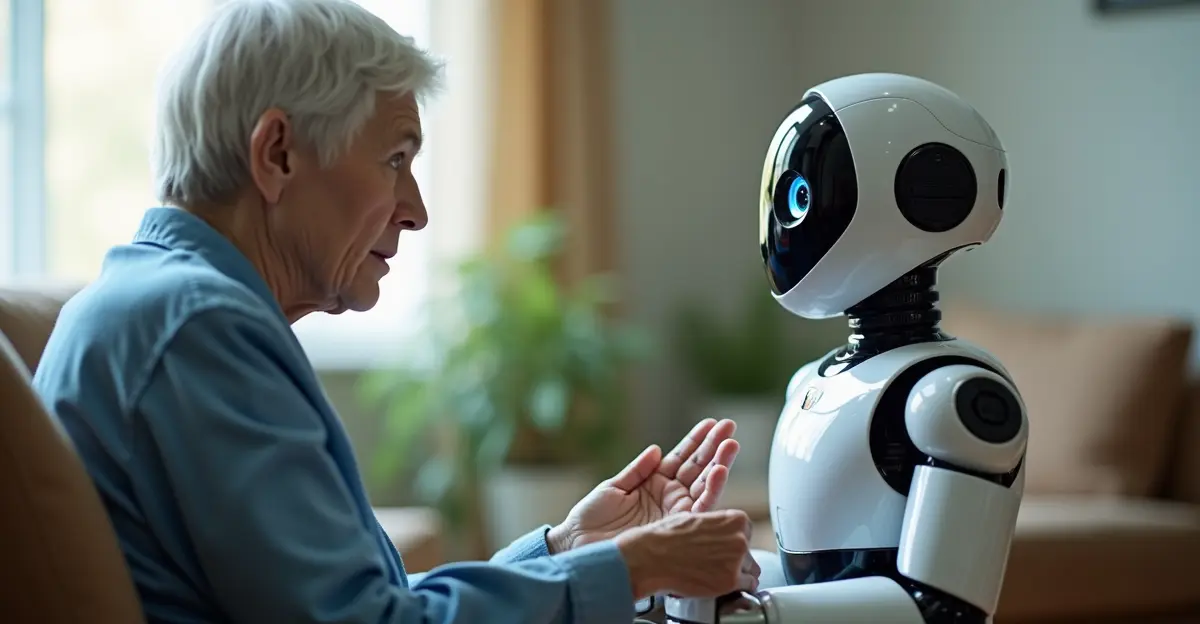
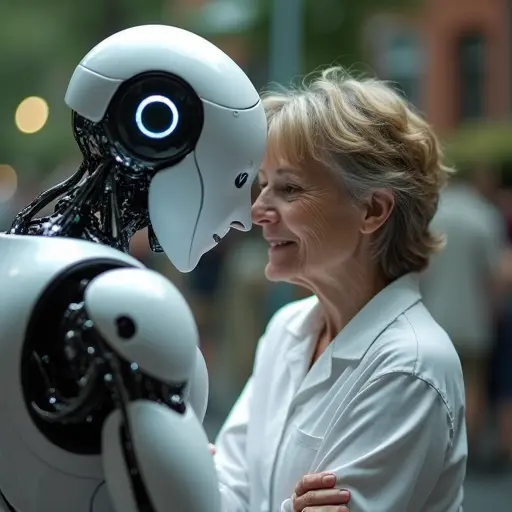
Across Japan's countryside, facilities are deploying AI-powered assistants like PARO therapeutic seals that comfort dementia patients and lifting robots that safely transfer bedridden seniors. Toyota's Human Support Robot fetches items and monitors vital signs, while companies like Seismic develop powered clothing that augments human caregivers' strength. "These aren't replacements but partners," explains roboticist Kenji Kushida. "One caregiver supported by robots can now do work that previously required three people."
Government Drives Tech Adoption
Japan's Ministry of Health actively promotes eldercare robotics through initiatives like the "Robotic Care Devices Development and Introduction Promotion Project." By 2025, the government aims to deploy 25,000 care robots nationwide. Prefectures like Akita (where 38.6% are seniors) offer subsidies covering 90% of robot costs for care homes. "We're creating new certification standards for care robots to ensure safety and interoperability," stated a ministry spokesperson.
Silicon Valley-Japan Collaborations
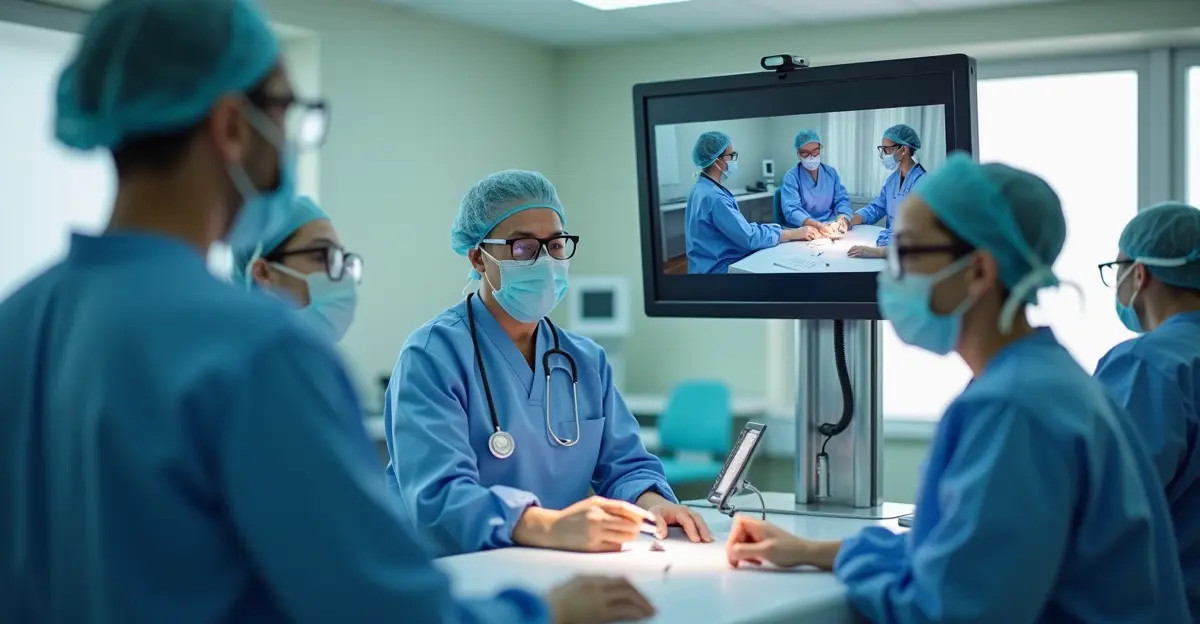
Japanese firms increasingly partner with U.S. tech companies. Obayashi Corporation works with Silicon Valley's SafeAI on autonomous vehicles for remote care delivery, while Kanamic Network's cloud platform connects rural patients with urban specialists. These collaborations address Japan's projected shortfall of 380,000 care workers by 2025. "Our nursing homes in Hokkaido now use VR for remote physical therapy sessions with Tokyo specialists," reports elder care director Aiko Tanaka.
Global Implications
As South Korea and China face similar aging trends, Japan's robotic solutions may become export products. Companies like Cyberdyne already market robotic exoskeletons internationally. However, challenges remain around cost (average care robot: $20,000) and emotional acceptance. "The real breakthrough," notes Kyoto University's Dr. Haruto Yamamoto, "will be when machines understand subtle emotional cues - we're not there yet."
Follow Discussion