


 Deutsch
 English
 Español
 Français
 Nederlands
 Português


 Share
Share




What is Japan's Physical AI Revolution?
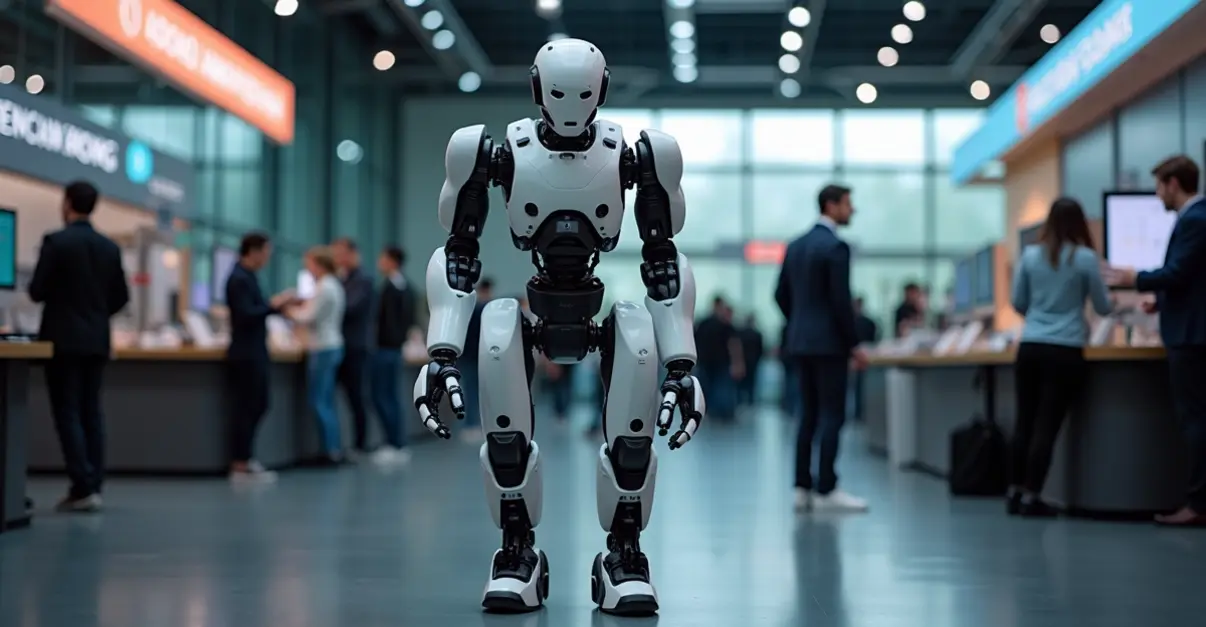
Japan is pioneering a groundbreaking physical AI revolution where robots are solving the nation's severe workforce crisis by taking on jobs that humans cannot or will not do. With the working-age population projected to shrink by 15 million over the next 20 years and 29% of the population already aged 65 or older, Japan has turned to AI-powered robotics as a matter of 'industrial survival.' The country aims to capture 30% of the global physical AI market by 2040, building on its existing 70% dominance in industrial robotics. This strategic shift represents a fundamental transformation in how nations address demographic challenges through technological innovation.
Japan's Demographic Crisis Drives Robotic Innovation
Japan faces unprecedented demographic pressures that have created an urgent need for robotic solutions. The country's population has declined for 14 consecutive years, with only about 60% of the population currently in the working-age bracket. 'The driver has shifted from simple efficiency to industrial survival,' says Sho Yamanaka of Salesforce Ventures in an interview with TechCrunch. 'Japan faces physical supply constraints where essential services cannot be maintained due to a lack of labor. Given the shrinking workforce, physical AI is a matter of national urgency to maintain industrial standards and social services.' This demographic reality has forced Japan to innovate in ways that other nations are only beginning to consider.
How Physical AI Differs from Traditional Robotics
From Fixed Programming to Adaptive Intelligence
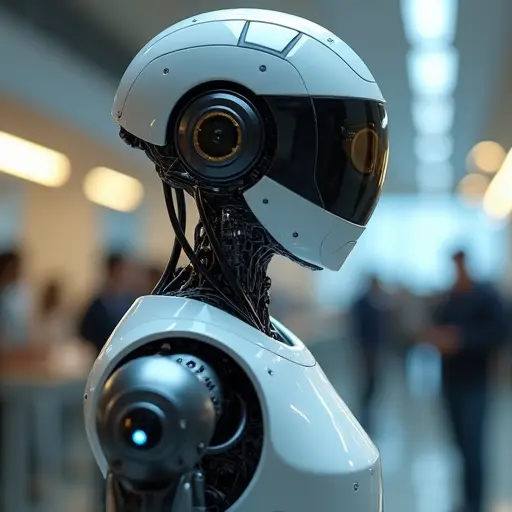
Unlike traditional industrial robots that follow fixed programming, Japan's new generation of physical AI systems integrates sophisticated artificial intelligence that enables adaptive, context-aware operation. These systems combine advanced sensors with real-time machine learning, allowing robots to perceive their environment, understand context, and adjust behavior dynamically. This represents a fundamental shift from the traditional automation systems that have dominated manufacturing for decades.
Cultural Acceptance and Implementation Advantages
Japan enjoys unique advantages in implementing physical AI compared to other nations. Robots are culturally more accepted in Japanese society, and the country has a well-established supply chain for robotics components. Additionally, Japan's manufacturing sector has maintained 70% of the global industrial robotics market share since 2022, providing a strong foundation for expansion into AI-enhanced systems. The government has committed approximately $6.3 billion (¥1.23 trillion) to advance robotics integration through stimulus packages and research funding.
Success Stories: Automotive Industry Leads the Way
Japan's automotive sector has emerged as a leader in physical AI implementation, with companies like Toyota, Honda, and Mitsubishi deploying advanced robotic systems to maintain production capacity. The automotive industry alone installed 13,000 industrial robots in 2024, representing an 11% year-over-year increase. Toyota's collaboration with Preferred Networks has resulted in physical AI systems that enable mass customization on shared assembly lines, allowing robots to adapt to variations in parts and processes without human intervention.
These systems are particularly valuable for tasks that are physically demanding, repetitive, or performed in hazardous environments. Unlike the global manufacturing trends that focus on cost reduction, Japan's approach prioritizes maintaining industrial operations that would otherwise be impossible due to labor shortages. The industrial robot market was valued at $1.27 billion in 2024 and is forecast to grow at 9.8% annually through 2033, with Japan positioned to capture a significant portion of this expansion.
Global Implications and Competitive Landscape
Japan vs. US and China: Different Approaches
While Japan maintains dominance in robotics hardware, it faces competition from the United States and China in software integration and full-stack AI systems. The U.S. and China focus on developing comprehensive AI platforms, while Japan leverages its hardware expertise in actuators, sensors, and control systems as a strategic advantage. This hardware-first approach allows Japan to create robust physical AI systems that excel in real-world industrial applications.
Blueprint for Aging Societies Worldwide
Japan's experience provides a valuable blueprint for other nations facing similar demographic challenges. Countries with aging populations and limited immigration options can learn from Japan's approach to workforce augmentation through technology. The Japanese model demonstrates how technological adaptation can address critical labor shortages while maintaining economic productivity and social services.
Future Outlook and Strategic Goals
Japan's Ministry of Economy, Trade and Industry (METI) has established ambitious targets for physical AI development. Beyond the 30% global market share goal by 2040, the country is expanding robotic applications beyond manufacturing into logistics, healthcare, eldercare, and infrastructure maintenance. Companies are moving from pilot programs to customer-paid deployments, indicating growing commercial viability for physical AI solutions.
The integration of multimodal AI allows robots to understand natural language instructions, representing a significant advancement in operational flexibility. This technology enables robots to work alongside humans more effectively, taking on supporting roles while human workers focus on supervisory and creative tasks. As Japan continues to refine its physical AI systems, the country is positioning itself as a global laboratory for robotics innovation that addresses fundamental societal challenges.
Frequently Asked Questions
What is physical AI?
Physical AI refers to artificial intelligence systems integrated into robotic hardware that can operate in physical environments, perceive their surroundings, and adapt behavior based on real-time data and learning algorithms.
Why is Japan leading in physical AI adoption?
Japan leads due to severe demographic pressures (29% population over 65), high cultural acceptance of robots, existing robotics manufacturing dominance (70% global market share), and government investment of $6.3 billion in AI development.
How many industrial robots does Japan have?
Japan employs over 250,000 industrial robot workers currently, with projections exceeding 1 million within 15 years. The automotive sector alone installed 13,000 new robots in 2024.
What jobs are robots taking in Japan?
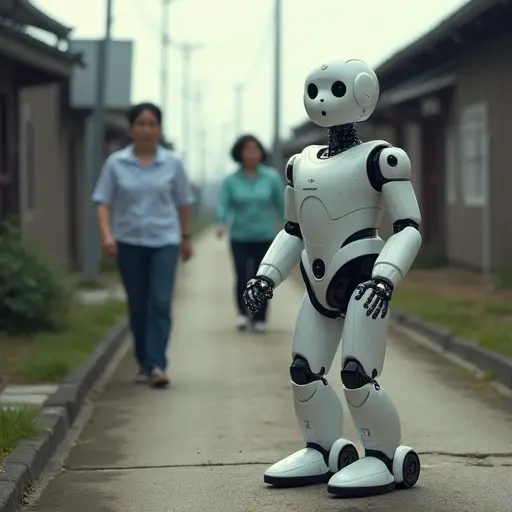
Robots are filling physically demanding, repetitive, or hazardous positions in manufacturing, logistics, infrastructure maintenance, and eldercare—roles with insufficient human applicants due to demographic pressures.
How does Japan's approach differ from other countries?
Unlike Western nations where automation is often viewed as job replacement, Japan sees robots as essential continuity tools for maintaining industrial operations amid workforce shortages, focusing on augmentation rather than replacement.



Follow Discussion