


 Deutsch
 English
 Español
 Français
 Nederlands
 Português


 Share
Share




What Is the Musk vs Altman OpenAI Trial About?
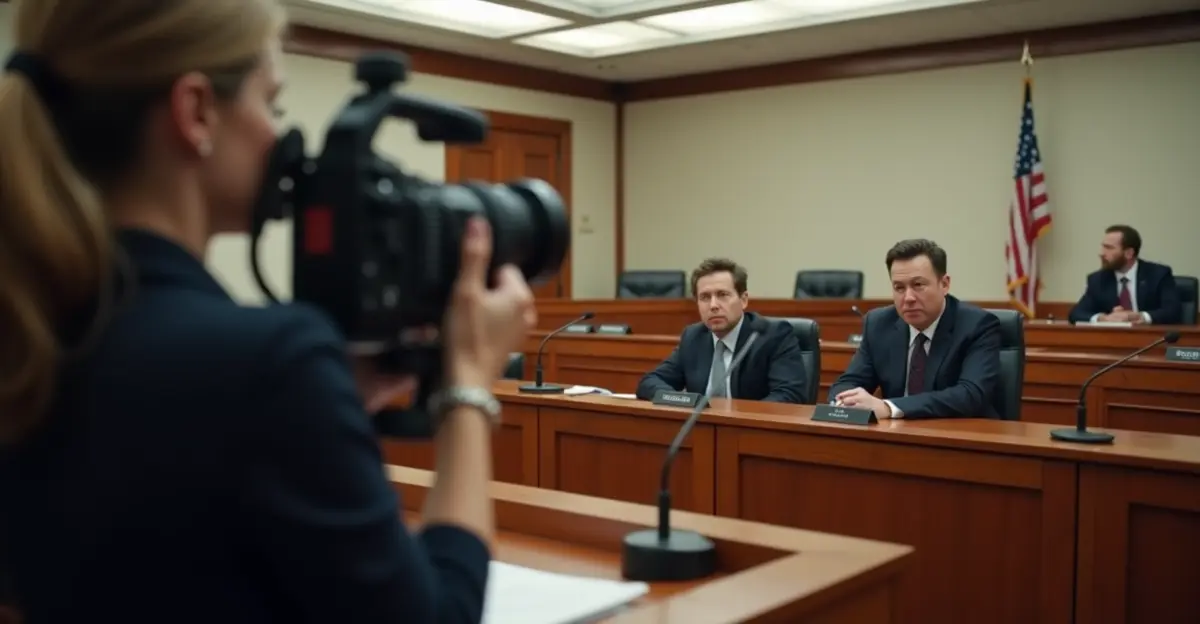
The trial between Elon Musk and Sam Altman over OpenAI's transformation from a nonprofit to a for-profit juggernaut began on April 27, 2026, in Oakland, California. Musk, the world's richest person and co-founder of OpenAI in 2015, alleges that Altman deceived him into donating approximately $38 million under the promise that OpenAI would remain a nonprofit research lab dedicated to developing artificial general intelligence (AGI) for the benefit of all humanity. Instead, Musk claims, OpenAI became a "commercial giant focused on profit," enriching Altman and investors at the expense of its original mission.
The case, officially Musk v. Altman et al., is being heard by U.S. District Judge Yvonne Gonzalez Rogers in the Northern District of California. After years of legal motions, only two claims remain: breach of charitable trust and unjust enrichment. Musk is seeking to unwind OpenAI's for-profit conversion, remove Altman and co-founder Greg Brockman from leadership, and recover damages estimated between $78 billion and $134 billion. The trial is expected to last three to four weeks, with a binding ruling anticipated by mid-May 2026.
Background: From Nonprofit to $500 Billion AI Giant
OpenAI was founded in December 2015 as a Delaware nonprofit with a bold mission: to build AGI that "benefits all of humanity." Musk and Altman served as co-chairs, pledging $1 billion in total capital alongside other donors. However, actual contributions lagged significantly; by 2021, only $133.2 million had been collected, with Musk contributing roughly $38 million through his family office.
In 2019, OpenAI created a capped-profit subsidiary to attract outside investment, with Microsoft investing over $13 billion in subsequent years. The company released ChatGPT in November 2022, sparking a global AI boom. In October 2025, OpenAI restructured into a public benefit corporation (PBC) valued at $500 billion, with the nonprofit foundation retaining 26% ownership. This restructuring is at the heart of Musk's lawsuit.
The OpenAI for-profit conversion represents a fundamental shift from the organization's original charter, which stated that AGI development should be transparent and broadly distributed. Musk argues this change violates the charitable trust created by his donations.
Key Arguments in the Trial
Musk's Case: Breach of Trust
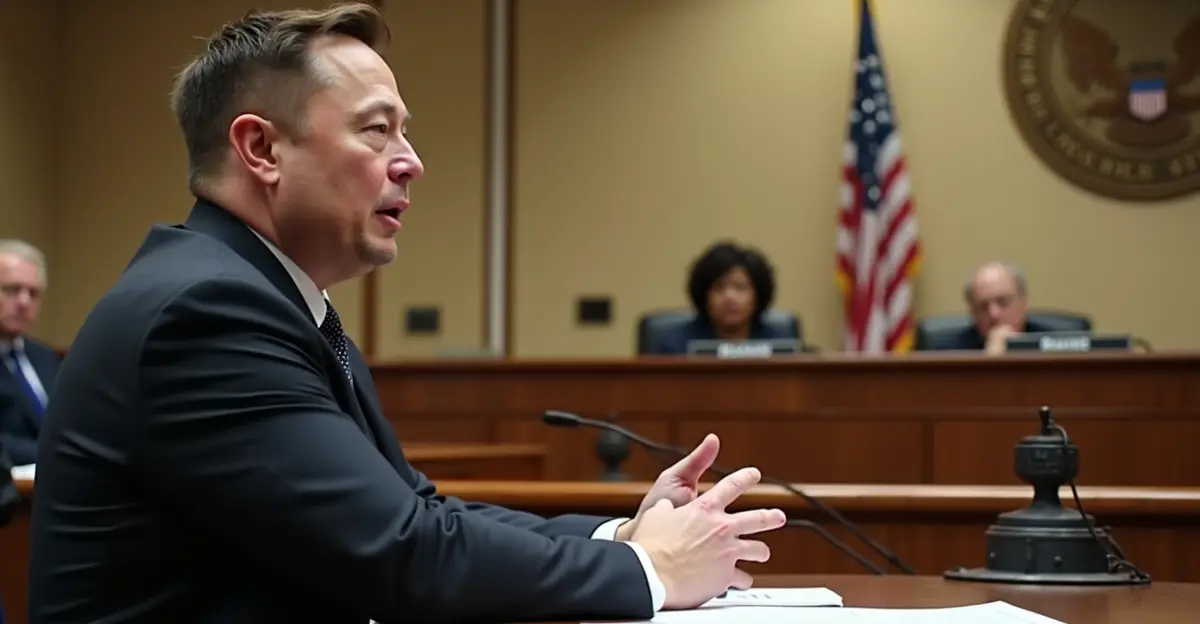
Musk testified for three days on the stand, asserting that he donated to OpenAI based on explicit promises that it would remain a nonprofit. His attorneys argue: "Without those essential promises, Musk would not have contributed to OpenAI." The complaint alleges that Altman knew or should have known that Musk's donations were for the original nonprofit purpose, "not to make investors richer."
Musk's damages expert estimates potential liability at up to $134 billion, representing the unjust enrichment gained by OpenAI, Altman, Brockman, and Microsoft through the for-profit conversion. Musk also seeks to void equity grants held by Altman and Brockman.
OpenAI's Defense: Musk Wanted Control
OpenAI counters that no hard agreements existed regarding Musk's donations and that Musk himself participated in early discussions about a for-profit structure. According to court filings, Musk sought majority control over the new for-profit entity and, when refused, attempted to make OpenAI part of Tesla. After those efforts failed, Musk left the board in February 2018 — six months before the for-profit subsidiary was created.
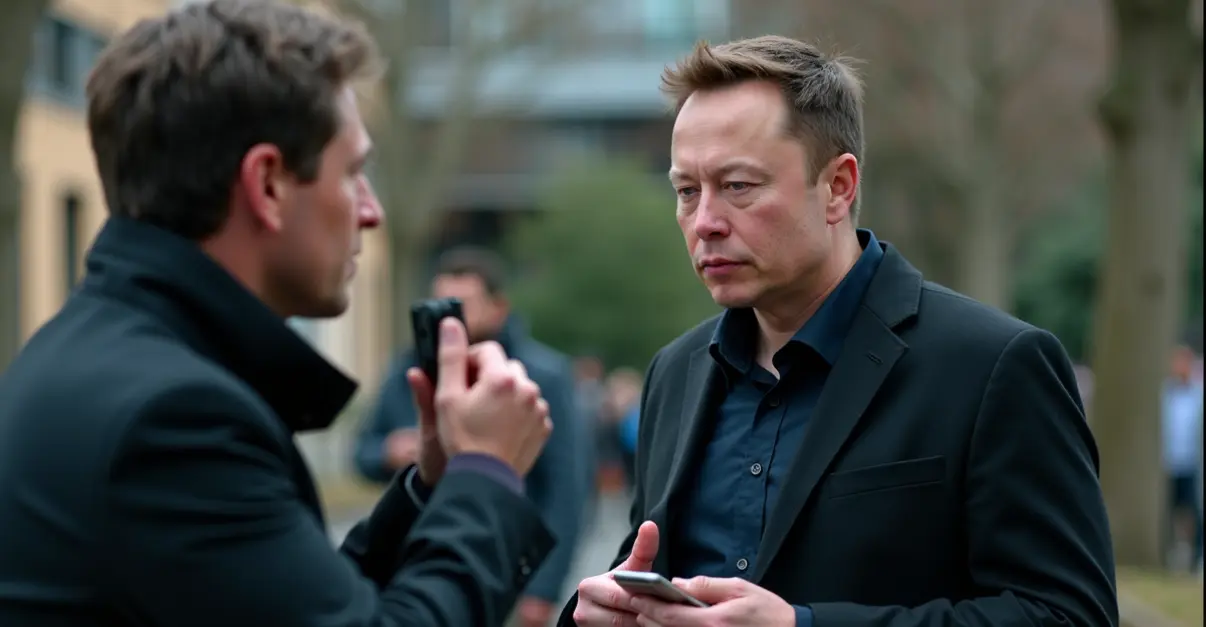
OpenAI's attorney William Savitt cross-examined Musk aggressively, eliciting an admission that Musk's AI company xAI "partly" used distillation techniques on OpenAI's models to train its Grok chatbot. Musk called this "standard practice" in the industry, but the admission could undermine his claims of unfair dealing. The AI model distillation controversy has become a major subplot in the case.
Microsoft's Role: $13 Billion Investor on Trial
Microsoft, named as a defendant alongside OpenAI, has invested over $13 billion since 2019 and provides Azure cloud computing for OpenAI's operations. The tech giant argues it was kept in the dark about OpenAI's original nonprofit commitments and that the statute of limitations bars Musk's claims. Internal emails from 2018, however, show Microsoft's then-CTO Kevin Scott questioning whether OpenAI donors knew about plans for a for-profit entity. The outcome could have significant implications for antitrust scrutiny of tech-AI partnerships.
What's at Stake for the AI Industry
The trial's outcome could reshape how AI companies structure themselves. If Judge Gonzalez Rogers rules in Musk's favor, it may force OpenAI to revert to nonprofit status — a move that would disrupt its $500 billion valuation and impact millions of users of ChatGPT, DALL-E, and Sora. Conversely, a ruling for OpenAI would validate the growing trend of AI labs transitioning to for-profit models to attract capital for compute-intensive research.
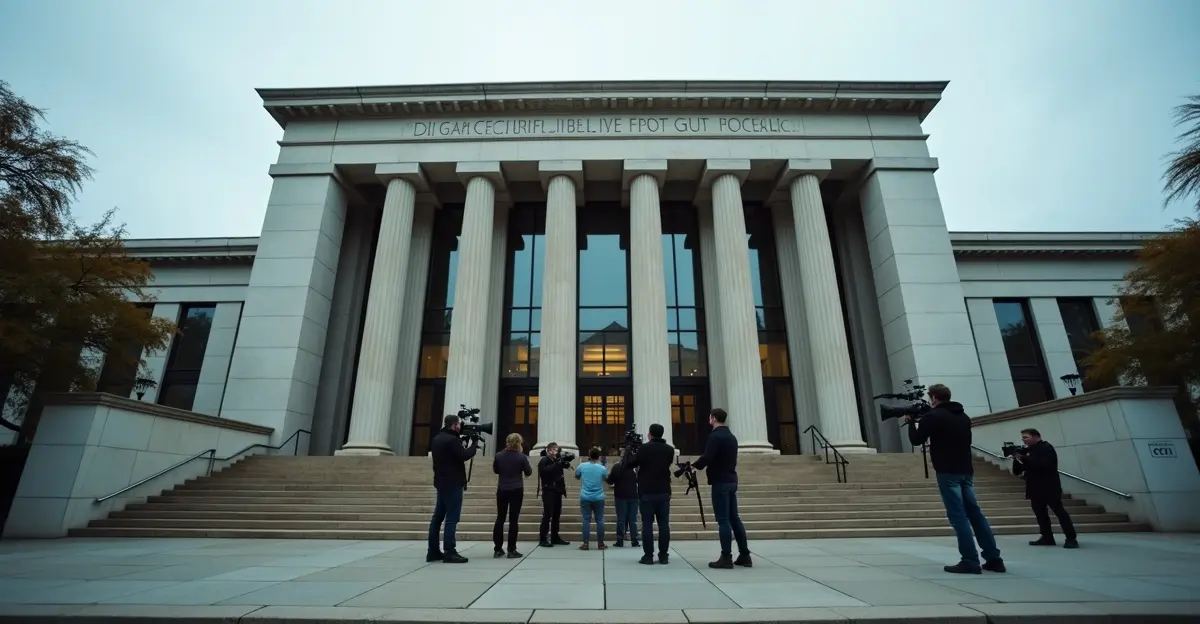
Protesters outside the Oakland courthouse have highlighted broader concerns: "Who benefits from AI?" Demonstrators have spoken out not only against Musk and Altman but against AI technology in general, questioning whether the benefits will flow to humanity or concentrate among a few tech billionaires. The AI ethics and regulation debate is playing out in real time as the trial unfolds.
"This case tests whether companies can fundamentally change their structure after accepting charitable donations," said legal analyst Sarah Chen. "It's a landmark moment for AI governance and nonprofit law."
FAQ: Musk vs Altman OpenAI Trial
What is Elon Musk suing Sam Altman for?
Musk is suing Altman for breach of charitable trust and unjust enrichment, alleging that OpenAI's conversion from a nonprofit to a for-profit company violated the promises made when Musk donated $38 million to found the organization.
How much money is Musk seeking in damages?
Musk's damages expert estimates the unjust enrichment at between $78 billion and $134 billion, though Musk has not specified a fixed amount. He also seeks the unwinding of OpenAI's for-profit structure and removal of Altman and Brockman from leadership.
When did OpenAI become a for-profit company?
OpenAI created a capped-profit subsidiary in 2019 and fully restructured as a public benefit corporation (PBC) in October 2025, valued at $500 billion.
Did Musk admit to using OpenAI's models for xAI?
Yes, under cross-examination, Musk testified that his AI company xAI "partly" used distillation techniques on OpenAI's models to train its Grok chatbot, calling it "standard practice" in the industry.
What happens if Musk wins the lawsuit?
If Musk prevails, the court could order OpenAI to revert to nonprofit status, require disgorgement of profits, and remove Altman and Brockman from their positions. The ruling could also set a precedent for how charitable donations to AI research are governed.

Follow Discussion