


 Deutsch
 English
 Español
 Français
 Nederlands
 Português


 Share
Share




Tragedy on the Scioto River: Five Dead in Failed Rescue Attempt
Five adults drowned in the Scioto River in Powell, Ohio, on the evening of July 19, 2026, after a chain of rescue attempts turned deadly. What began as a single swimmer in distress escalated into a mass drowning event that claimed the lives of two women and three men, according to the Delaware County Sheriff's Office. The incident has shocked the Columbus suburb and raised urgent questions about water safety and the dangers of river currents.
The tragedy unfolded around 9 p.m. when a group of five adults and two children—both under age 10—gathered near the Scioto River at Powell, approximately 20 miles north of Columbus. According to Sheriff Jeffrey Balzer, the group was enjoying a summer evening by the river, fishing and relaxing. One adult entered the water to swim but quickly began struggling. Two others jumped in to help, but they also encountered difficulties. Two more adults then entered the water in a further rescue attempt. All five ultimately drowned.
A motorist driving along a nearby road spotted one of the children running along the roadside, visibly distraught. The child told the motorist that his family was in the river, prompting a 911 call. Emergency responders arrived to find two women in the water; they were transported to local hospitals but were pronounced dead. The bodies of three men were recovered from the river the following day by specialized dive teams using drones and helicopters. The two children were placed in the care of family services.
Sheriff Balzer described the scene as "heartbreaking" and noted that the victims appeared to be two sets of parents and one additional adult. The identities of the deceased have not been released pending notification of next of kin. Authorities are investigating whether alcohol played a role in the incident, though no official determination has been made.
How the Tragedy Unfolded
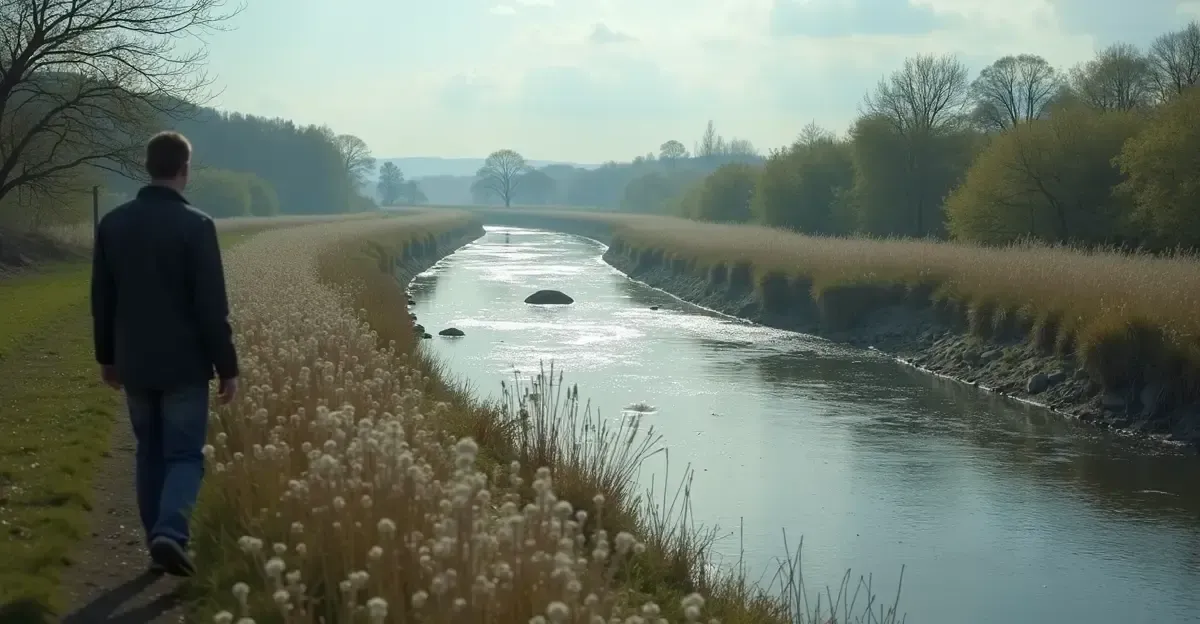
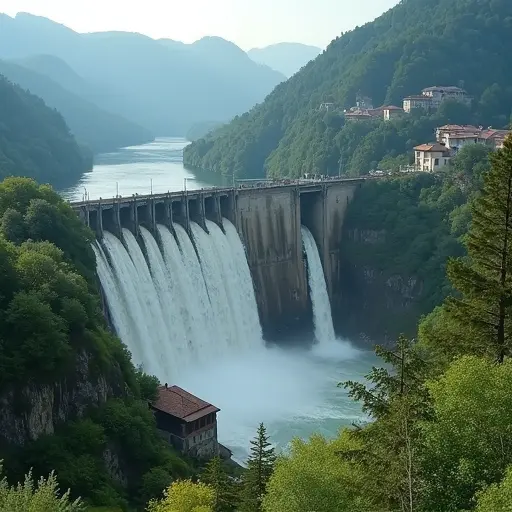
The sequence of events highlights the rapid escalation of water rescue attempts. According to the sheriff's office, the initial swimmer entered the water without a flotation device in an area known for unpredictable currents. The Scioto River, which flows through central Ohio, can have strong undertows and sudden drop-offs, especially near the O'Shaughnessy Dam reservoir area where the incident occurred.
"When someone is drowning, the instinct is to go in after them," said Sheriff Balzer at a press conference. "But without proper training and equipment, that instinct can lead to more tragedy. These were acts of heroism, but they ended in devastating loss."
The group did not have a boat or life jackets on site. The children, who remained on shore, were unable to communicate effectively due to a language barrier, further complicating the response. The incident underscores the importance of water safety measures, including wearing life vests and having rescue equipment readily available.
Dangers of River Swimming and Rescue Attempts
Rivers like the Scioto pose unique hazards compared to swimming pools or lakes. Hidden currents, underwater debris, and rapid changes in depth can overwhelm even strong swimmers. According to the Centers for Disease Control and Prevention (CDC), approximately 4,000 unintentional drowning deaths occur annually in the United States, with rivers accounting for a significant portion of incidents in natural water settings.
Water safety experts emphasize the "reach, throw, don't go" principle: instead of entering the water, bystanders should use a pole, rope, or flotation device to assist a struggling swimmer. Calling 911 immediately is critical. The dangers of river swimming are often underestimated, especially during summer months when more people seek relief from the heat.
"Rivers can be deceptive," said Dr. Emily Carter, a water safety researcher at Ohio State University. "The surface may look calm, but currents below can be powerful. Even strong swimmers can quickly become exhausted."
Community Response and Investigation
The Powell community has been deeply affected by the tragedy. Local officials have offered condolences and are providing support to the families involved. The Delaware County Sheriff's Office is leading the investigation, with assistance from the Ohio Department of Natural Resources and the U.S. Coast Guard.
Authorities are also reviewing whether any charges or citations may be issued, though no criminal activity is suspected. The focus remains on understanding the exact circumstances and preventing similar incidents. The water rescue safety guidelines issued by the American Red Cross recommend always swimming in designated areas with lifeguards and never swimming alone.
In response to the drownings, local leaders are considering increased signage and safety equipment along the Scioto River, as well as public awareness campaigns about the risks of river swimming. Similar to the 2025 drowning incidents in Ohio, this tragedy has reignited calls for better water safety education.
FAQ: Understanding Drowning Risks and Water Safety
What should you do if you see someone drowning?
Call 911 immediately. Do not enter the water unless you are a trained lifeguard. Instead, reach with a pole, throw a flotation device, or use a rope to pull the person to safety. Yell for help and keep visual contact with the victim.
Why do multiple people drown in rescue attempts?
Drowning victims often panic and can pull rescuers under. Strong currents, exhaustion, and lack of flotation devices compound the danger. This chain reaction is common in river drownings, where each rescuer becomes a victim.
What are the main dangers of swimming in rivers?
Rivers have hidden currents, underwater obstacles, sudden drop-offs, and cold water temperatures that can cause muscle cramps. Unlike pools, rivers have no lifeguards and unpredictable conditions.
How can you stay safe while swimming in natural waters?
Always wear a life jacket, swim in designated areas with lifeguards, never swim alone, and avoid alcohol. Learn CPR and basic water rescue techniques. Check local conditions before entering the water.
What resources are available for drowning prevention?
The CDC, American Red Cross, and local health departments offer water safety courses and guidelines. The CDC drowning prevention programs provide data and strategies for communities to reduce drowning deaths.


Follow Discussion