


 Deutsch
 English
 Español
 Français
 Nederlands
 Português


 Share
Share




Deadly Collision in the Adriatic Sea
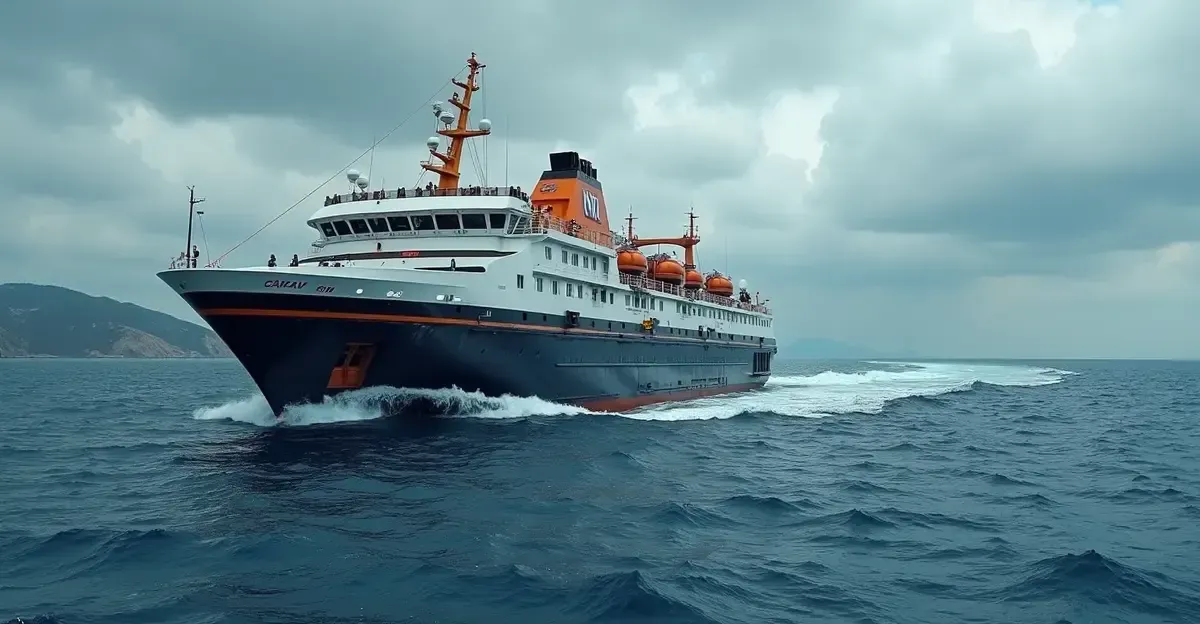
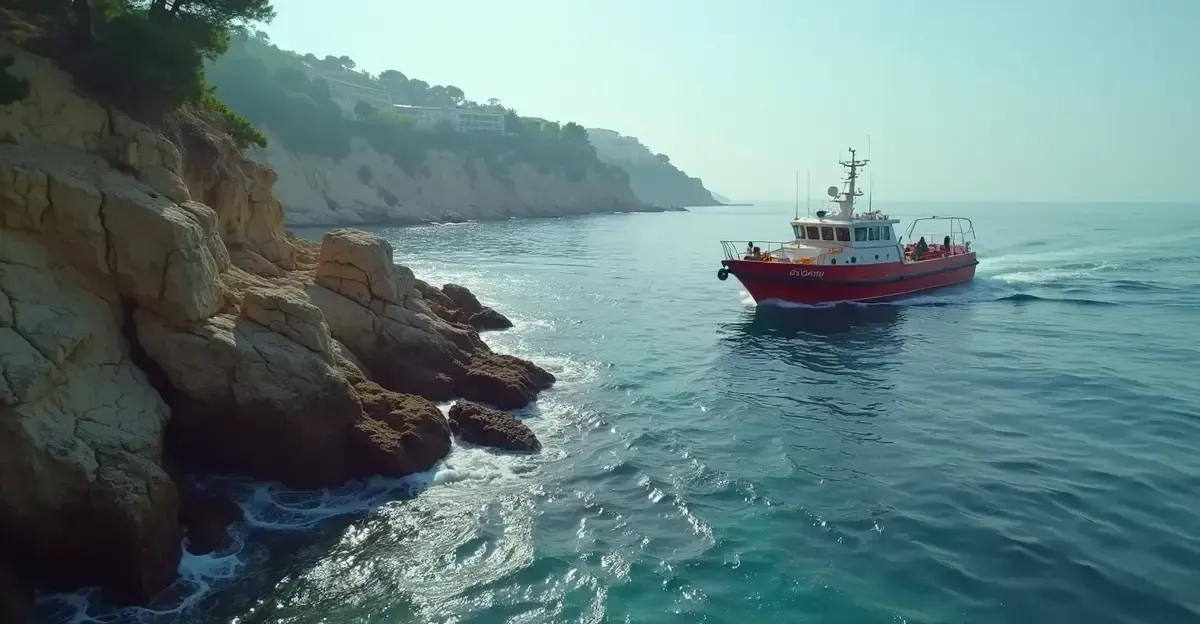
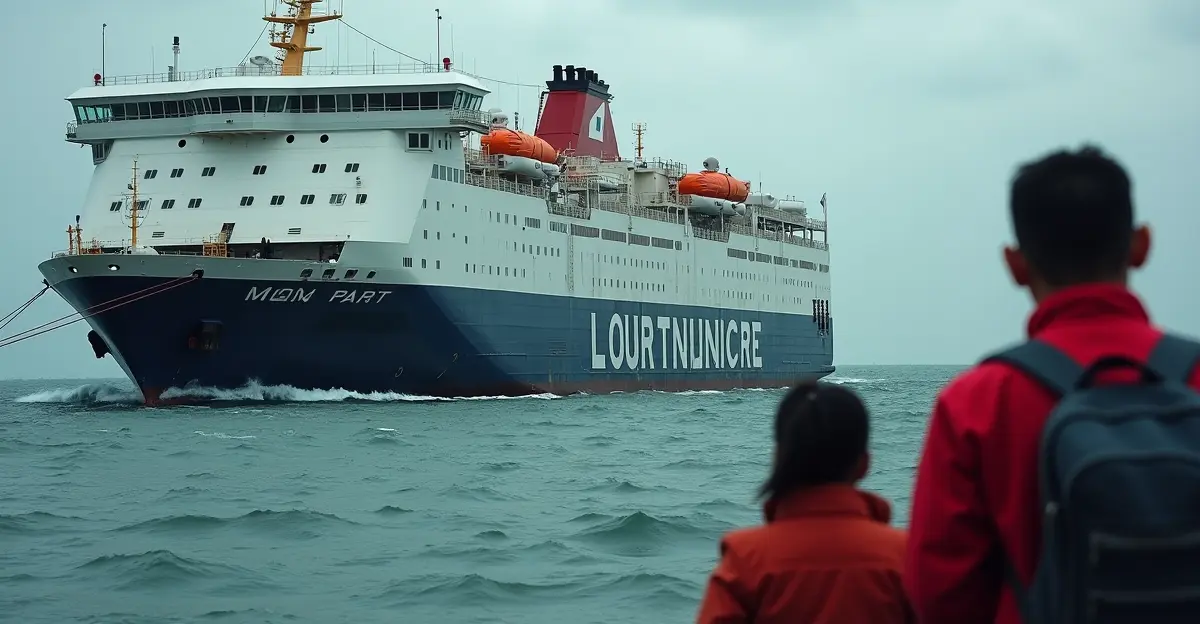
A catastrophic ferry and sailboat collision in Croatia has left at least three people dead and one person missing after a passenger catamaran struck a French-flagged sailing yacht near the island of Solta on June 14, 2026. The accident occurred at approximately 11:38 a.m. local time in the Splitska Vrata passage, a busy maritime corridor between the islands of Brac and Solta, roughly 15 kilometers from the coastal city of Split.
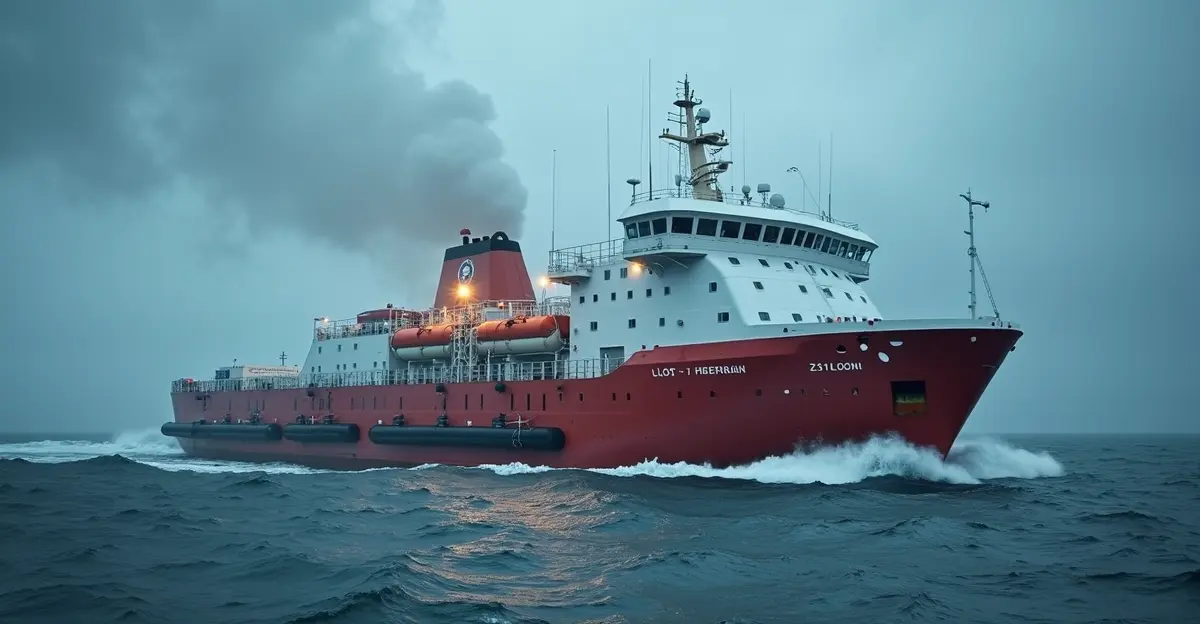
According to the Croatian Ministry of Maritime Affairs, Transport and Infrastructure, the sailing yacht, carrying eight Czech nationals, sank almost immediately after the impact. Four survivors were rescued from the Adriatic Sea and transported to a hospital in Split, where they were reported to be in stable condition with non-life-threatening injuries. The passenger catamaran, operated by a private Croatian company, was carrying 118 passengers and 7 crew members. No injuries were reported among those aboard the ferry.
This boat accident in Croatia has sent shockwaves through the country's tourism sector, which is currently in peak summer season. The incident highlights the growing risks associated with heavy maritime traffic in the Adriatic, where thousands of recreational vessels navigate alongside commercial ferries daily.
What Happened During the Croatia Boat Collision?
Eyewitness accounts paint a harrowing picture of the ferry sailboat crash in Croatia. A Flemish tourist aboard the catamaran told Belgian news outlet HLN that he heard a loud bang on the right front side of the vessel. "We only saw debris. Further away, people were floating in the water," the witness recounted. Video footage from the scene shows the two vessels moments before impact, with the catamaran appearing to strike the sailboat's port side at cruising speed.
Rescue operations were coordinated by the National Maritime Rescue Coordination Centre in Rijeka (MRCC Rijeka), deploying police boats, rescue vessels, a helicopter unit, and emergency medical teams. The search for the missing person continued through the afternoon, with divers and sonar equipment scanning the waters around the wreckage site. Similar to the 2025 Mediterranean migrant boat disaster, the response involved multiple agencies working against challenging sea conditions.
Victims and Nationalities
All three confirmed fatalities were passengers on the sailing yacht, which was registered under the French flag but crewed entirely by Czech nationals. The Czech Foreign Ministry confirmed the deaths, with spokesman Adam Corgo expressing condolences. "We have received the deeply tragic news that at least three Czech citizens have died in this collision," Corgo said. The Czech consul was dispatched to Split to assist survivors and liaise with Croatian authorities.
The missing person is also believed to be a Czech national. Four other Czech citizens survived and were receiving medical care. The catamaran's passengers, comprising mostly tourists from various European countries, were unharmed but deeply shaken by the ordeal.
Investigation Into the Croatia Maritime Accident
Croatian authorities have launched a formal investigation under the supervision of the Deputy County State Attorney, with assistance from maritime traffic experts and police officers. Investigators will examine several factors, including the speed of both vessels, adherence to navigation rules in the confined Splitska Vrata passage, and whether mechanical failure or human error played a role.
The ferry company canceled all remaining scheduled trips between Hvar and Split for the day, and maritime authorities have warned vessels to exercise extreme caution in the area while recovery operations are underway. Experts in maritime accident investigation suggest that the narrow channel between Brac and Solta is known for challenging navigation due to cross currents and heavy tourist traffic during summer months.
Impact on Croatian Nautical Tourism
Croatia's Adriatic coast is a premier destination for sailing and nautical tourism, attracting hundreds of thousands of visitors annually. The country's waters host over 100,000 registered vessels, and summer months see a dramatic increase in both commercial and recreational traffic. This Croatia boat tragedy raises serious questions about maritime safety protocols, particularly in high-traffic zones near popular islands like Hvar, Brac, and Solta.
The Croatian government has pledged a thorough investigation and potential review of navigation regulations in the Split archipelago. Tourism officials fear that the incident could dampen the country's reputation as a safe sailing destination, though they emphasize that such accidents are rare. The 2025 Croatia superyacht fire also prompted safety reforms, and this latest tragedy may accelerate further regulatory changes.
FAQ: Croatia Ferry and Sailboat Collision
How many people died in the Croatia boat collision?
At least three people were killed, all passengers on the sailing yacht. One person remains missing, and four others were rescued with injuries.
What caused the ferry and sailboat to collide?
The exact cause is under investigation. The collision occurred in the Splitska Vrata passage between the islands of Brac and Solta. Authorities are examining navigation data, crew communications, and weather conditions at the time of the accident.
Were the victims tourists?
Yes. All eight people on the sailing yacht were Czech nationals. The catamaran carried 118 passengers and 7 crew, mostly tourists, none of whom were injured.
Is the missing person still being searched for?
Yes. Croatian maritime rescue teams, including divers and helicopter units, continued search operations throughout June 14 and 15, 2026, but the missing individual had not been located as of the latest reports.
Has Croatia had similar maritime accidents before?
While major collisions are rare, Croatia's busy summer sailing season sees numerous smaller incidents. The country has experienced occasional ferry groundings and mechanical failures, but a fatal collision of this scale is uncommon.

Follow Discussion