


 Deutsch
 English
 Español
 Français
 Nederlands
 Português


 Share
Share




Frontal Train Collision in Denmark: Multiple Injured, Four in Critical Condition
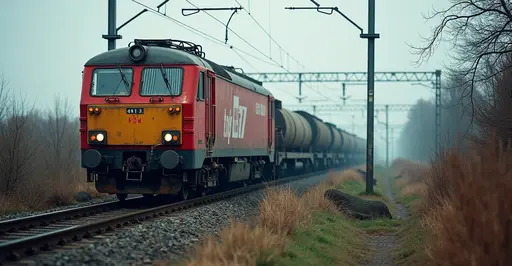
A serious Denmark train crash occurred early Thursday morning on the Gribskov railway line between Hillerød and Kagerup, north of Copenhagen. A frontal collision between two passenger trains left at least 17 people injured, with four in critical condition, according to local authorities and emergency services.
The incident took place on the Gribskovbanen, a single-track railway line that runs through the Gribskov forest. The line, which opened in sections between 1880 and 1924, is owned by Hovedstadens Lokalbaner and operated by Lokaltog. It connects Hillerød with the seaside towns of Tisvildeleje and Gilleleje and is largely single-track with passing loops.
Emergency Response and Casualties
Danish media, citing emergency services, reported that four people are in critical condition. The regional health authority Region Hovedstaden confirmed a total of 17 injured passengers, all of whom have been transported to nearby hospitals. Non-injured passengers were gathered at a collection point near the accident site.
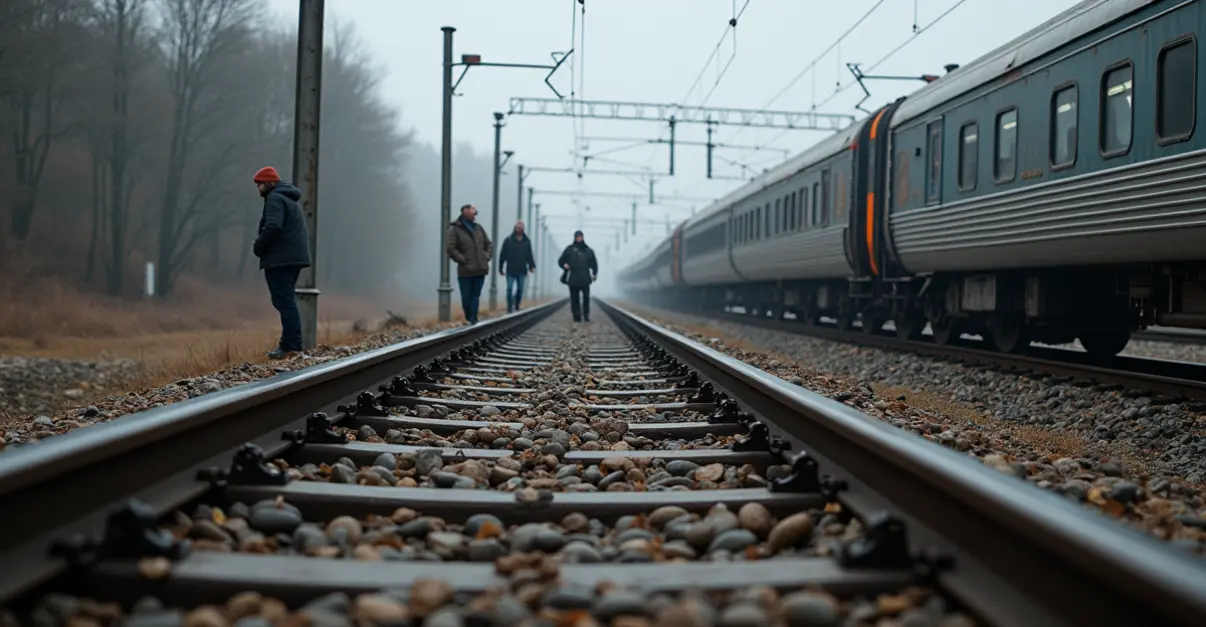
Police and multiple emergency services are massed at the scene between Hillerød and Kagerup. A military helicopter was deployed to evacuate the most seriously injured, according to a witness quoted by Ekstra Bladet. 'One of the military helicopters has just left here. It is one of the very large aircraft,' the witness said.
The road alongside the railway has been closed and is expected to remain closed for an extended period. Police urged motorists to respect the cordons. Technical investigations at the crash site are ongoing and are expected to take considerable time.
Single-Track Railway Challenges
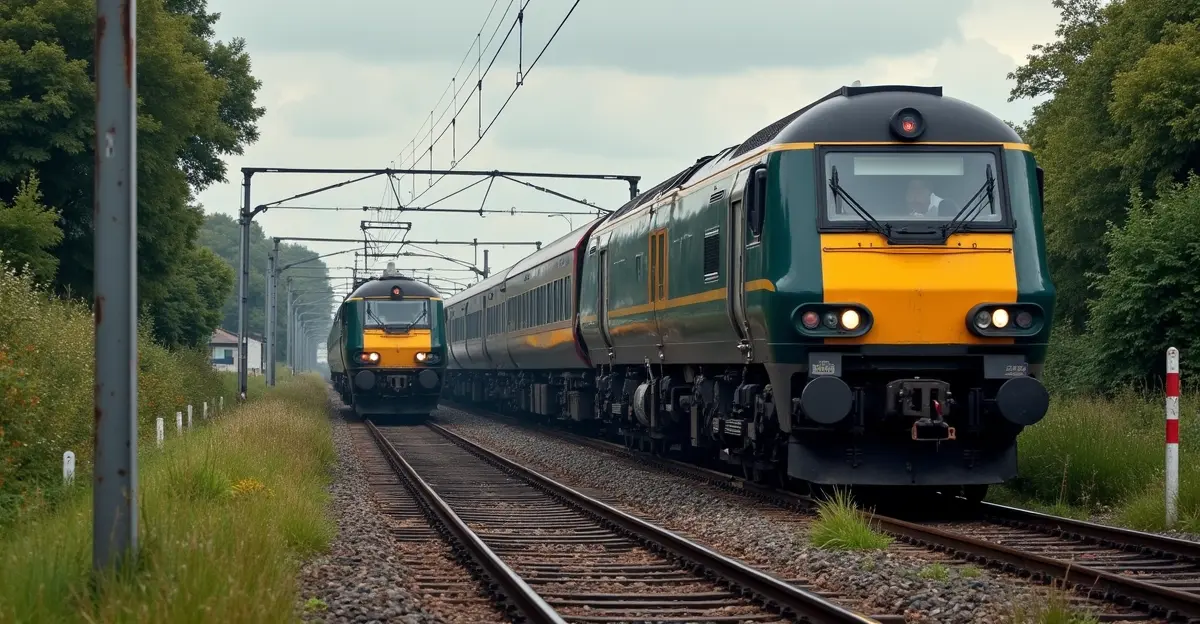
The Gribskovbanen, where the Denmark train crash occurred, is a single-track line with passing loops at certain stations. This type of railway requires careful coordination of train movements to avoid head-on collisions. Signaling systems and human error are typically the focus of investigations in such incidents. The line operates with light DMUs (diesel multiple units) at a 30-minute frequency most of the day, connecting with S-train services at Hillerød.
Similar to the 2023 Greece train collision, single-track operations pose inherent risks when communication or signaling fails. The European railway safety standards require robust systems to prevent such accidents, and the investigation will likely examine whether those standards were met.
Witness Accounts and Aftermath
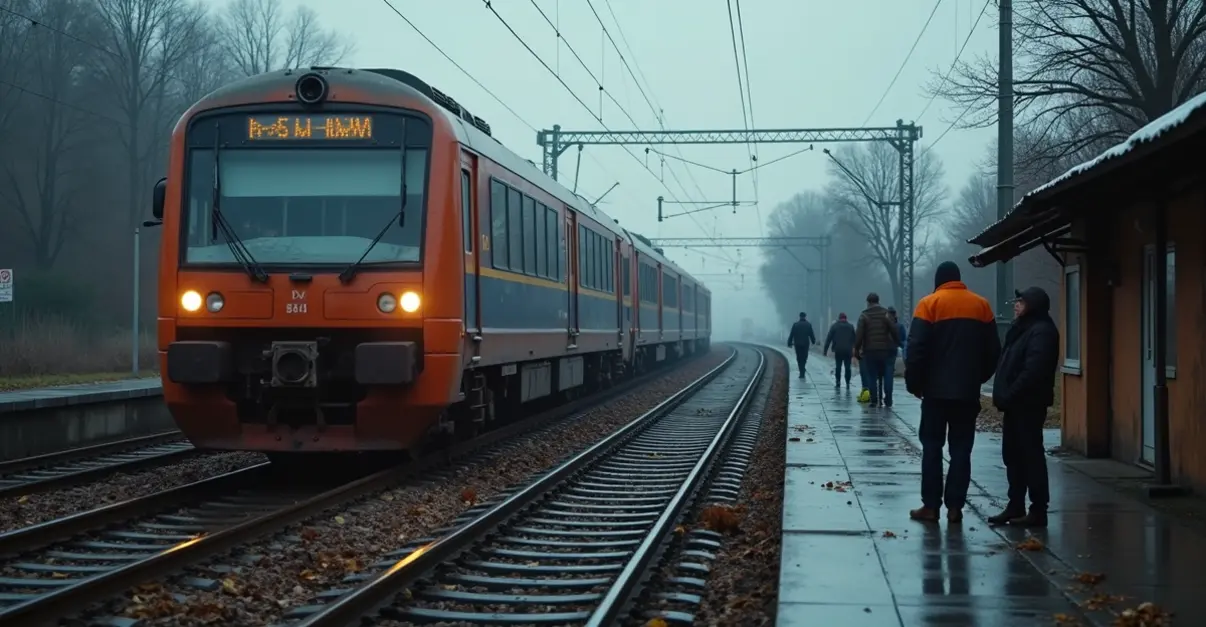
Passengers are being interviewed by police at the scene, while ambulances continue to transport the injured. Three doctor-staffed emergency vehicles and multiple ambulances were present, with several already having departed. The Danish public broadcaster DR reported that the Gribskovbanen is largely single-track, which may have contributed to the severity of the collision.
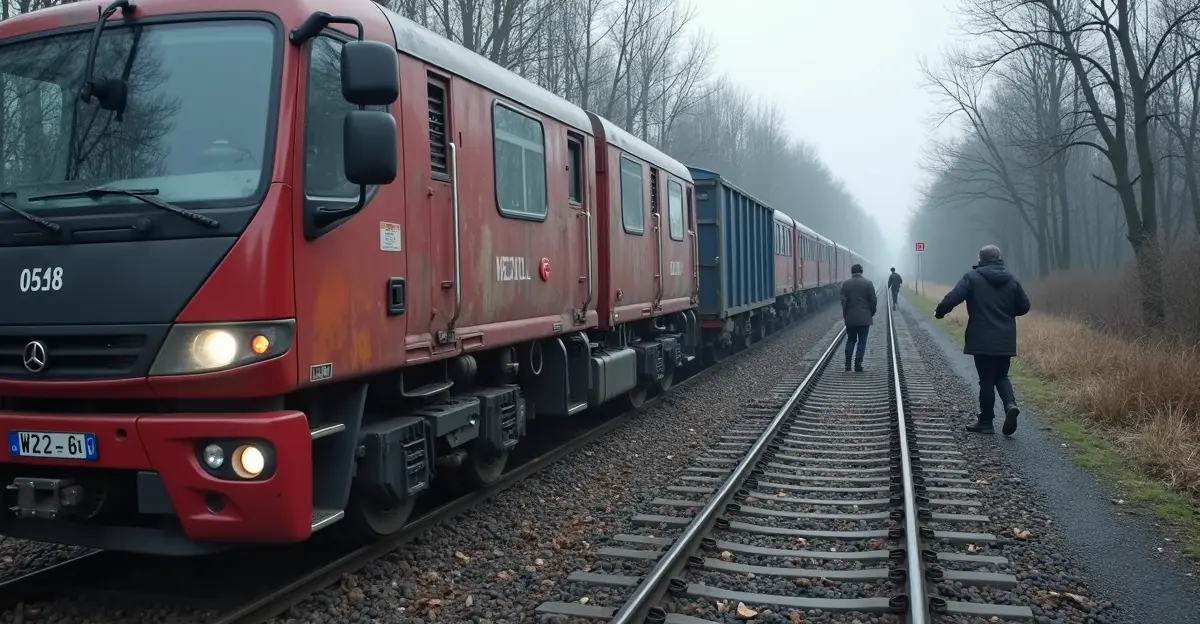
Images from the scene, captured by photographer Steven Knap for ANP, show extensive damage to the front ends of both trains. The wreckage is tangled, highlighting the force of the impact. Authorities have not yet released details on the cause or the identities of the victims.
Impact on Regional Rail Services
The accident has disrupted rail services across North Zealand. Lokaltog has suspended operations on the Gribskovbanen indefinitely. Passengers are advised to seek alternative transport. The line serves as a vital link for commuters and tourists traveling to the coastal resorts. The economic impact of rail disruptions can be significant, especially during the spring season when tourism begins to pick up.
The investigation will be led by Danish police and the Danish Accident Investigation Board (Havarikommissionen). They will examine the trains' data recorders, signaling systems, and crew actions. Similar rail accidents in Europe have led to calls for increased investment in double-tracking and modern signaling, such as ERTMS (European Rail Traffic Management System).
FAQ: Denmark Train Crash
What caused the Denmark train crash?
The cause is under investigation. The collision occurred on a single-track line, which may involve a signaling error or miscommunication. Authorities are examining all possibilities.
How many people were injured in the train collision?
At least 17 people were injured, with four in critical condition, according to Region Hovedstaden and Danish media.
Where did the train accident happen?
The crash occurred on the Gribskovbanen railway line between Hillerød and Kagerup, northwest of Copenhagen, Denmark.
Which railway company operates the Gribskovbanen?
The line is owned by Hovedstadens Lokalbaner and operated by Lokaltog, a Danish regional railway company.
Is the Gribskovbanen a single-track railway?
Yes, the line is predominantly single-track, with passing loops at stations. This design requires careful coordination to avoid head-on collisions.
Sources
Information for this article was sourced from NOS News, DR (Danish Broadcasting Corporation), Ekstra Bladet, Ritzau news agency, Region Hovedstaden, and Wikipedia.

Follow Discussion