Nederlands
 English
 Deutsch
 Français
 Español
 Português
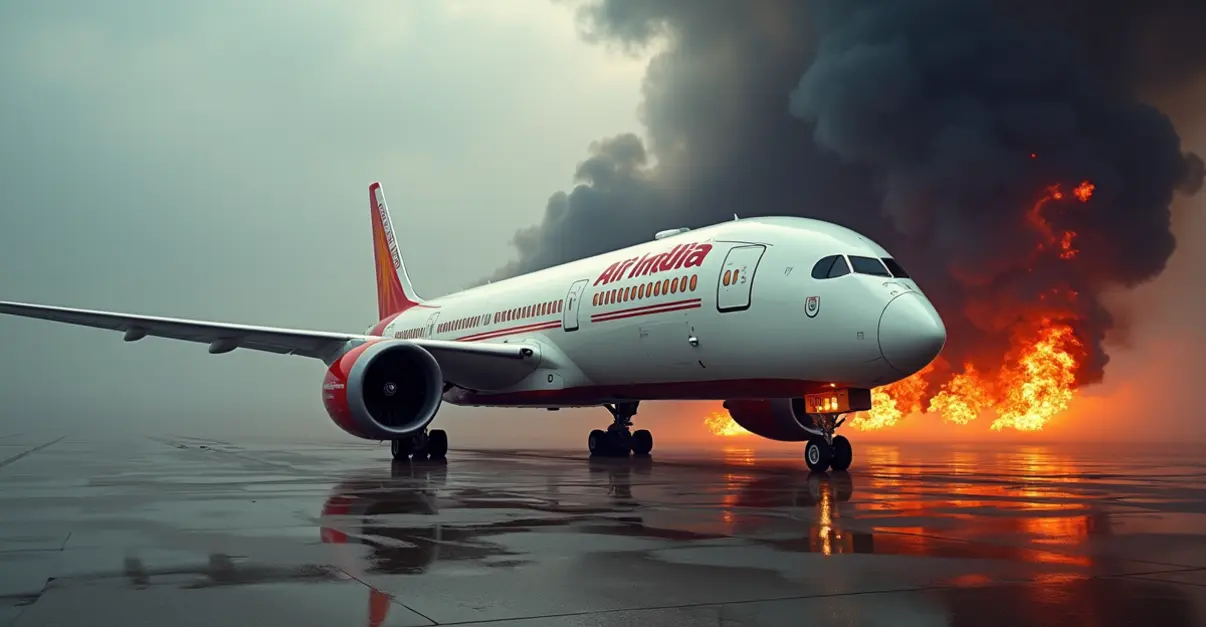





New Revelations About Fatal 2025 Air India Crash
A US-based aviation safety organization has made startling claims about the Boeing 787 Dreamliner that crashed in Ahmedabad, India in June 2025, killing 260 people. The Foundation for Aviation Safety alleges the aircraft had a history of safety defects dating back to its delivery in 2014, raising serious questions about maintenance practices and oversight.
Documented History of Problems
According to documents presented to the US Senate, the Air India Boeing 787-8 experienced what the group describes as 'a wide and confusing variety of engineering, manufacturing, quality, and maintenance problems' throughout its 11-year service life. The presentation, obtained by Aviation Herald, details multiple electrical system failures that plagued the aircraft.
Most notably, in January 2022, a fire broke out in the P100 power distribution panel during a descent into Frankfurt Airport. This critical component receives electricity from the engines and distributes it to various aircraft systems. The incident required complete panel replacement. Then in April 2022, the aircraft was temporarily grounded due to issues with the landing gear indication system.
The Tragic Crash
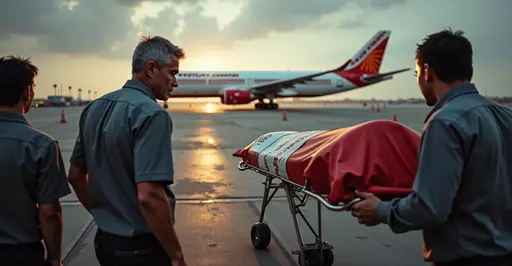
Flight AI171 crashed shortly after takeoff from Ahmedabad on June 12, 2025, en route to London. The disaster claimed 260 lives: 229 of 230 passengers, 12 cabin crew members, and 19 people on the ground. It was the first fatal crash involving a Boeing 787 Dreamliner since the aircraft entered service in 2011.
Preliminary findings from India's Aircraft Accident Investigation Bureau in July 2025 indicated that fuel control switches were moved to the cut-off position after takeoff. Cockpit recordings revealed one pilot asking another why he had shut off the fuel, with the response being 'I didn't do that' according to the official report.
Whistleblower Organization Raises Concerns
The Foundation for Aviation Safety was founded by Ed Pierson, a former Boeing senior manager who became a prominent whistleblower following the 737 MAX crashes. Pierson told the BBC that 'just like with the 737 MAX crashes, the pilots are being blamed' and suggested there appears to be 'a cover-up'.
The organization, which relies largely on donations, has examined approximately 2,000 problem reports from 787 aircraft in the US, Canada, and Australia. Their analysis reveals concerns about water leaks and other issues that could represent 'latent defects that could be overlooked for years' until a catastrophic event occurs.
Broader Safety Implications
While Boeing maintains that the 787 is a safe aircraft with a strong safety record prior to the Ahmedabad crash, the Foundation's findings suggest deeper systemic issues. Aviation experts and attorneys representing crash victims have told the BBC that important information appears to be missing from preliminary investigation conclusions.
The BBC reports that the group warns focusing solely on pilot actions may divert attention from underlying technical problems. Neither Boeing nor Air India has yet responded to the specific allegations raised in the Senate presentation.
As investigations continue, these revelations add another layer of complexity to understanding what caused one of aviation's deadliest crashes in recent years, while raising important questions about aircraft maintenance transparency and safety oversight in the global aviation industry.