


 Deutsch
 English
 Español
 Français
 Nederlands
 Português


 Share
Share




NATO ambassadors convened an emergency session on Wednesday, 12 August 2026, to address a dramatic escalation in Russian drones, cruise missiles, and hybrid attacks penetrating the airspace of at least six member states since the start of the war in Ukraine. The meeting, chaired by Deputy Secretary-General Radmila Sjekerinska in place of Mark Rutte, heard detailed reports from Poland and Romania on recent incursions – including a drone that struck a residential building in Galați, Romania, and a swarm of 21 drones that forced the closure of two Polish international airports in September 2025.
"We are no longer dealing with stray debris or one-off navigation errors. The pattern, frequency, and sophistication point to a deliberate grey-zone campaign aimed at testing our detection thresholds and political resolve without triggering Article 5," a senior alliance official told reporters on the sidelines of the meeting.
From Isolated Incidents to a Coordinated Campaign
A systematic review published earlier this year by Georgetown University professor Frederic Lemieux documented a 200% surge in Russian airspace violations against NATO in 2025 alone. The Russian hybrid warfare tactics jumped from six recorded incidents in 2024 to 18 in 2025, with at least two more already confirmed in the first half of 2026. More than half of all violations since February 2022 occurred in 2025, and the geographic footprint expanded from three to six allies: Poland, Romania, Estonia, Lithuania, Turkey, and France.
What most worries military planners is the increasing severity. A Russian Orlan-10 reconnaissance drone penetrated nearly 100 km into Polish territory undetected for 30 minutes before crashing. MiG-31 fighter jets flew over Estonian airspace with transponders switched off. A swarm of 21 unmanned aerial vehicles forced the shutdown of Rzeszów and Kraków airports, disrupting civilian aviation and military logistics. Suspected Russian drones were shot down over France’s Île Longue nuclear submarine base – a clear probing of critical national infrastructure.
The Leipzig Airport Drone Bomb
The most alarming incident occurred on 4–5 August 2026, when an explosive-laden FPV drone carrying approximately 800 grams of Semtex struck the wing of a Ukrainian Antonov An-124 cargo aircraft at Leipzig/Halle Airport – a key NATO hub for shipping weapons to Ukraine. The device failed to detonate, but a second drone collided with a DHL Boeing 757 during a go-around the following day, forcing the aircraft to divert to Hannover. US intelligence sources assessed that Russian intelligence was responsible, and German Interior Minister Alexander Dobrindt described it as "a professional hybrid-warfare attack on our logistical supply chain."
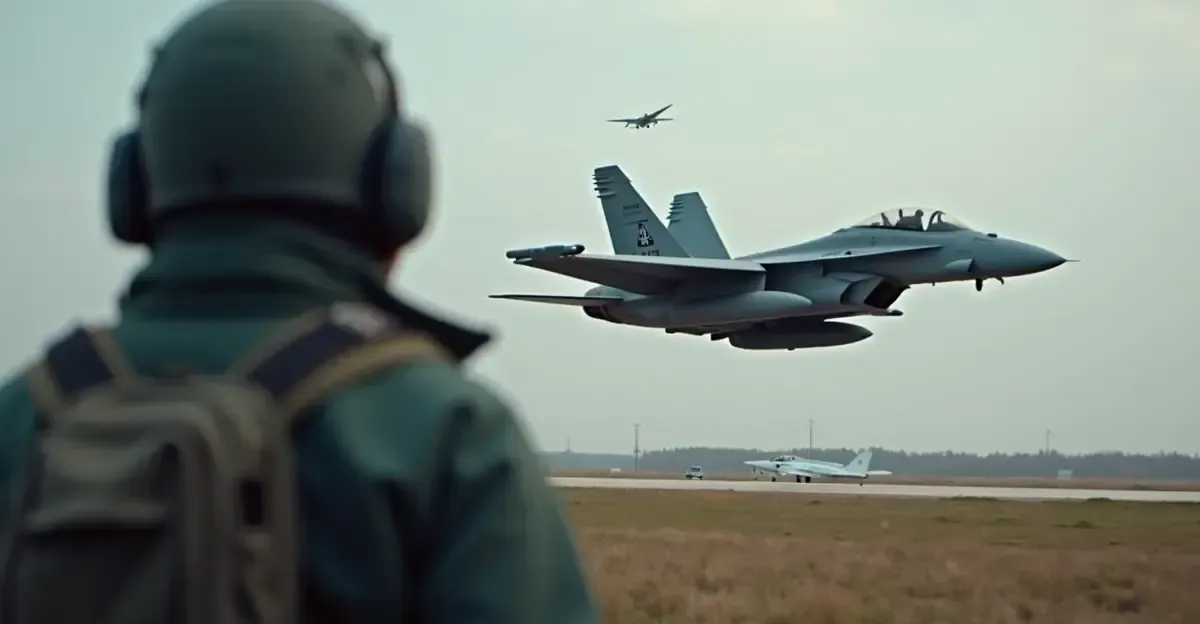
This NATO air policing mission expansion is now seen as urgent, with allies scrambling to deploy additional counter-drone systems and integrated air and missile defence (IAMD) assets to the eastern flank.
Romania and Poland: The Frontline States
Romania has experienced at least 33 violations since 2023, more than any other ally, according to NATO internal tracking. The most serious was a Russian drone that crashed into an apartment block in Galați, Romania's eighth-largest city, injuring two civilians. On three consecutive days in late July 2026, Romanian air defence units shot down intruding Russian drones near the Danube Delta, where the proximity of Ukrainian ports targeted by Russian strikes makes incursions almost routine.
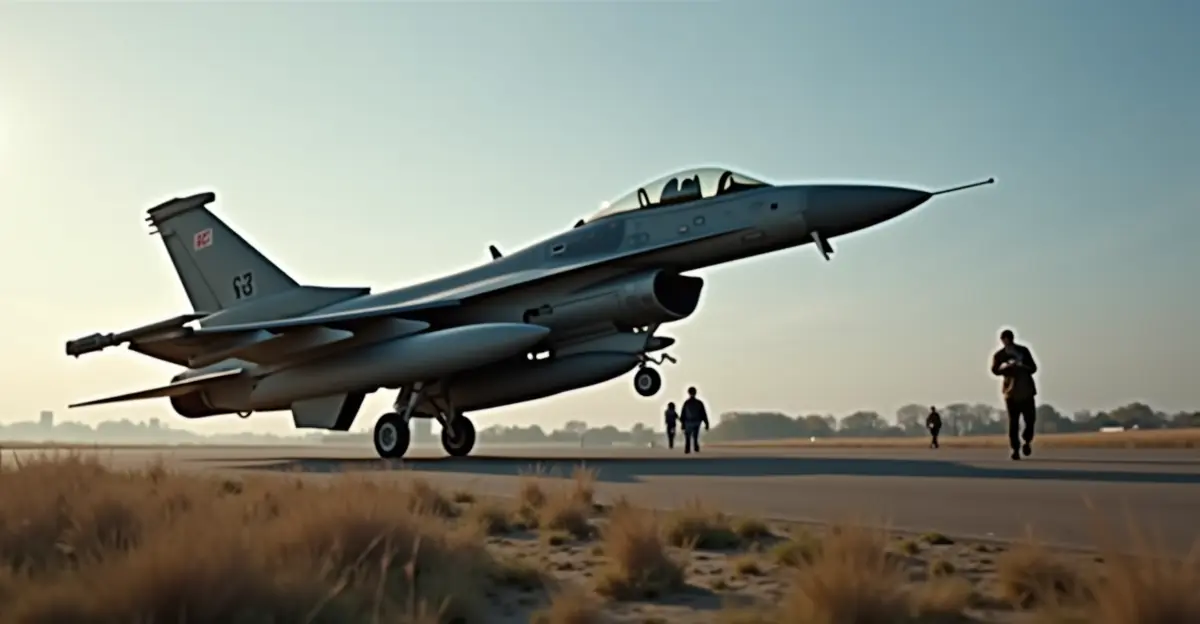
Poland invoked NATO Article 4 for the first time since the war began after a Russian Kh-101 cruise missile violated its airspace on 30 July 2026 and crashed near Tarnawa-Kolonia. Warsaw scrambled F-16s and helicopters; Prime Minister Donald Tusk confirmed he was in contact with NATO leadership. "This is no longer a theoretical risk – Russian projectiles are landing on our soil with increasing regularity," a Polish defence ministry spokesman said.
The Oekraïense 'Afzwaaier' Problem
Complicating the picture, Ukrainian air-defence drones have also strayed into NATO territory on several occasions, their control links allegedly jammed by Russian electronic warfare. Bulgaria, which is less sympathetic to Kyiv, plans to raise the issue at the NATO session, arguing that both sides' ordnance poses a risk. Western officials, however, suspect that Russia deliberately redirects jammed Ukrainian drones toward friendly countries to sow discord.
Implications for Alliance Cohesion and Deterrence
The accelerating tempo of violations is straining NATO's consensus-based decision-making. While Poland and the Baltic states demand a robust response – including forward-deployed air defence and rules of engagement allowing for the destruction of intruding objects even before they cross the border – other allies urge caution, fearing that escalation could spiral out of control.
US intelligence assessments, reported by CNN on 7 August 2026, indicate that Vladimir Putin may launch a limited attack on a NATO ally within the next few years to test alliance unity. The scenarios range from cyberattacks on critical infrastructure to a small-scale land incursion in the Suwałki Gap. The Suwałki Gap vulnerability – the narrow corridor between Belarus and Kaliningrad – remains a flashpoint that analysts believe Russia could exploit to divide the alliance.
NATO’s Integrated Air and Missile Defence (IAMD) architecture, designed primarily for high-intensity conventional war, is struggling to cope with the low-and-slow threat posed by small drones. The alliance has accelerated procurement of counter-UAS systems, but many allies lack sufficient stockpiles after two years of transferring equipment to Ukraine.
FAQ: Russian Airspace Violations and NATO’s Response
How many times has Russia violated NATO airspace?
Researchers have documented 33 Russian airspace violations against NATO members between February 2022 and mid-2026, with 18 occurring in 2025 alone – a 200% increase over 2024. The actual number is likely higher, as many drone fragments are discovered days or weeks later by civilians or border patrols.
What does NATO do when a Russian drone or missile enters its airspace?
NATO scrambles Quick Reaction Alert (QRA) fighter jets to intercept and identify the intruder. Depending on the rules of engagement in force, the object may be shot down if it poses an imminent threat. The alliance also files diplomatic protests and may invoke Article 4 consultations if a member state feels its territorial integrity is threatened.
Has NATO ever shot down a Russian aircraft?
NATO has not shot down a manned Russian military aircraft over allied territory since the Cold War, but several Russian drones have been downed by Romanian, Polish, and Turkish air defences since 2024. The alliance has carefully calibrated its responses to avoid triggering a direct confrontation with Moscow.
What is the Leipzig airport drone attack?
On 4–5 August 2026, an explosive-laden FPV drone struck a Ukrainian cargo plane at Leipzig/Halle Airport, a major logistics hub for military aid to Ukraine. The bomb failed to detonate. US intelligence attributed the operation to Russia’s GRU military intelligence agency. A second drone collided with a DHL cargo jet the following day.
Is NATO considering shooting down Russian missiles before they enter its airspace?
Several frontline allies, including Poland and Romania, have proposed pre-emptive engagement rules that would allow NATO forces to destroy hostile projectiles in Ukrainian airspace before they cross the border. The proposal is under discussion but faces legal and political hurdles, as it would effectively make NATO a direct participant in the conflict.




Follow Discussion