


 Deutsch
 English
 Español
 Français
 Nederlands
 Português


 Share
Share




What is Happening with Gulf Air Travel in March 2026?
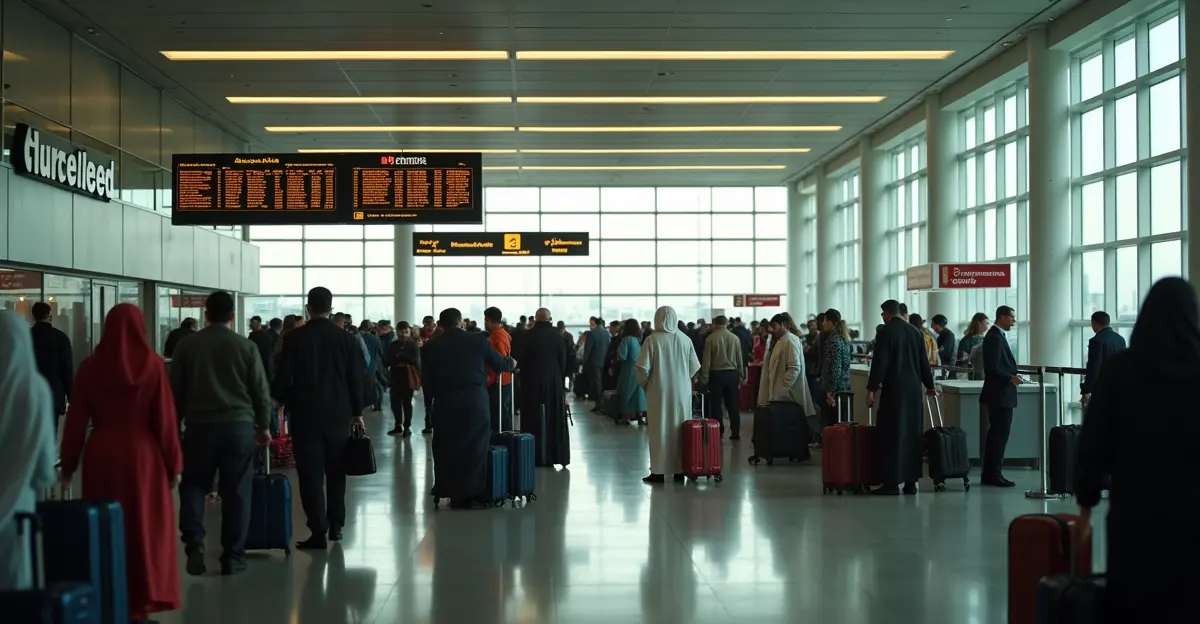
Limited commercial flight operations have cautiously resumed from major Gulf aviation hubs as of March 6, 2026, offering a glimmer of hope for thousands of stranded travelers caught in the escalating conflict between Iran, the United States, and Israel. Dubai International Airport, normally the world's busiest airport for international passenger traffic, is currently operating at just 25% of its regular capacity, with Emirates airline planning to increase flights to more than half of its originally scheduled services starting March 7. This partial reopening comes after days of complete airspace closures that stranded over 1 million passengers across the Middle East region, including thousands of Dutch citizens who remain trapped in the Gulf.
Current Flight Operations and Airline Updates
Major Gulf carriers are implementing carefully controlled flight schedules amid ongoing security concerns. Emirates, based at Dubai International Airport, transported 30,000 passengers on March 5 and plans to operate flights to 82 destinations including London, Sydney, Singapore, and New York. The airline's daily flight to Amsterdam's Schiphol Airport is among those scheduled to resume. Meanwhile, Etihad Airways from Abu Dhabi is implementing a 'limited flight schedule' to 25 key destinations through March 19, including services to Amsterdam.
Regional Airspace Restrictions and Security Concerns
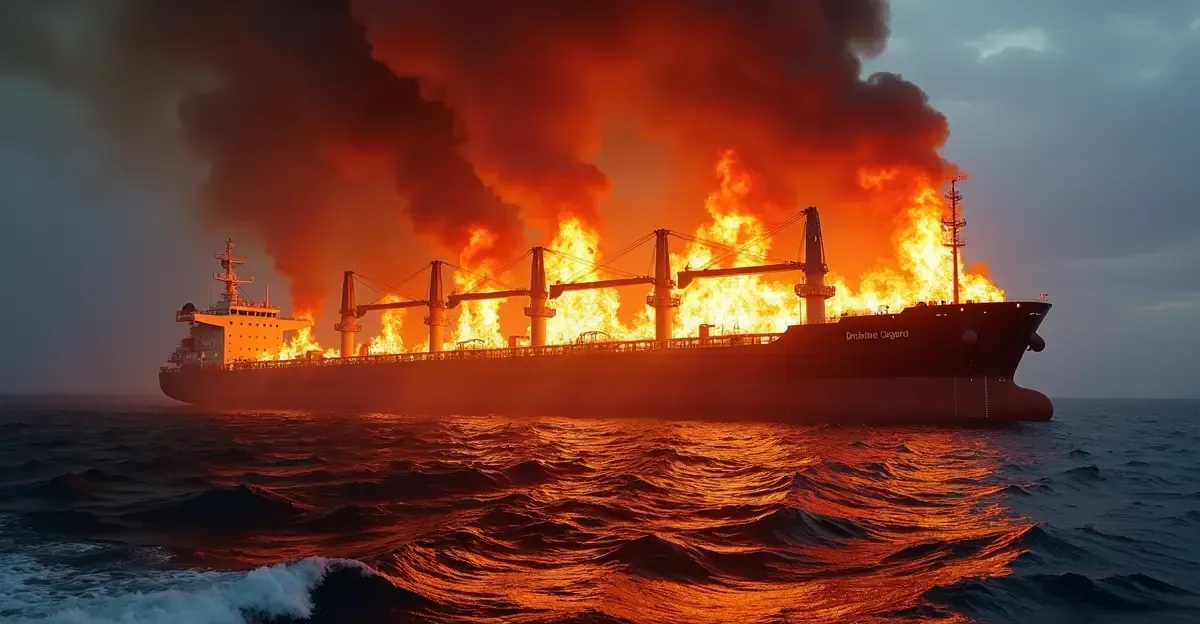
The United Arab Emirates Ministry of Defense reported intercepting 109 drones and nine ballistic missiles on March 6 alone, highlighting the persistent security threats that continue to disrupt air travel. A Lufthansa flight to Riyadh, Saudi Arabia was forced to divert to Egypt today, while a French repatriation flight to the UAE had to turn back yesterday due to rocket attacks in the area. 'The unaccomplished return of the Air France aircraft shows the instability in the region and the complexity of the repatriation operation,' wrote French Transport Minister on social media platform X.
Evacuation Efforts for Stranded Travelers
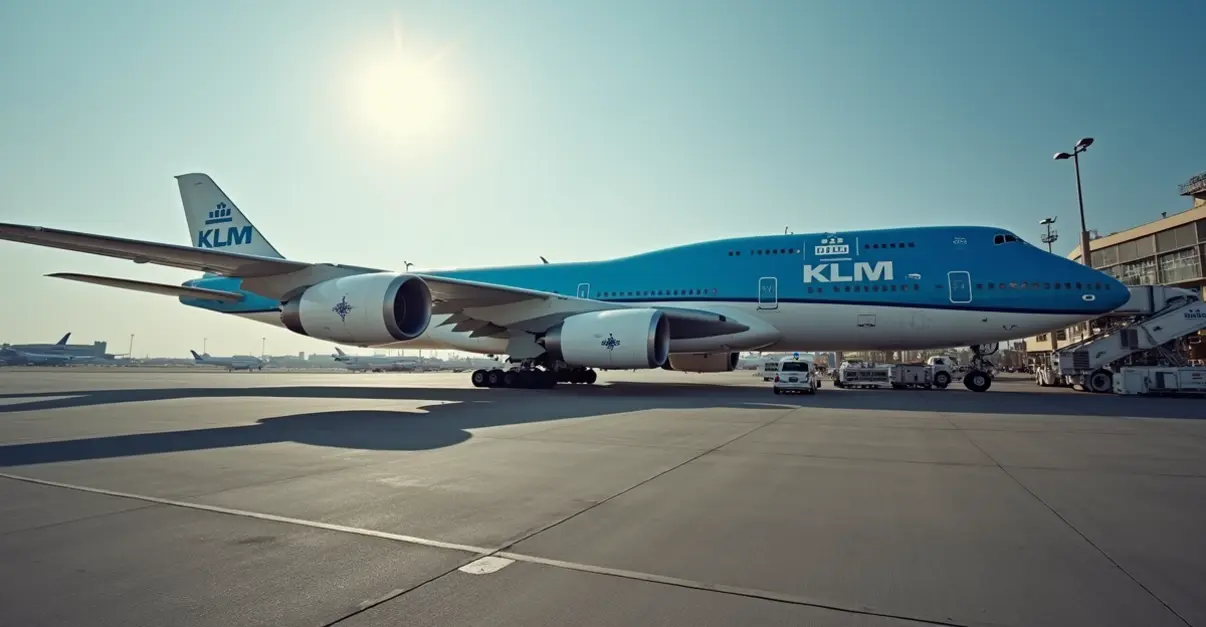
European governments are mounting complex evacuation operations to extract their citizens from the volatile region. The Dutch government, in cooperation with KLM, has established special repatriation flights from Muscat, Oman to Amsterdam, with passengers required to pay a €600 contribution per person. Two evacuation flights departed for Amsterdam today from Oman and Egypt, with another scheduled from Muscat to Schiphol on March 7. Similar to the European Union evacuation coordination efforts, Belgium is planning evacuation flights to Oman on Saturday.
Financial Impact and Traveler Challenges
The conflict has created severe financial pressures across the aviation sector. Jet fuel prices have soared to record highs of $225 per barrel, while airline stocks across Asia-Pacific have fallen significantly. Passengers attempting to return independently face exorbitant costs, with some paying thousands for commercial flights via alternative routes through Oman or Riyad. The demand for private jets has surged dramatically, though operators report that the largely closed airspace makes even private evacuations challenging from locations like Dubai and Oman.
What Travelers Need to Know: Practical Guidance
For those currently stranded or considering travel to the region, several key points are essential:
- Check Airline Updates Frequently: Flight schedules remain highly volatile and subject to immediate cancellation based on security assessments
- Register with Government Services: Dutch nationals should register through the Crisis Contact Form for potential evacuation flight eligibility
- Prepare for High Costs: Commercial flights via alternative routes are extremely expensive, with limited availability
- Monitor Security Advisories: The U.S. State Department has urged citizens to evacuate from Iran, Israel, and 13 other Middle Eastern countries
- Understand Insurance Limitations: Most travel insurance policies exclude war-related disruptions, though some 'cancel for any reason' policies may offer limited coverage
Regional Impact and Economic Consequences
The aviation disruption has far-reaching economic implications beyond immediate travel inconveniences. Dubai International Airport, which handled over 92 million passengers in 2024 and indirectly supported over 400,000 jobs contributing $26.7 billion to Dubai's economy, faces unprecedented operational challenges. The broader Middle East region has seen over 25,000 flights cancelled out of 44,000 scheduled from February 28 to March 5, representing a 57% cancellation rate that dwarfs previous regional disruptions. This situation mirrors the global supply chain disruptions seen during previous geopolitical crises, with ripple effects expected across global logistics and tourism sectors.
Frequently Asked Questions (FAQ)
When will normal flight operations resume in the Gulf region?
There is no definitive timeline for full resumption of normal operations. Airlines emphasize that flights will only depart when security conditions permit, and the current limited schedules could be suspended at any moment based on missile threats.
How many Dutch citizens are currently stranded in the Gulf region?
Thousands of Dutch nationals remain trapped across the Gulf, with specific numbers difficult to determine due to the fluid situation. The Dutch government is prioritizing evacuation flights for those registered through official channels.
What airports in the region are currently operational?
Dubai International Airport is partially open (25% capacity), Abu Dhabi International Airport has limited operations, while Doha's Hamad International Airport in Qatar remains completely closed. Muscat, Oman has become a key evacuation hub for European governments.
Are commercial airlines offering refunds for cancelled flights?
Most airlines are offering rebooking options rather than refunds, though policies vary by carrier. Passengers should check directly with their airline for specific compensation and rebooking options.
How safe is air travel in the region currently?
Significant risks remain, as demonstrated by today's intercepted drones and missiles. Airlines are conducting rigorous security assessments before each departure, but the situation remains highly volatile and unpredictable.



Follow Discussion