


 Deutsch
 English
 Español
 Français
 Nederlands
 Português


 Share
Share




TUI CEO: Repatriating Stranded Travelers Will Take Several Days
The world's largest travel company, TUI Group, faces a massive logistical challenge as it works to repatriate hundreds of stranded travelers from the Middle East following widespread airspace closures due to escalating regional conflicts. TUI CEO Sebastian Ebel has confirmed that bringing customers home will take 'several days' as the company coordinates with partner airlines Emirates, Qatar Airways, and Etihad to execute emergency evacuation flights. The crisis stems from retaliatory attacks between Iran, Israel, and the United States that have effectively shut down key aviation corridors across the region, stranding an estimated 30,000 German tourists alone, with approximately 300 Dutch travelers affected through TUI's Netherlands division.
What is the Middle East Travel Crisis?
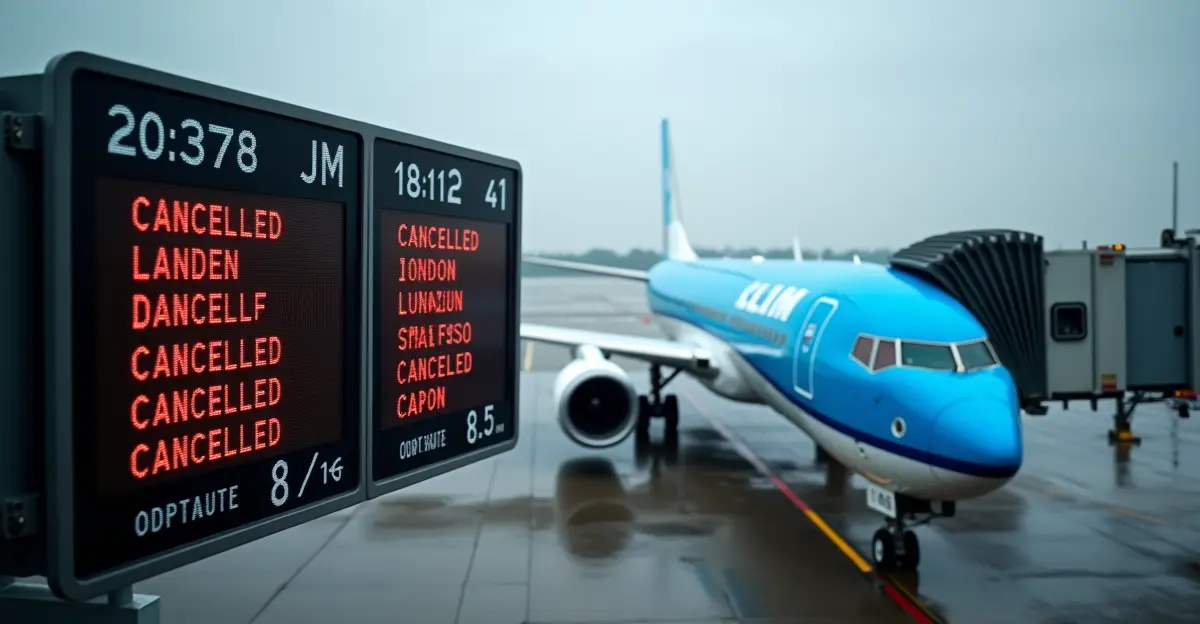
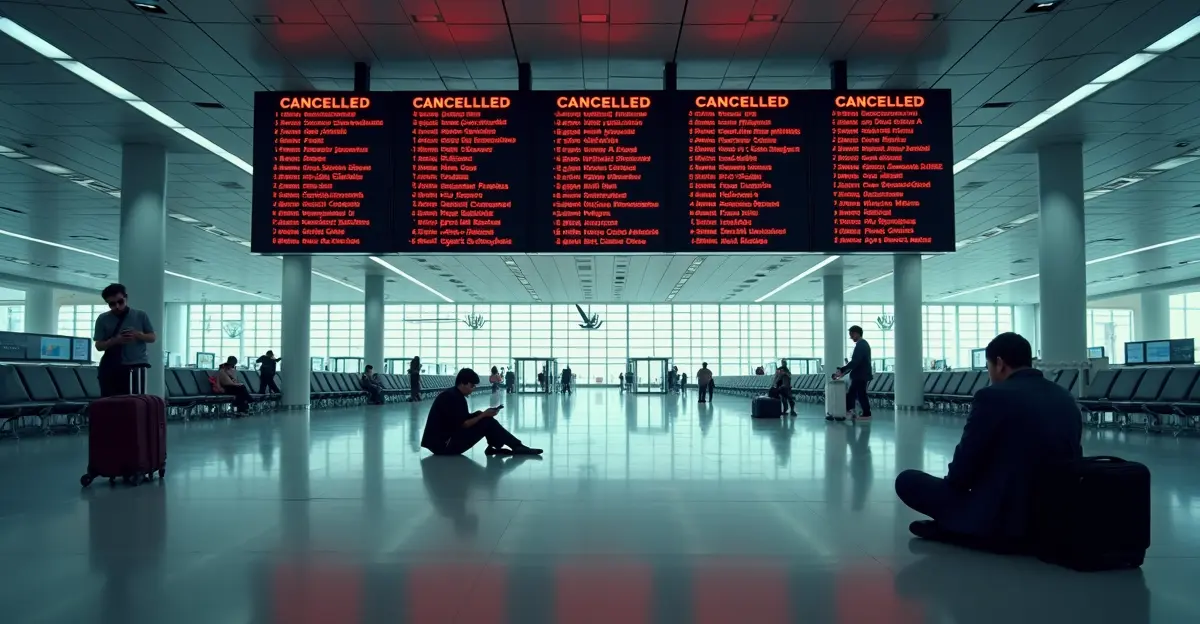
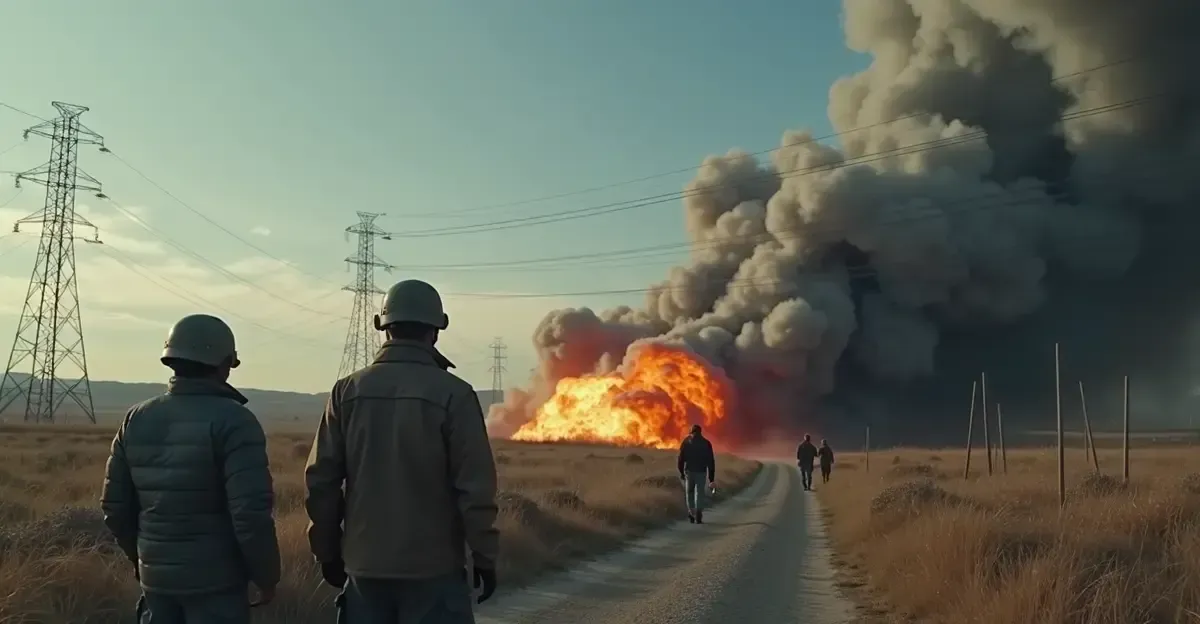
The current Middle East travel crisis represents one of the most significant aviation disruptions in recent history, triggered by military escalations that began with U.S. and Israeli strikes on Iran followed by retaliatory attacks. This has resulted in airspace closures across multiple countries including Israel, Qatar, Syria, Iran, Iraq, Kuwait, Bahrain, and the United Arab Emirates. Major airports in Dubai, Abu Dhabi, and Doha have suspended operations, with over 3,400 flights cancelled across seven key Middle Eastern airports. The situation has created what aviation experts describe as a 'hole in the sky' over crucial aviation crossroads, forcing airlines to reroute flights through alternative paths that increase flight times by hours and significantly raise fuel costs.
TUI's Emergency Repatriation Plan
TUI has activated its emergency response protocol, with CEO Sebastian Ebel outlining a multi-phase approach to bring stranded travelers home safely. The plan involves three key components:
- Partner Airline Collaboration: TUI is working with major Middle Eastern carriers including Emirates, Qatar Airways, and Etihad Airways to secure seats on available flights. These airlines have extended rebooking windows through March 2026 to accommodate stranded passengers.
- Staged Evacuation: Initial flights are focusing on bringing travelers to Munich, Germany, with subsequent operations planned for other European destinations. TUI's own airline, TUI Fly, has aircraft on standby pending flight approvals and security clearances.
- Safety-First Approach: Ebel emphasized that the repatriation pace depends entirely on the security situation, which remains 'difficult to predict.' The company is prioritizing passenger safety over speed, with operations proceeding only when airspace conditions permit.
Impact on Dutch Travelers
Through TUI's Netherlands division, approximately 300 Dutch travelers are currently stranded, primarily in Dubai. A TUI spokesperson confirmed that Ebel's statements apply to the entire concern, including Dutch operations. The Dutch travelers face similar challenges as their German counterparts, with limited flight options and uncertain timelines for return. The situation mirrors broader European travel disruptions affecting thousands of citizens across multiple countries.
Broader Regional Impact
The Middle East aviation crisis extends far beyond TUI's operations, affecting global travel patterns and economic indicators. Key statistics reveal the scale of disruption:
- Flight Cancellations: Over 3,400 flights cancelled across seven major Middle Eastern airports
- Economic Impact: Stock markets have declined significantly, with the Dow dropping 800 points and oil prices surging 16% due to war concerns
- Global Stranding: Hundreds of thousands of travelers affected worldwide, with the UK planning its largest evacuation for over 76,000 British citizens
- Airline Response: Major carriers including United Airlines have cancelled all U.S.-Tel Aviv flights through March 6 and Dubai flights through March 4
The crisis has particularly impacted international business travel and tourism, with ripple effects expected throughout the global travel industry for weeks to come.
Traveler Advice and Next Steps
For affected travelers, TUI and other airlines recommend several immediate actions:
- Contact Your Airline: Check directly with your airline for rebooking options and refund policies
- Monitor Official Channels: Follow TUI's official communications and government travel advisories
- Exercise Patience: High call volumes are making customer assistance difficult, so consider online options when available
- Review Insurance: Standard travel insurance typically doesn't cover pre-existing military conflicts, so check your policy details
'It's something that will take several days,' Ebel told German news channel n-tv, emphasizing the complexity of the operation. 'The plan is to bring travelers home with partner airlines like Emirates, Qatar Airways, and Etihad to Germany.'
Frequently Asked Questions
How many TUI travelers are stranded?
Approximately 300 Dutch travelers through TUI's Netherlands division are stranded, primarily in Dubai, with an estimated 30,000 German tourists affected across the region.
When will repatriation flights begin?
The first emergency repatriation flights began on March 3, 2026, with initial operations focusing on bringing travelers to Munich, Germany.
Which airlines is TUI partnering with for repatriation?
TUI is collaborating with Emirates, Qatar Airways, and Etihad Airways to secure seats on available flights for stranded passengers.
What caused the airspace closures?
Retaliatory attacks between Iran, Israel, and the United States following military strikes have led to widespread airspace closures across the Middle East.
How long will the repatriation take?
TUI CEO Sebastian Ebel estimates the operation will take 'several days' depending on security conditions and flight approvals.


Follow Discussion