


 Deutsch
 English
 Español
 Français
 Nederlands
 Português


 Share
Share




What is a Nuclear False Flag Operation?
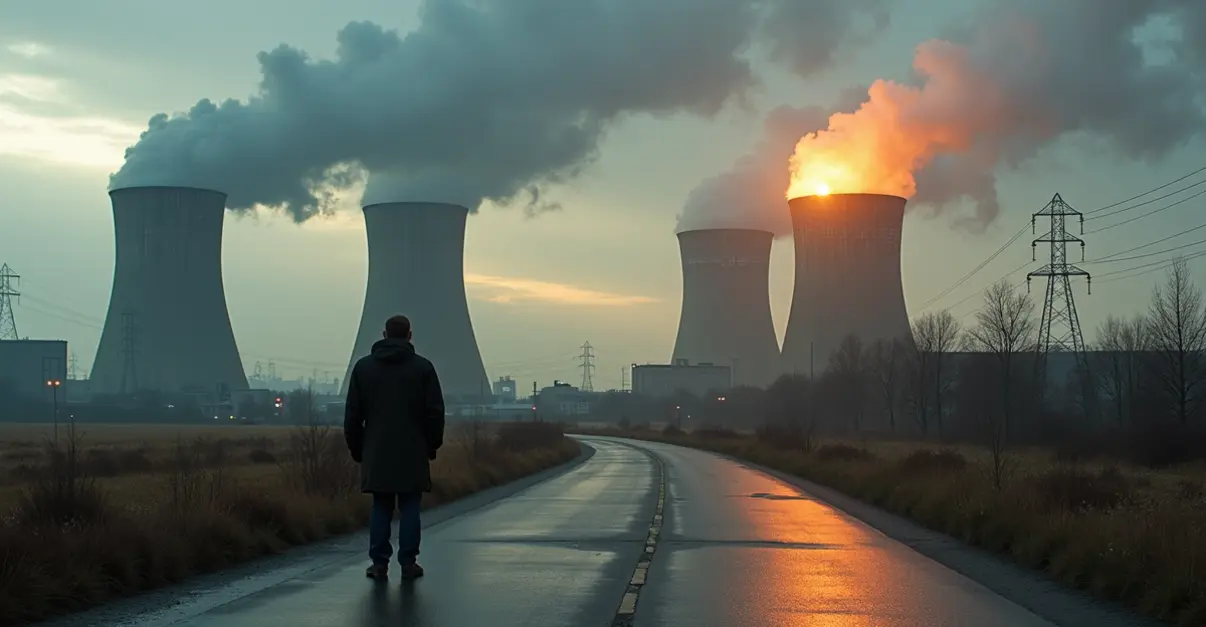
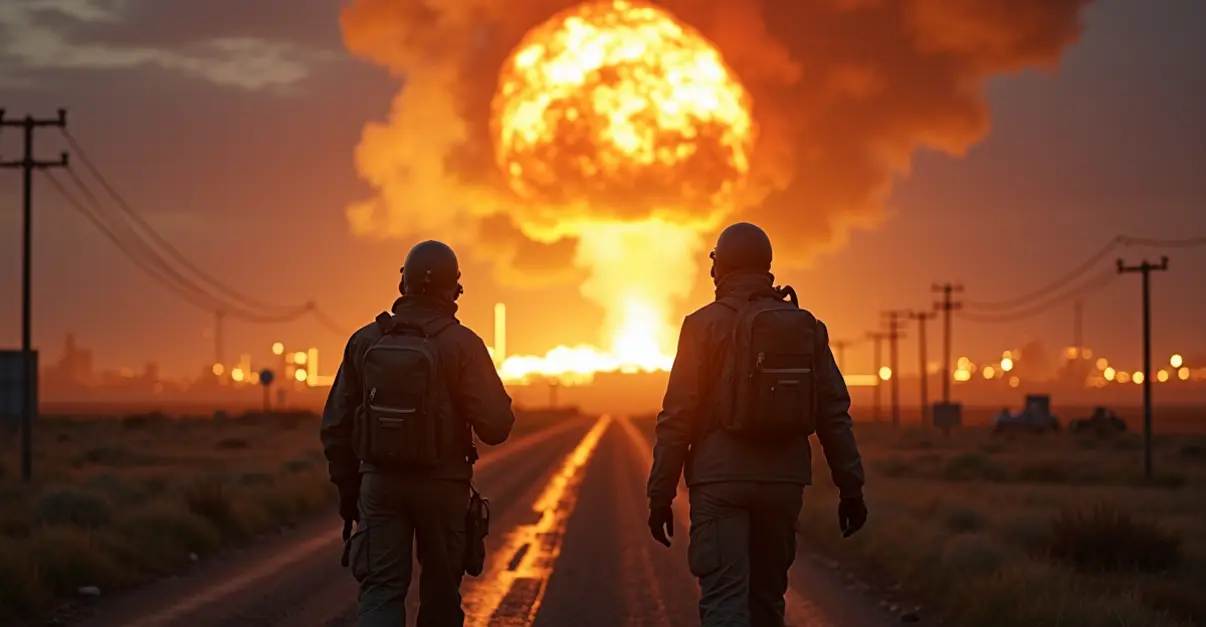
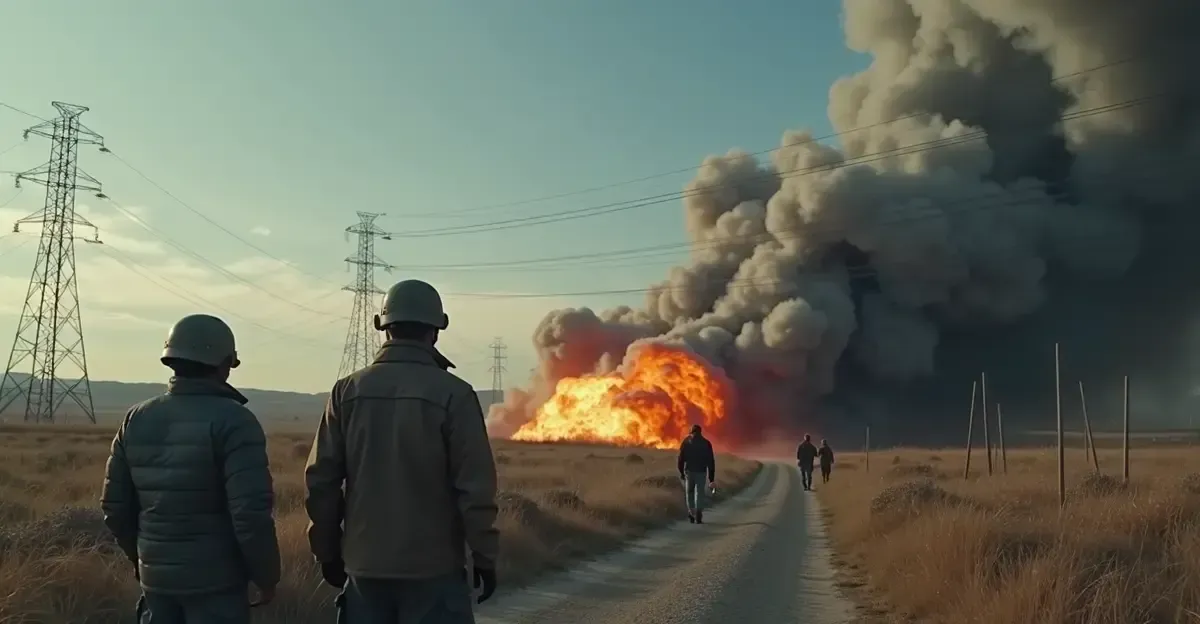
A nuclear false flag operation refers to a covert action where one nation stages a radiological or nuclear incident while making it appear as though another party was responsible. In the context of the Russia-Ukraine war, this would involve Russia potentially causing a nuclear-related incident on Ukrainian territory and then blaming Ukraine or its Western allies. The Institute for the Study of War (ISW), a respected American think tank, has issued a stark warning that the Kremlin may be considering exactly such a dangerous maneuver to distract from its military failures in Ukraine.
ISW's Grave Warning: Russia's Desperate Gambit
The Institute for the Study of War's February 2026 assessment paints a troubling picture of Russian strategic thinking. According to their analysis, Russia may be planning a nuclear false flag operation to divert attention from its lack of battlefield achievements in Ukraine. 'The Kremlin could stage a radiological incident and blame Ukraine, potentially to convince Western nations to abandon support for Ukraine,' the report states. This warning comes as Russia enters its fifth year of war with Ukraine, having failed to achieve its original objectives of seizing Kyiv, replacing Ukraine's government, or preventing NATO expansion.
The Strategic Context: Russia's Military Failures
Russia's military situation has deteriorated significantly in recent months. Ukrainian forces have achieved substantial battlefield successes, including stabilizing control over Kupyansk and liberating approximately 183 square kilometers in December 2025, plus net gains of 165 square kilometers in February 2026. These counterattacks have disrupted Russian preparations for their planned Spring-Summer 2026 offensive and exploited Russian vulnerabilities in command and control systems. Perhaps most critically, Russia now faces severe force generation issues, with casualty rates surpassing recruitment rates in January 2026.
Russia's Nuclear Infrastructure Attacks
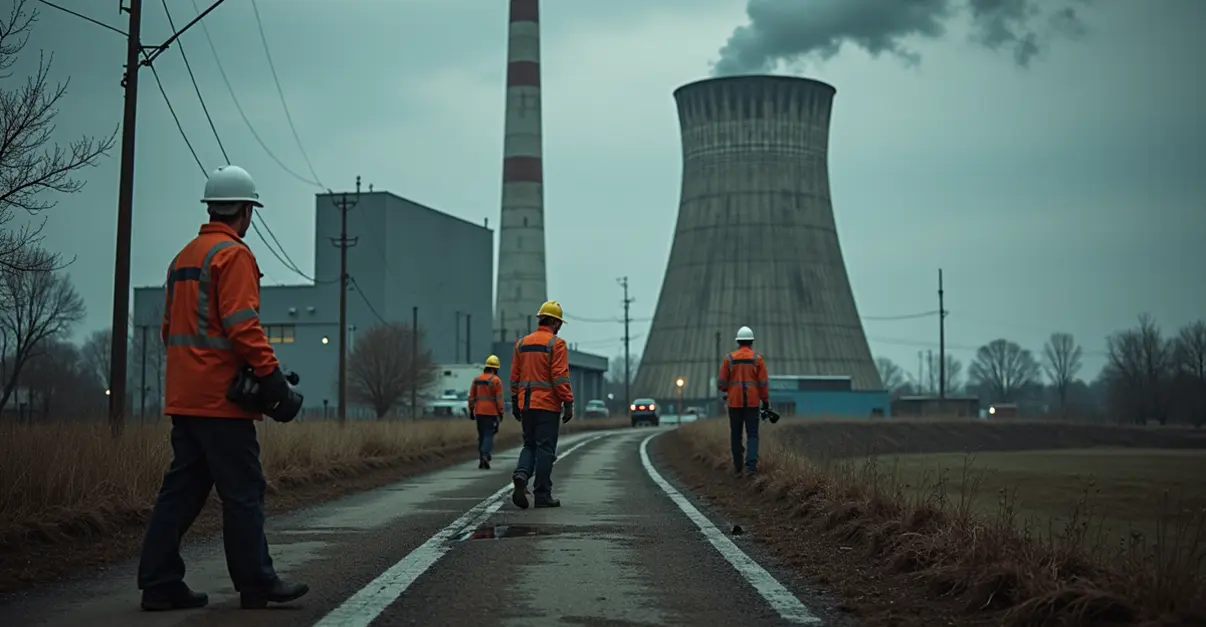
Russia has been systematically targeting Ukrainian nuclear infrastructure, creating conditions where a radiological incident could occur either intentionally or accidentally. The most concerning site is the Zaporizhzhia Nuclear Power Plant, Europe's largest nuclear facility, which has been under Russian occupation since March 2022. The plant has been on the front lines for over two years, with recent drone strikes raising fears of a nuclear accident. The International Atomic Energy Agency (IAEA) confirmed that all six reactor units are now in 'cold shutdown' for the first time since late 2022, providing some safety margin but not eliminating risks.
Zaporizhzhia: A Russian Military Base
The Zaporizhzhia plant now functions as a Russian military base with numerous safety violations. Both sides have blamed each other for recent attacks on the site, with the IAEA warning that such actions significantly increase nuclear accident risks. Ukraine maintains it has always been responsible with nuclear safety, while accusing Russia of bringing the world close to a radiation disaster. The situation is further complicated by Russia's occupation of Chernobyl in 2022, where Russian soldiers dug trenches in heavily contaminated areas, exposing themselves to dangerous radiation levels.
Russia's Information Warfare Campaign
The ISW report notes that recent Russian nuclear rhetoric follows a familiar pattern. Russia's Foreign Intelligence Service (SVR) has made baseless claims that the UK and France are attempting to transfer nuclear weapons or 'dirty bombs' to Ukraine. Kremlin spokesperson Dmitry Peskov escalated these allegations, calling them a 'flagrant violation of international law' if true. These accusations are part of what ISW describes as a 'coordinated information campaign' designed to increase nuclear threat perceptions and distract from the upcoming anniversary of Russia's invasion.
Historical Pattern of Nuclear Threats
This isn't the first time Russia has employed nuclear rhetoric as a strategic tool. Moscow has previously used false narratives about Ukraine planning to use a 'dirty bomb' to influence Western discussions about military support. The current escalation is notable because Russia is explicitly naming the UK and France as responsible parties, potentially setting the stage for a more direct confrontation with NATO powers. Similar to the 2014 Crimea annexation information operations, Russia appears to be creating pretexts for potential escalation.
Potential Scenarios and Risks
Experts have identified several possible scenarios for a nuclear false flag operation:
- Intentional damage to Zaporizhzhia: Russia could cause limited damage to the nuclear plant and blame Ukrainian forces
- Radiological dispersal device: A 'dirty bomb' scenario using conventional explosives with radioactive materials
- Nuclear infrastructure sabotage: Targeting other Ukrainian nuclear facilities under Russian control
- False claims of Ukrainian nuclear weapons: Fabricating evidence of Ukrainian nuclear capabilities
International Response and Preparedness
The international community faces significant challenges in responding to such threats. The UN Security Council remains paralyzed by Russia's veto power, while the IAEA has limited enforcement capabilities. Western intelligence agencies are reportedly monitoring the situation closely, with particular attention to Russian movements around nuclear facilities. NATO has reiterated its commitment to Article 5 collective defense while urging restraint from all parties.
Geopolitical Implications
A nuclear false flag operation would have profound consequences for global security. It could potentially:
- Undermine Western support for Ukraine by creating fear of nuclear escalation
- Justify further Russian aggression under the pretext of 'preventing nuclear terrorism'
- Trigger NATO responses that could escalate the conflict beyond Ukraine's borders
- Damage international nuclear non-proliferation efforts for decades
- Create humanitarian crises with potential radiation contamination across Europe
The situation represents one of the most dangerous moments in the post-Cold War era, with nuclear risks higher than at any point since the Cuban Missile Crisis. As the ISW report concludes, while actual Russian nuclear weapons use remains unlikely, the intentional creation of a radiological incident for propaganda purposes represents a serious and growing threat that requires urgent international attention.
Frequently Asked Questions
What is a nuclear false flag operation?
A nuclear false flag operation involves one nation staging a radiological or nuclear incident while making it appear that another party was responsible, typically for propaganda or strategic advantage.
Why would Russia consider such an operation?
Russia may seek to distract from military failures in Ukraine, undermine Western support for Kyiv, and create pretexts for further escalation or negotiation advantages.
How credible is the ISW warning?
The Institute for the Study of War is a respected Washington-based think tank with extensive military analysis experience. Their warnings are based on pattern analysis of Russian behavior and intelligence assessments.
What nuclear facilities are at risk?
The Zaporizhzhia Nuclear Power Plant (occupied by Russia), Chernobyl, and other Ukrainian nuclear facilities are at particular risk, along with any sites containing radioactive materials.
How can the international community prevent this?
Enhanced monitoring by the IAEA, diplomatic pressure, intelligence sharing among Western allies, and clear consequences for nuclear provocations could help deter such actions.

Follow Discussion