


 Deutsch
 English
 Español
 Français
 Nederlands
 Português


 Share
Share




What is Ukraine's Counteroffensive Logistics Challenge?
The Ukraine counteroffensive logistics challenge represents one of the most complex military supply chain operations in modern warfare, testing global defense systems and international cooperation. As Ukraine continues its defensive operations against Russian forces in 2025-2026, the logistical hurdles have evolved from immediate battlefield needs to systemic global supply chain issues affecting ammunition production, equipment maintenance, and strategic resource allocation. According to recent analysis from RealClearDefense, sustainment operations—maintaining military operations through supply chains, equipment maintenance, and logistical support—have become fundamental to Ukraine's military effectiveness and strategic resilience.
The Core Logistics Challenges in 2025-2026
Ukraine's military faces multiple overlapping logistical hurdles that extend far beyond its borders. The NATO ammunition interoperability problem has emerged as a critical issue, with Ukrainian forces operating 17 different howitzer types using nearly 50 models of high-explosive shells. While 155mm artillery shells from different NATO nations are physically compatible, they lack true technical interoperability, creating accuracy and safety concerns that frontline troops must navigate daily.
Ammunition Supply Chain Bottlenecks
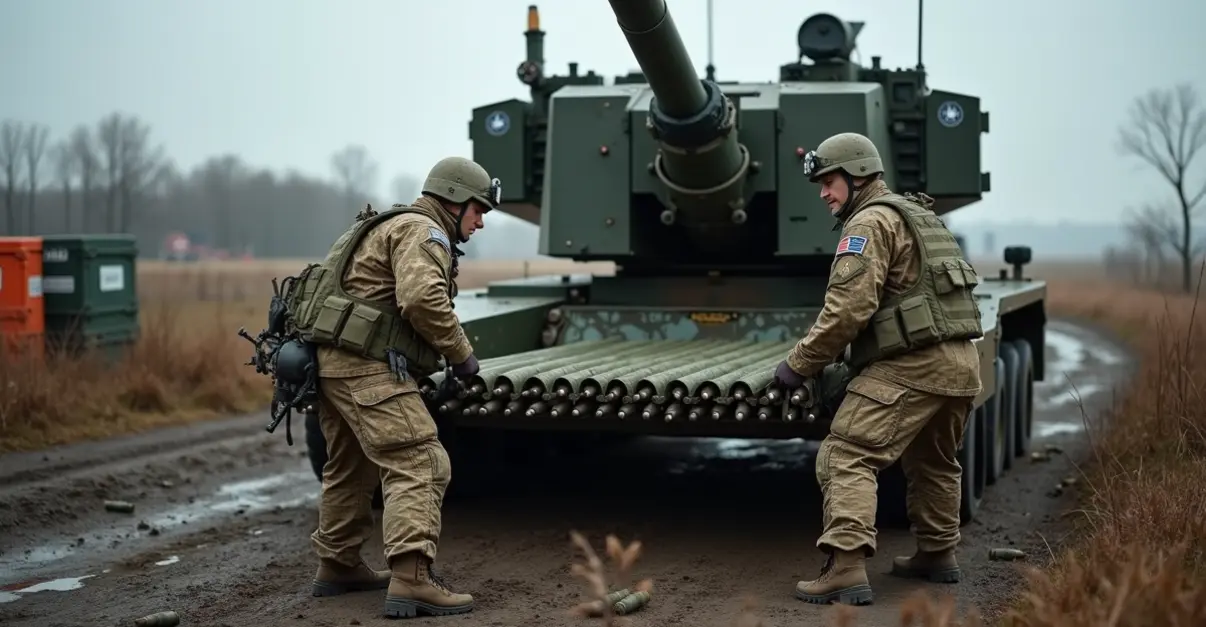
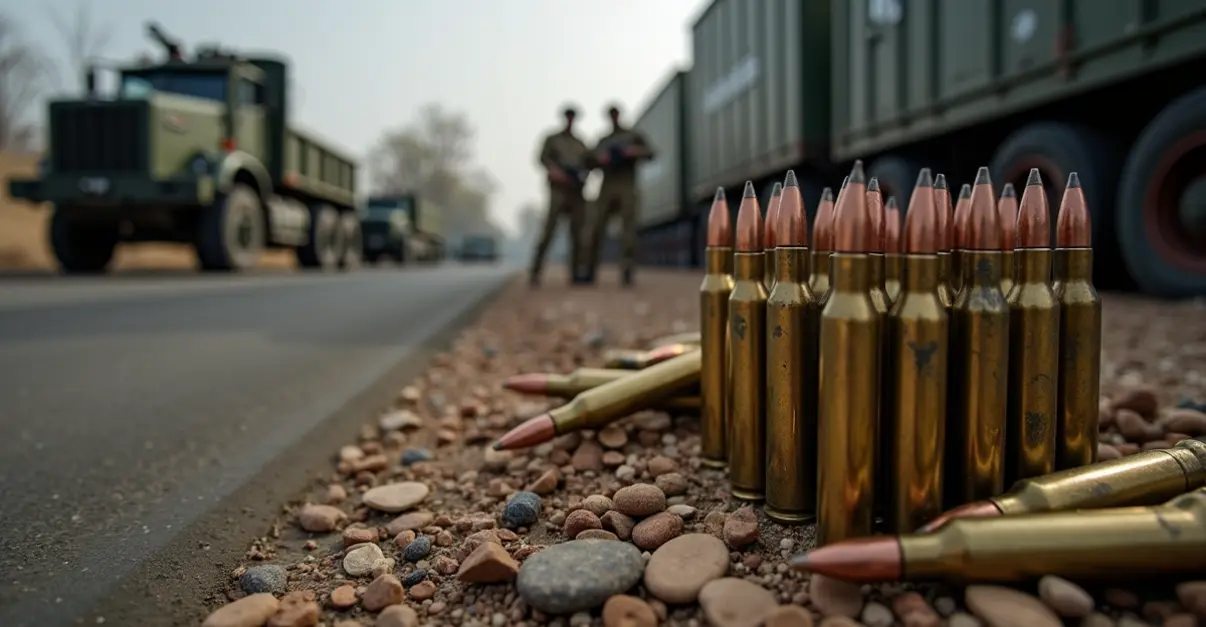
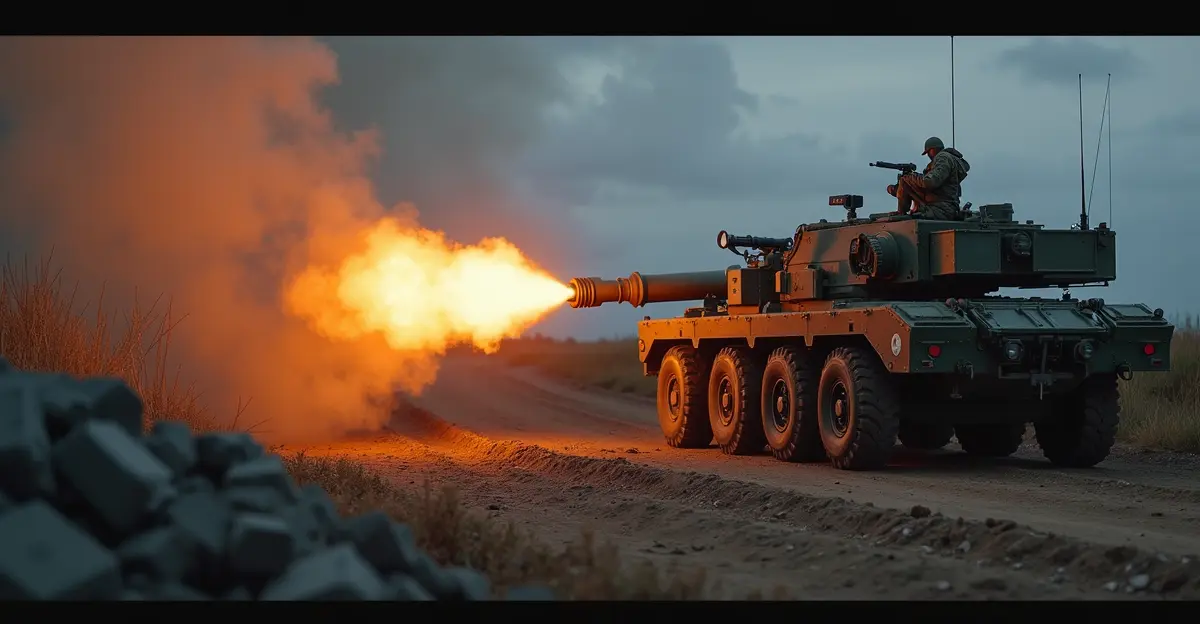
The sheer volume of artillery consumption has strained global production capacities. Ukraine is now firing millions of artillery shells per year, according to Forbes reports, requiring unprecedented coordination among NATO allies and defense contractors. The EU's Act in Support of Ammunition Production (ASAP) initiative, adopted in July 2023, represents one response to these shortages by boosting production capacity and enabling direct procurement, but implementation continues to face hurdles.
Equipment Maintenance and Repair Networks
Maintaining diverse Western-supplied equipment under battlefield conditions presents unique challenges. The Department of Defense Inspector General report 2026-014 highlights systemic issues in U.S. Army supply chain processes that indirectly affect Ukraine's capabilities. Ukrainian technicians must master multiple maintenance protocols for equipment from different countries, often without access to original manufacturer support or spare parts pipelines.
Global Impact and Market Implications
The Ukraine conflict has fundamentally transformed global defense supply chains, creating ripple effects across international markets and policy frameworks. Research published in Scandinavian Journal of Military Studies documents how Russia's invasion has shifted European defense procurement from transactional contracts to trust-based agreements aimed at enhancing supply chain resilience.
Defense Industry Restructuring
Global defense contractors are undergoing significant restructuring to meet unprecedented demand. Production lines for artillery shells, drones, and armored vehicles have expanded across NATO countries, but capacity constraints remain. The conflict has accelerated innovation in autonomous weapons systems and electronic warfare capabilities, creating new market segments while straining traditional manufacturing approaches.
Economic and Policy Consequences
The logistical challenges have prompted reevaluation of national security strategies worldwide. Countries are reassessing stockpile requirements, domestic production capabilities, and alliance-based supply arrangements. The sustained demand has driven up prices for critical materials like explosives, steel, and electronics, affecting both military and civilian markets.
Strategic Implications for Future Warfare
According to analysis from the Center for Strategic and International Studies, contested logistics represents one of five transformative domains reshaping modern warfare. The Ukraine experience demonstrates that logistical resilience is as critical as combat capability, with supply chain vulnerabilities becoming primary targets for adversaries.
Lessons for Military Planning
Military planners worldwide are studying Ukraine's logistical adaptations, including the development of compatibility matrices for mixed equipment and the Kropyva system for generating firing tables from test shots. These innovations highlight the importance of flexibility and interoperability in complex coalition operations.
Future Outlook and Solutions
Looking toward 2026 and beyond, solutions are emerging through both technological innovation and policy coordination. Standardization efforts within NATO are accelerating, while digital supply chain management tools are being adapted for military applications. The European defense industry expansion represents a structural shift that will have lasting implications for global security architecture.
Expert Perspectives on Logistics Sustainability
'The logistics of victory depend on Ukraine's ability to maintain consistent supply lines, repair damaged equipment, and ensure troops have necessary resources,' notes defense analyst Evelyn Nakamura. 'These sustainment challenges are fundamental to military effectiveness in protracted conflicts where attrition becomes a primary factor.' Military experts emphasize that Ukraine's experience is rewriting doctrine on contested logistics in modern warfare, with implications for defense planning across democratic nations.
Frequently Asked Questions
What are the main logistics challenges in Ukraine's counteroffensive?
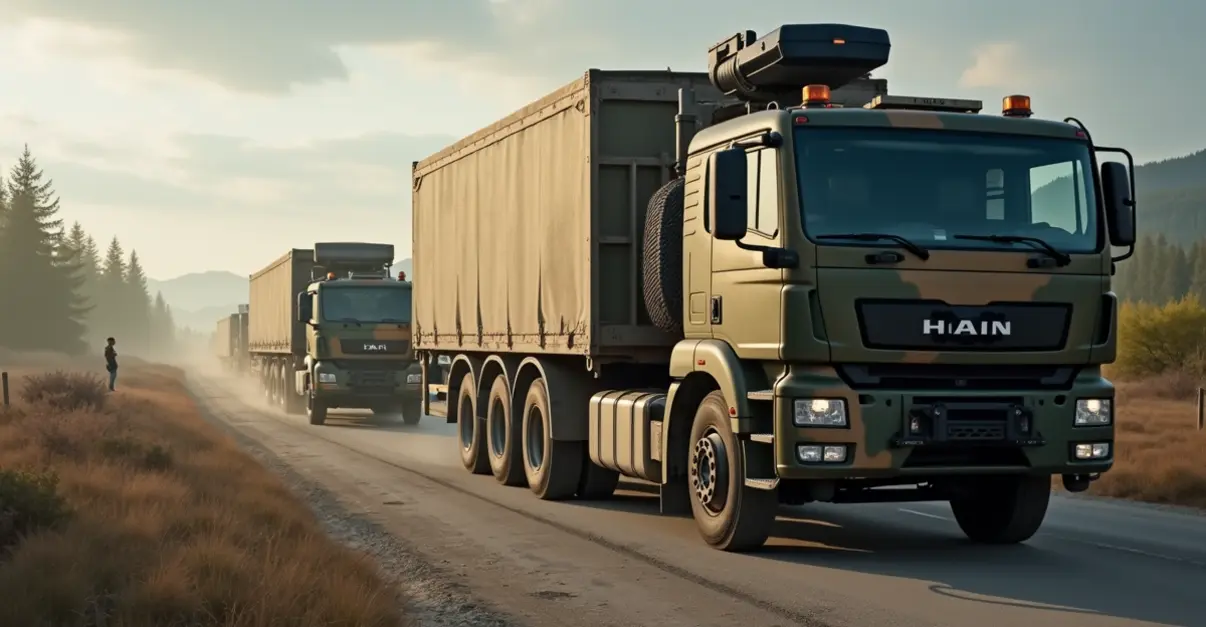
The primary challenges include ammunition interoperability issues with NATO equipment, maintenance of diverse Western-supplied weapons systems, transportation infrastructure vulnerabilities, and global supply chain bottlenecks affecting production and delivery timelines.
How has the conflict affected global ammunition markets?
The Ukraine war has created unprecedented demand for artillery shells, driving up prices and prompting expansion of production capacity across NATO countries. It has also exposed vulnerabilities in just-in-time defense manufacturing models, leading to strategic stockpiling initiatives.
What solutions are being developed for logistics interoperability?
Solutions include compatibility matrices for mixed equipment, digital firing table generation systems like Kropyva, accelerated NATO standardization efforts, and trust-based supply agreements replacing transactional contracts in European defense procurement.
How does Ukraine maintain equipment from multiple countries?
Ukrainian forces have developed extensive repair networks, often improvising solutions and creating hybrid maintenance protocols. International technical assistance programs and virtual support networks help bridge gaps in manufacturer support.
What long-term impacts will this have on global defense?
The conflict is driving permanent changes in defense industrial policy, including increased domestic production capacity, enhanced alliance logistics coordination, and greater emphasis on supply chain resilience in national security planning.
Sources
RealClearDefense analysis of Ukraine's sustainment challenges (March 2025), Forbes reporting on artillery supply chains (February 2025), CSIS analysis of modern warfare lessons (2025), Scandinavian Journal of Military Studies research on defense supply chains (2025), Department of Defense Inspector General report 2026-014 on Army supply processes.
Follow Discussion