


 Deutsch
 English
 Español
 Français
 Nederlands
 Português


 Share
Share




Ukraine's Artillery Faces Critical Ammunition Shortages as Supply Chains Strain
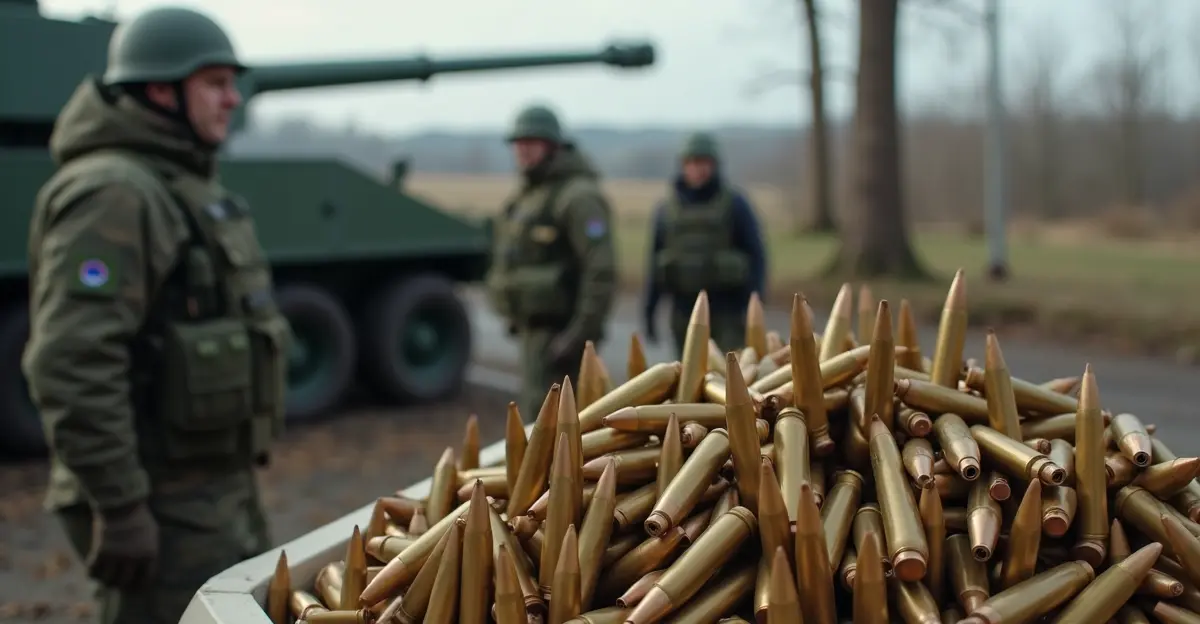
As the war in Ukraine enters its fourth year in 2025, Ukrainian forces are grappling with severe ammunition shortages that threaten their ability to hold defensive positions against relentless Russian assaults. Military commanders report having to ration every artillery round, with some units receiving only a fraction of their required ammunition. 'We're counting shells like they're gold coins,' says Captain Oleksandr, an artillery commander in the Donbas region. 'When the enemy attacks, we have to make impossible choices about which positions to support.'
The Four-Pronged Supply Strategy
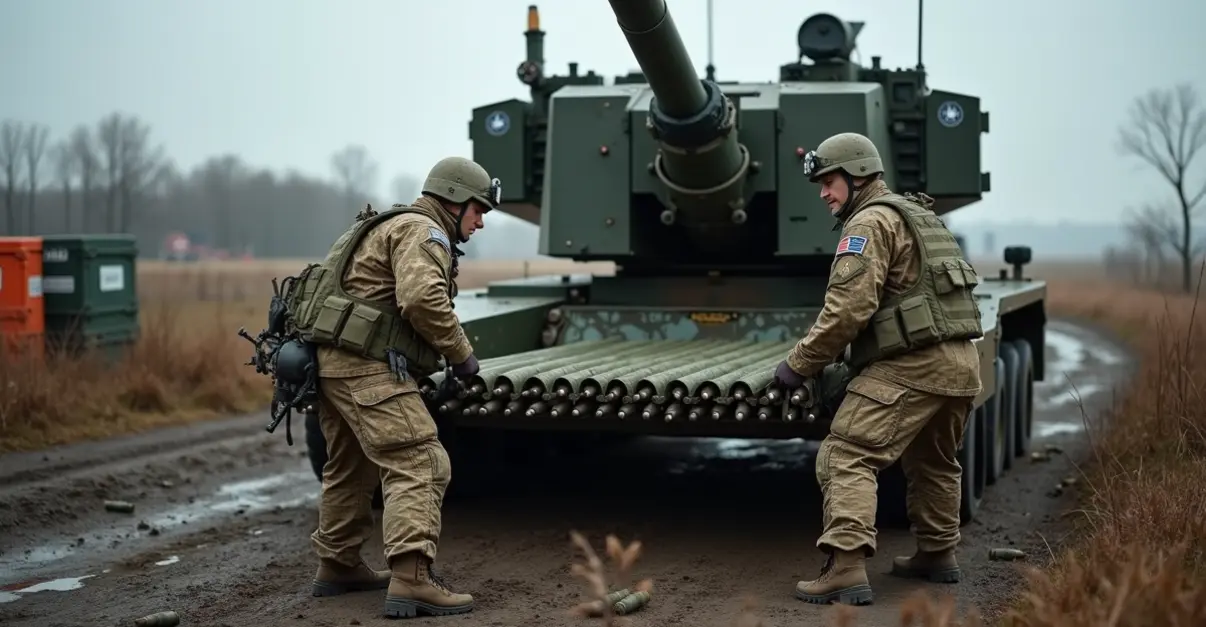
Ukraine currently relies on four main ammunition sources, according to military expert Mykhailo Samus. The Czech-led Shell Bridge initiative has delivered approximately 1 million artillery shells by August 2025, with a target of 1.8 million by year-end. European defense industries are expanding production, though they failed to meet their 2025 targets and have pushed goals to 2026. The U.S. PURL (Production for Ukraine) mechanism allows European allies to fund American ammunition production, while Ukraine has tripled its domestic production from 1 million to 2.5 million rounds annually.
Logistical Bottlenecks and Political Risks
Despite these efforts, significant bottlenecks persist. Gunpowder production shortages across Europe have created critical delays, with some factories operating at only 60% capacity. Transportation infrastructure remains vulnerable to Russian attacks, with rail lines and storage facilities frequently targeted. Political uncertainty adds another layer of risk—upcoming Czech elections could jeopardize the Shell Bridge program if opposition parties gain power and curtail funding.
Allied Assistance Pledges and Implementation Gaps
While Western nations have made substantial aid pledges, implementation has been inconsistent. The United States has committed $5.5 billion to boost domestic manufacturing, increasing monthly 155mm projectile output from 14,400 to 40,000 units—a 178% increase. However, bureaucratic delays and supply chain disruptions for raw materials like steel and rare-earth elements have slowed actual deliveries. 'Promises don't stop Russian shells,' notes Ukrainian Defense Ministry spokesperson Yuriy Sak. 'We need consistent, predictable deliveries that match the rhythm of combat operations.'
The 2026 Outlook: Rhythm Over Quantity
Military analysts emphasize that for 2026, the key challenge isn't just increasing total production numbers but maintaining consistent delivery rhythms. European production targets of 700,000 artillery shells annually by 2025 have been delayed, with full capacity now expected in 2026. Ukraine's joint venture with German defense contractor Rheinmetall, scheduled to begin production in 2026, represents a long-term solution but offers little immediate relief. The critical question remains whether supply chains can deliver ammunition at the pace needed for effective counter-battery combat and defensive operations.
Strategic Consequences on the Ground
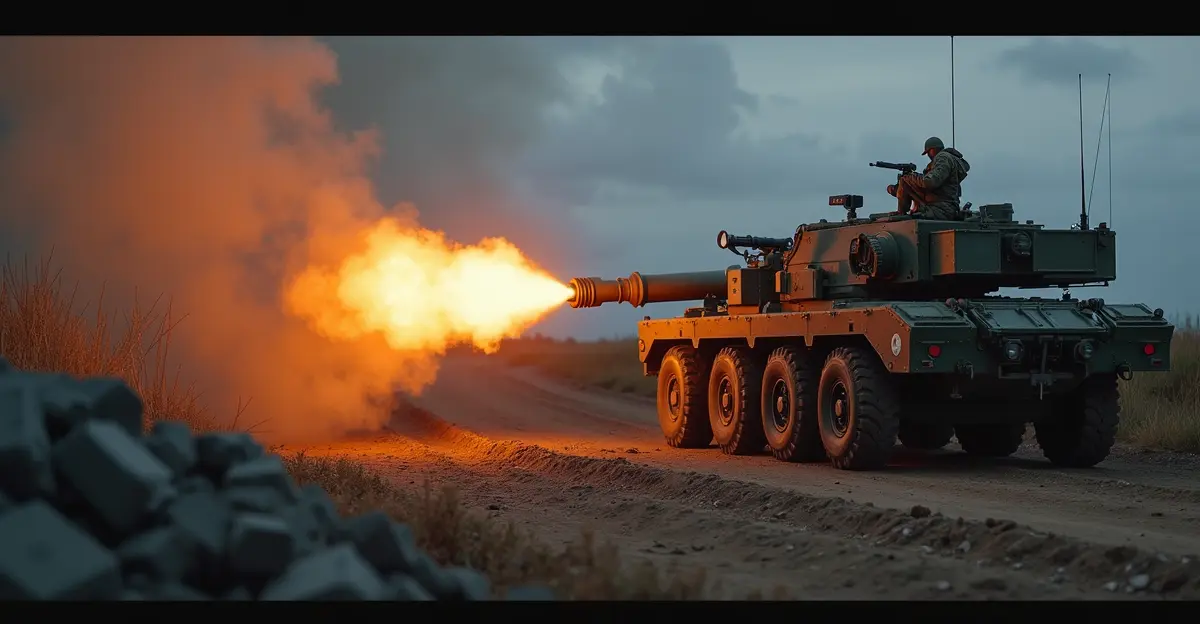
The ammunition shortages have forced Ukrainian commanders to make difficult strategic choices. Some units have withdrawn from forward positions they couldn't adequately support with artillery fire. Russian forces have exploited these gaps, intensifying bombardments in areas where Ukrainian artillery response is limited. Limited fire support is directly influencing ground outcomes, with Ukrainian troops sometimes outgunned 10-to-1 in artillery exchanges.
As the conflict continues, the race between ammunition production and consumption remains Ukraine's most pressing military challenge. While international support has prevented collapse, the gap between pledged assistance and delivered ammunition continues to strain Ukrainian defenses at the most critical moments.
Follow Discussion