Nederlands
 English
 Deutsch
 Français
 Español
 Português






The Shell Bridge and PURL: Ukraine's Ammunition Lifelines
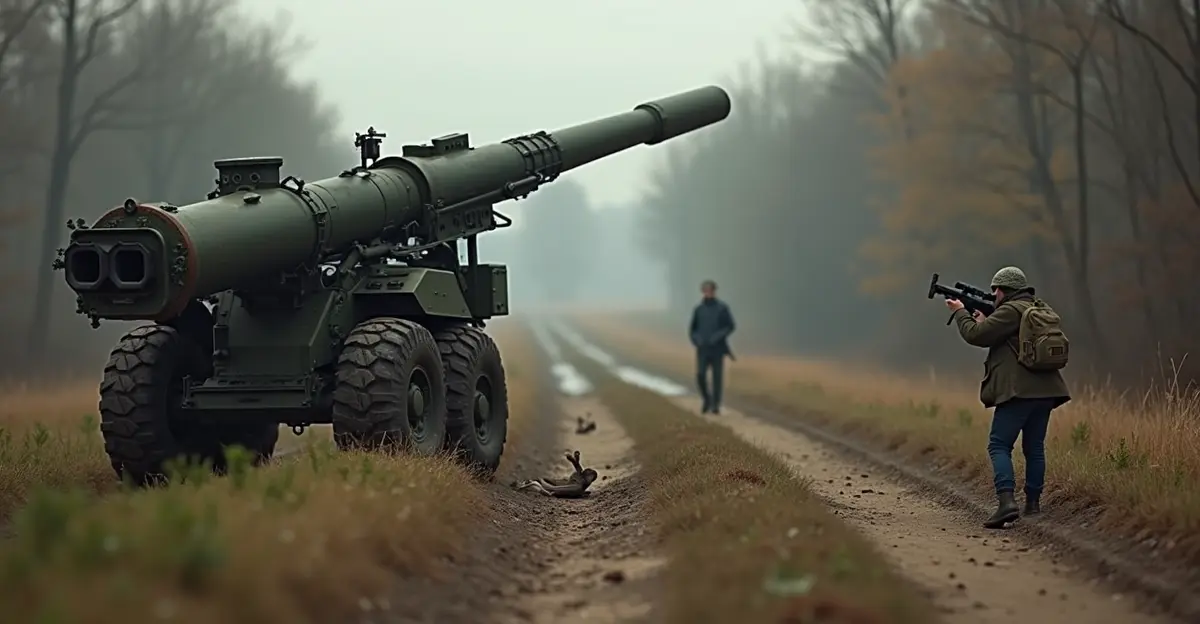
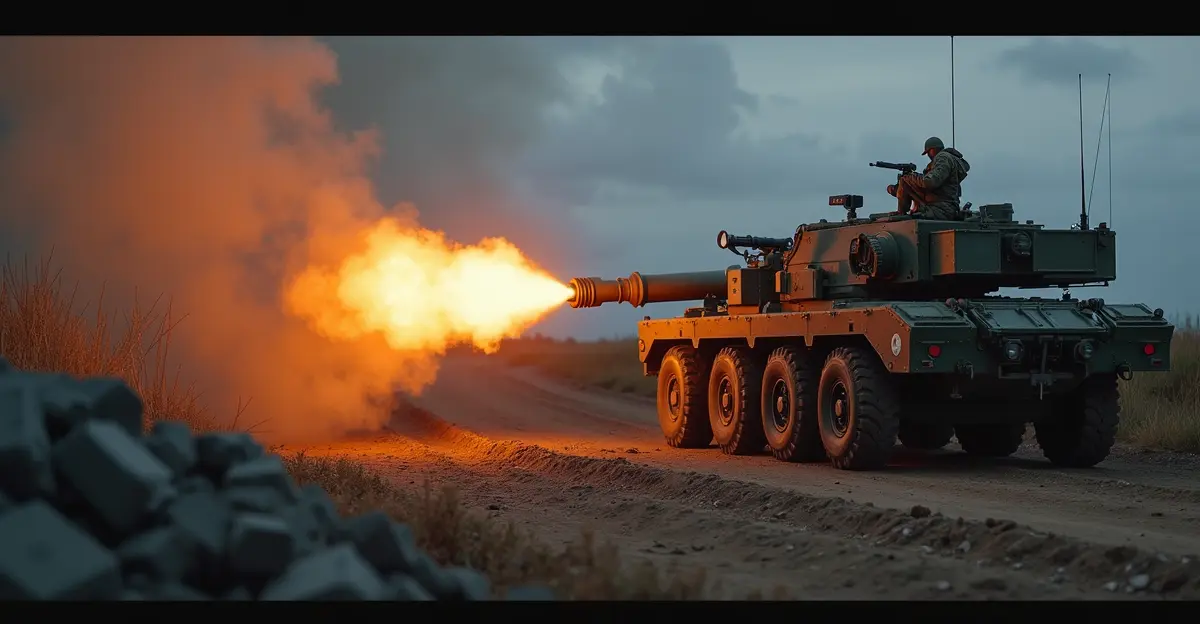
As Ukraine enters another year of defense against Russian aggression in 2025, the country's ability to hold its front lines depends critically on a complex web of global ammunition supply chains. With artillery fire consuming millions of shells annually, the rhythm and pace of deliveries have become more important than total quantities, according to military experts monitoring the conflict.
The Czech 'Shell Bridge' Initiative
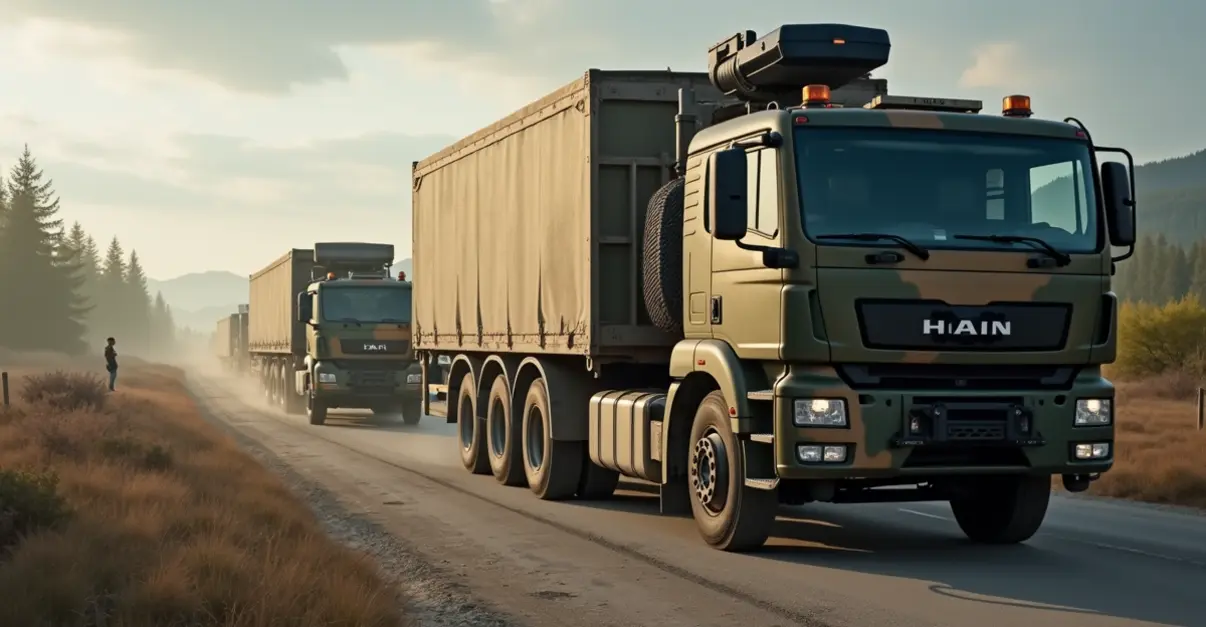
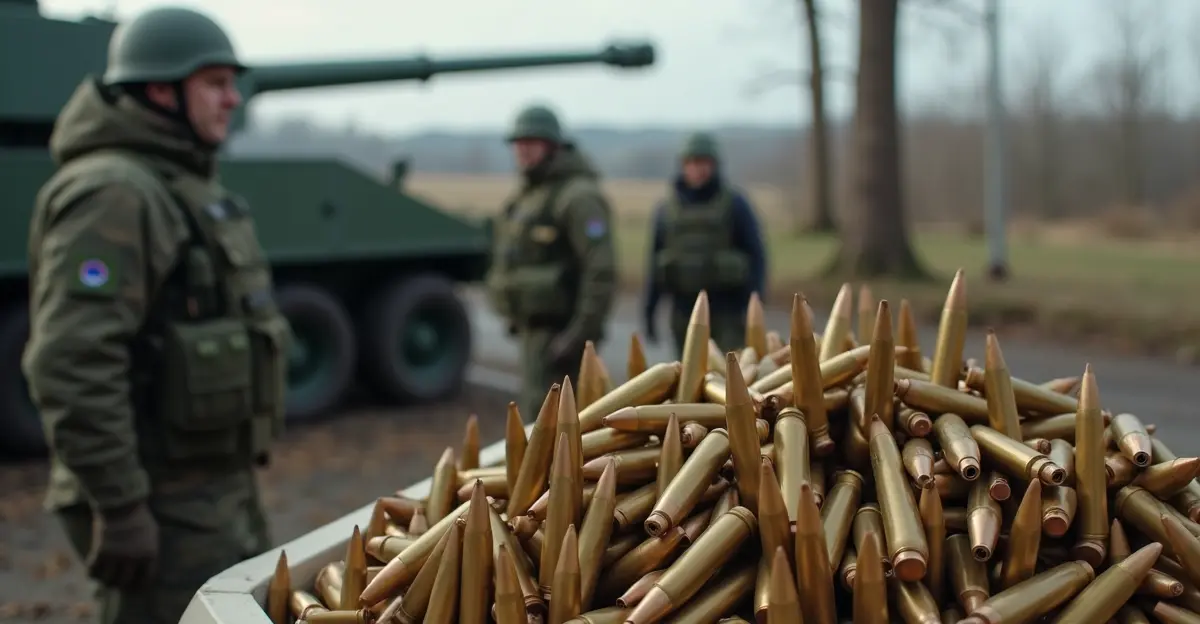
The most successful ammunition pipeline to emerge in 2024-2025 has been the Czech Republic's 'Shell Bridge' initiative, which has delivered approximately 1 million artillery shells to Ukraine by August 2025, with a target of reaching 1.8 million by year-end. 'The Czech program has been phenomenally successful in keeping ammunition flowing when other channels faced delays,' says Mykhailo Samus, a military analyst with the New Geopolitics research group. However, this critical supply line faces political uncertainty with upcoming Czech elections where the opposition ANO party has signaled it might curtail funding for the initiative.
The program, involving 16 European countries led by the Czech Republic, has managed over €1.6 billion in European taxpayer money as of late 2024. While Czech officials tout its success, Ukrainian sources report more modest numbers, and the initiative has faced allegations of profiteering and political favoritism. An international investigation found Czech companies charging commissions at least four times higher than Ukrainian state brokers, raising concerns about efficiency as U.S. aid dwindles.
European Production Expansion
Across Europe, new ammunition production facilities are coming online, but reaching the EU's ambitious target of 2 million artillery shells annually has been pushed to 2026. New plants in Germany, Bulgaria, Romania, and the UK represent significant investments in continental defense industrial capacity. 'Europe failed to meet its planned 2025 ammunition production targets, pushing the desired results to 2026,' notes Samus, emphasizing that maintaining consistent delivery rhythms is essential for Ukrainian artillery to conduct effective counter-battery combat.
The European Union has committed to providing Ukraine with over 1.35 million rounds of ammunition in 2025 and planned to allocate nearly €1.9 billion from frozen Russian assets for military support. However, political divisions within the EU, including Hungary's vetoes and member state disagreements, have created implementation challenges.
U.S. PURL Mechanism
With changing U.S. priorities under the Trump administration, NATO allies have developed the Prioritised Ukraine Requirements List (PURL) mechanism, where allies finance U.S. ammunition production for Ukraine. Since August 2025, contributions have reached $1 billion per month, with NATO allies and partners pledging over $4 billion through this initiative.
'Two-thirds of NATO Allies have contributed to PURL, with partners Australia and New Zealand also pledging support,' said NATO Secretary General Mark Rutte during December 2025 NATO Foreign Ministers meetings. Three new $500 million PURL packages were announced: one jointly funded by Germany, Norway and Poland; another by Germany, Netherlands and Norway; and a third by Belgium, Canada, Luxembourg, Portugal, Slovenia and Spain.
Ukraine's Domestic Production
For the first time since the Soviet era, Ukraine has launched serial production of its own artillery shells, including mortar rounds, Soviet-caliber artillery, and 155mm shells. A joint venture with German defense giant Rheinmetall is planned for 2026, representing a significant step toward self-sufficiency. 'Ukraine's ability to produce its own ammunition reduces dependency on external supply chains that can be politically vulnerable,' explains a defense industry analyst.
Logistical Bottlenecks and Future Challenges
The main challenge for 2026 is maintaining consistent delivery rhythm rather than just increasing total production volumes. Gunpowder production bottlenecks, transportation logistics across war-torn regions, and political uncertainties in both Europe and the United States create ongoing vulnerabilities in Ukraine's ammunition supply.
European defense ministers have pledged €21 billion in fresh military aid to Kyiv, with Germany contributing more than half of this amount (€11 billion over four years). The aid package includes air defense systems, missiles, artillery ammunition, drones, and other military equipment. However, as UK Defence Minister John Healey noted, '70-80% of battlefield casualties are now caused by drones, with Russia dropping 10,000 glide bombs on Ukraine in the first three months of 2025.'
The complex interplay of these four supply channels—Czech Shell Bridge, European production, U.S. PURL mechanism, and domestic Ukrainian production—will determine Ukraine's defensive capabilities in the coming year. With winter approaching and Russian forces continuing their offensive operations, the reliability of these ammunition pipelines remains Ukraine's most critical military concern.