


 Deutsch
 English
 Español
 Français
 Nederlands
 Português


 Share
Share




Ukraine's Artillery Crisis Deepens as Ammunition Supply Gap Widens
As the conflict in Ukraine enters its fourth year, military analysts are sounding alarms about a critical artillery ammunition shortage that threatens to undermine Ukraine's frontline defenses. With Russian forces maintaining pressure across multiple fronts, the rhythm and consistency of ammunition deliveries have become the determining factor in Ukraine's ability to hold territory.
The Four-Pillar Supply Strategy
Ukraine's artillery capabilities currently depend on four main sources: the Czech-led 'Shell Bridge' initiative, new European production facilities, U.S. supplies under the PURL mechanism, and Ukraine's own domestic production. According to military expert Mykhailo Samus, 'While Ukraine received about 1 million artillery shells by August 2025 and could reach 1.8 million by year's end, the key challenge for 2026 is maintaining consistent supply rhythms rather than just increasing total numbers.'
The Czech initiative has been particularly crucial, delivering approximately 1.5 million shells in 2024 and aiming for similar numbers in 2025. Czech Prime Minister Petr Fiala recently announced that the program had delivered one million rounds of heavy-caliber artillery shells to Ukraine in 2025 alone, with expectations of reaching 1.8 million by year's end.
Production Challenges and Political Risks
Despite these efforts, significant challenges remain. European factories are ramping up production, but bottlenecks in gunpowder manufacturing and component shortages continue to hamper output. Germany's Rheinmetall is partnering to build a new shell factory in Ukraine expected to produce hundreds of thousands of rounds annually starting in 2026, but this represents future capacity rather than immediate relief.
Political uncertainties add another layer of complexity. With the U.S. reducing military funding under the Trump administration, Europe faces increased pressure to develop innovative strategies. As noted in a CEPA report, Western policy has been reactive and fragmented due to escalation concerns, with sustainability issues in long-term funding and declining political will.
Frontline Impact and Operational Consequences
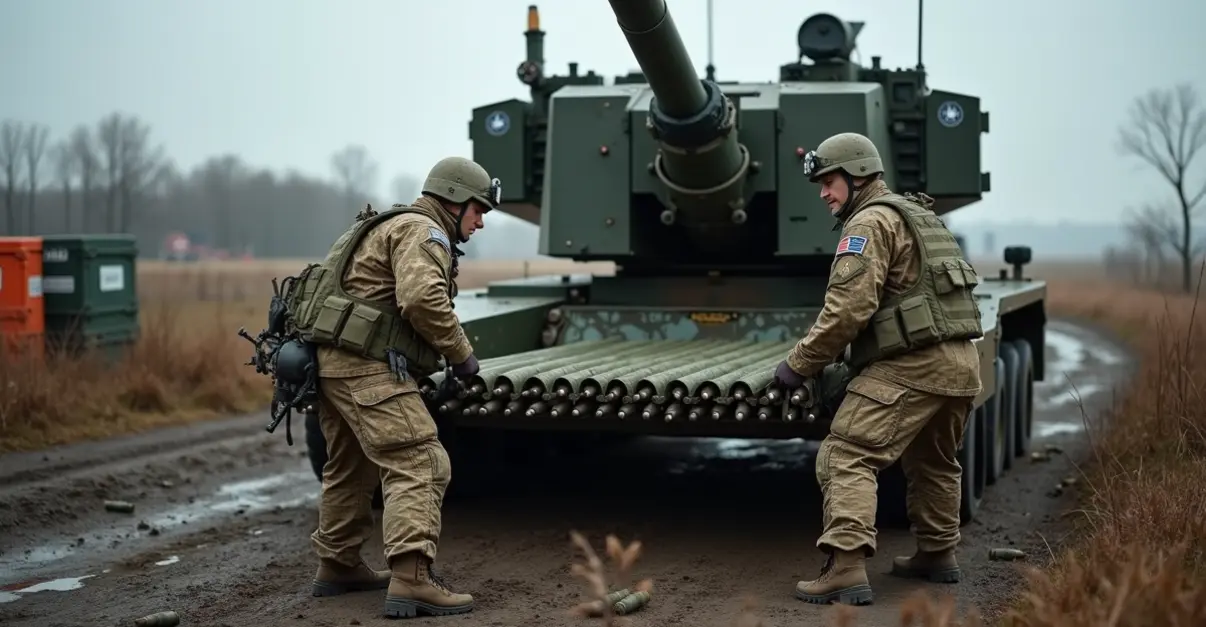
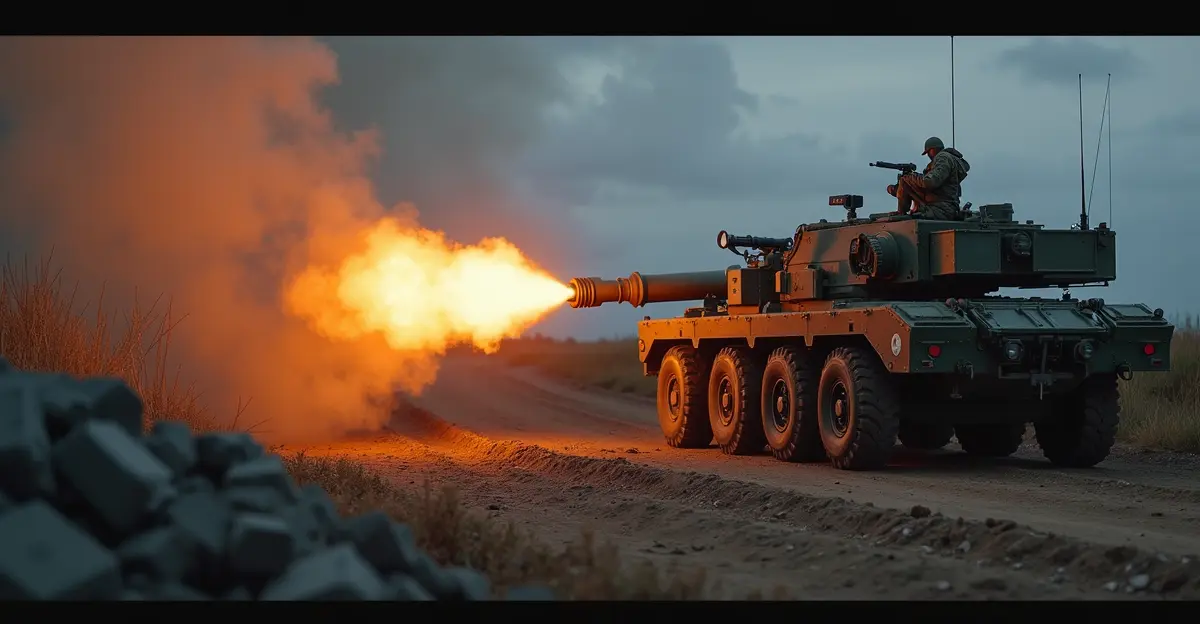
The ammunition shortage has direct battlefield consequences. Ukrainian artillery currently fires around 5,000+ 155mm shells daily—approximately 2 million annually—but this rate is unsustainable without consistent supply flows. 'This steady flow determines whether Ukrainian artillery can conduct effective counter-battery combat and sustain frontline defenses day after day,' explains Samus.
The situation is further complicated by interoperability issues. Ukrainian forces operate 17 different types of 155mm howitzers from NATO and non-NATO nations, using nearly 50 models of high-explosive shells with various propellants and fuzes. These compatibility problems have led to equipment damage, crew fatalities, and reduced combat effectiveness.
Looking Ahead to 2026
For 2026, the focus shifts from quantity to consistency. The Czech STV Group plans to increase annual output to 300,000 shells by 2026, including 155mm artillery rounds, through new production lines opening in 2025. However, risks remain including political changes in the Czech Republic, continued bottlenecks in production, and uncertainty in Washington.
NATO's NSATU mission, established in 2025, aims to coordinate security assistance, with recommendations for a $100 billion multiyear fund and harmonizing weapon donations to ensure Ukraine's interoperability with NATO by 2035. Yet as one defense analyst notes, 'The gap between Ukraine's ammunition needs and Western production capacity remains the single greatest vulnerability in the conflict.'
The coming months will test whether European initiatives can fully compensate for reduced American support. With Ukraine having lost around 200 of the 900 howitzers received from allies, it's replacing them with locally-made guns at 20 per month. These separate European ammunition initiatives must more than make up for the loss of U.S. support to ensure Ukraine's artillery remains operational against Russia's sustained pressure.

Follow Discussion