


 Deutsch
 English
 Español
 Français
 Nederlands
 Português


 Share
Share




US Military Conducts New Strike in Eastern Pacific
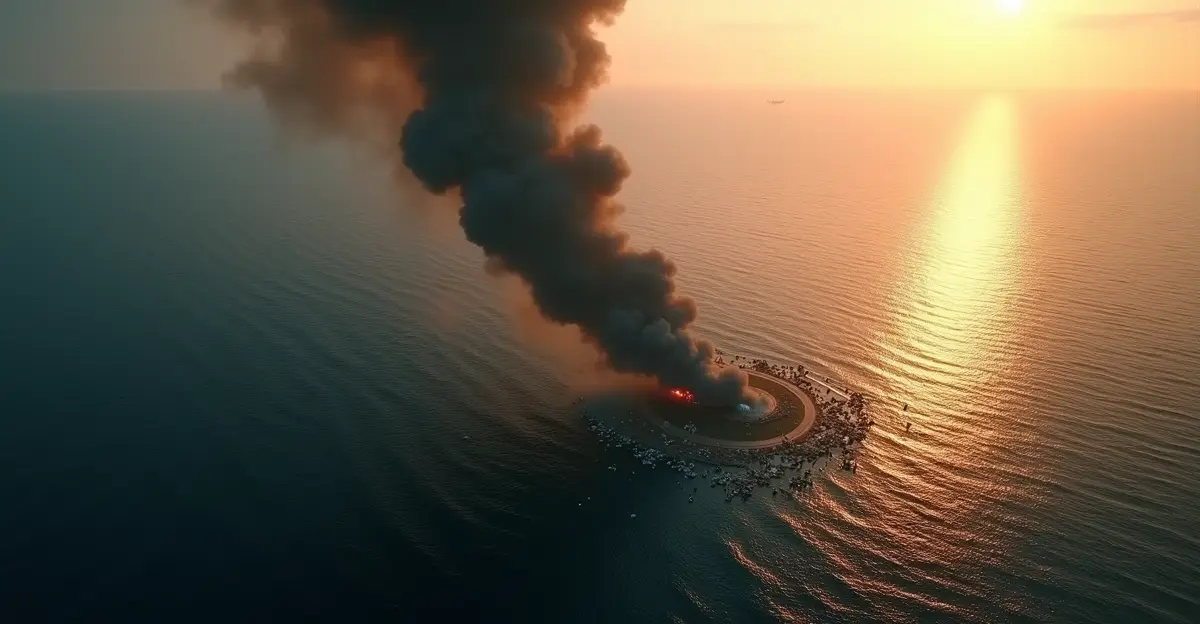
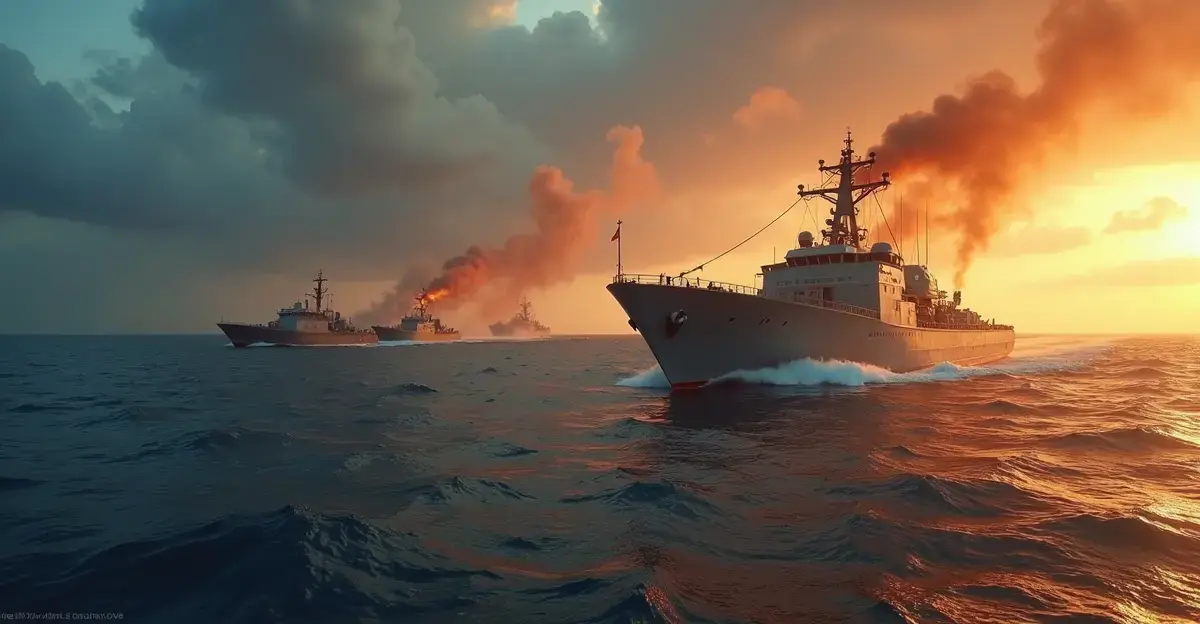
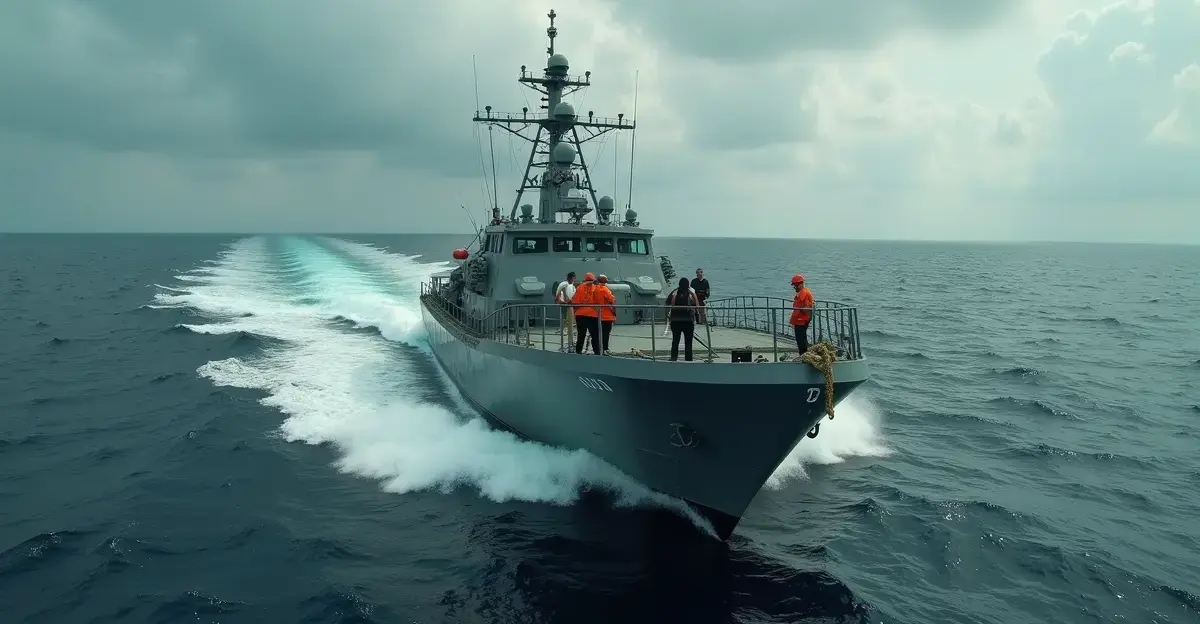
The United States military has conducted another strike on a suspected drug trafficking vessel in international waters of the Eastern Pacific Ocean, killing all four individuals on board. According to a statement from U.S. Southern Command on X, the operation targeted a boat following a 'known drug trafficking route' with members of a 'designated terrorist organization' aboard. This latest action brings the total number of such strikes under the Trump administration to at least 22, resulting in nearly 90 fatalities since September 2025.
Controversy Over 'Double-Tap' Strike Intensifies
The new strike comes amid escalating controversy over a September 2nd attack that has drawn accusations of potential war crimes. Congressional lawmakers were shown uncensored footage yesterday of the initial Caribbean strike, which revealed that U.S. forces conducted a second attack on survivors clinging to their capsized vessel. 'This was the most disturbing thing I have ever seen,' said Democratic Congressman Jim Himes after viewing the footage. 'Two individuals who were clearly in distress at a destroyed ship were killed by the U.S.'
Defense Secretary Pete Hegseth has faced intense scrutiny over the incident. While initially reported that Hegseth ordered the follow-up strike, Admiral Frank M. Bradley testified before Congress that he personally made the decision to 'complete the mission' of eliminating all targets. Hegseth defended the action, stating Bradley was 'well within his authority' to authorize the second attack.
Legal and Political Fallout
The Trump administration has attempted to legally justify its aggressive counter-narcotics campaign by designating major drug cartels as terrorist organizations, granting broader authority for military action. However, legal experts and human rights groups have raised serious concerns. According to CNN analysis, killing shipwrecked individuals who are 'hors de combat' (out of the fight) may violate international law. Retired Army JAG Daniel Maurer stated such actions could constitute war crimes under the Geneva Conventions.
Senator Angus King was even more direct: 'Intentionally killing survivors would be a stone-cold war crime and murder.' The controversy has prompted bipartisan congressional scrutiny, with lawmakers demanding a full accounting of operations that have left over 80 people dead in strikes against suspected drug traffickers in the Caribbean and Eastern Pacific.
Administration's Defense and Expansion Plans
President Trump has strongly defended the strikes, praising Hegseth's performance and indicating plans to expand operations to land targets in Venezuela. 'We're taking the fight to the drug cartels wherever they operate,' Trump stated recently. 'These terrorist organizations have been flooding our country with poison, and we're using every tool available to stop them.'
Republican Senator Tom Cotton supports the administration's position, arguing the second strike was justified: 'I saw how the survivors kept trying to right their boat full of drugs for the U.S., so they could continue to fight,' he commented after viewing the footage.
International and Domestic Reactions
The strikes have strained U.S. relations with Venezuela and other Latin American nations, with critics suggesting the true motive may be regime change rather than counter-narcotics. According to Wikipedia documentation, the operations have targeted vessels allegedly operated by groups including Venezuela's Tren de Aragua and Colombia's National Liberation Army, though no evidence has been publicly provided.
Domestically, the controversy has become a political flashpoint. Democrats have called for Hegseth's resignation and declassification of the Justice Department's legal opinion justifying the strikes. Meanwhile, the administration continues to release footage of destroyed vessels, including from the latest Eastern Pacific strike, as part of what it calls a 'transparent' approach to combating drug trafficking.
As the debate continues, the fundamental question remains: Are these operations legitimate counter-terrorism actions or extrajudicial killings that violate international law? With congressional investigations underway and legal challenges likely, the controversy shows no signs of abating as the administration pursues its aggressive anti-drug campaign.
Follow Discussion