


 Deutsch
 English
 Español
 Français
 Nederlands
 Português


 Share
Share




What is Trump's New 10% Global Tariff?
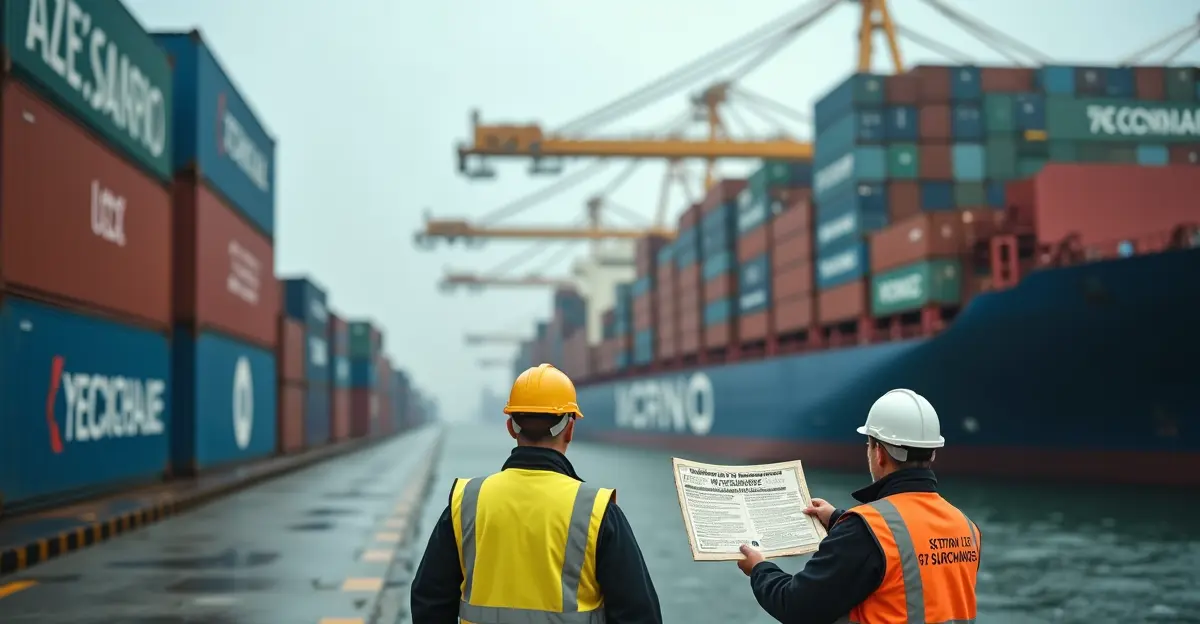
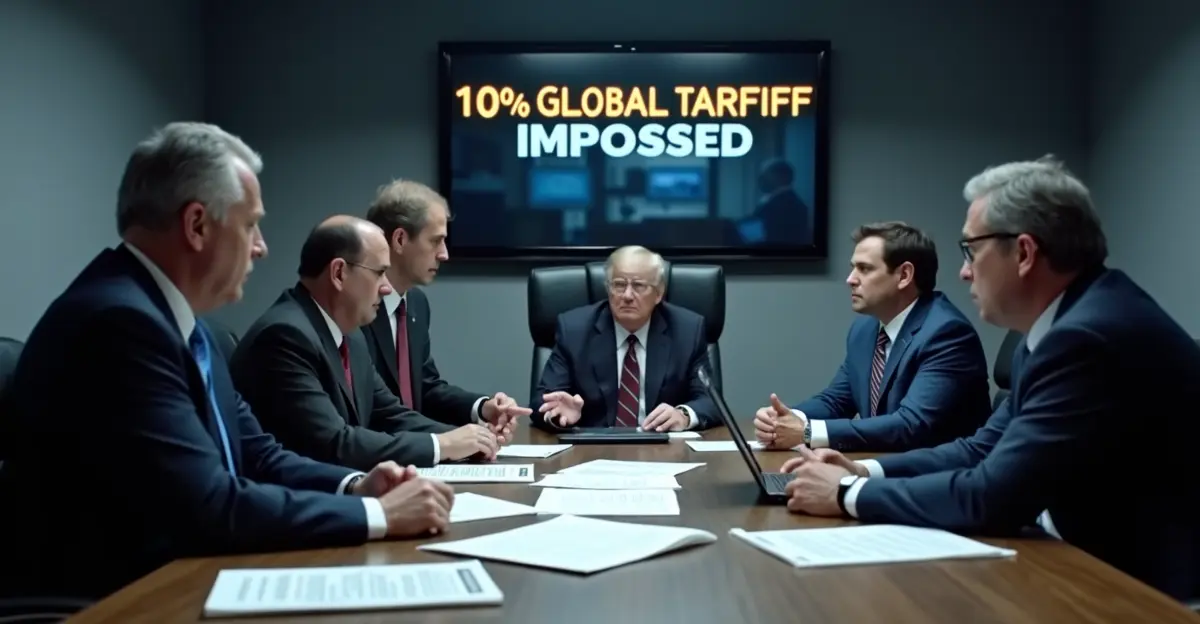
Former President Donald Trump has implemented a new 10 percent global import tariff effective February 24, 2026, marking a significant shift in U.S. trade policy following a landmark Supreme Court ruling. This comprehensive tariff affects nearly all goods imported into the United States and represents a strategic response to the Court's decision that invalidated Trump's previous trade measures. The 10 percent rate, while lower than the initially threatened 15 percent, still creates substantial implications for global trade relations and the American economy.
Supreme Court Ruling and Legal Background
On February 20, 2026, the U.S. Supreme Court delivered a 6-3 ruling in Learning Resources, Inc. v. Trump that declared Trump's previous tariffs imposed under the International Emergency Economic Powers Act (IEEPA) illegal. Chief Justice John Roberts wrote the majority opinion, stating that IEEPA contains no reference to tariffs or duties and no president has previously interpreted it to confer such power. This decision invalidated tariffs that had raised the average effective U.S. tariff rate to 27% in early 2025, the highest level in over a century.
Trump responded within hours by invoking Section 122 of the Trade Act of 1974, which allows the president to impose temporary tariffs of up to 15 percent for a maximum of 150 days without congressional approval. This legal maneuver represents a significant shift in presidential trade authority and sets up potential future conflicts with Congress over trade policy extensions.
Key Differences from Previous Tariffs
Legal Authority and Duration
The new 10 percent tariff operates under different legal authority than Trump's previous measures. While the invalidated IEEPA tariffs had no time limit, Section 122 tariffs can only last 150 days without congressional approval. This creates a ticking clock for the Trump administration to either secure legislative support or face the expiration of these trade measures.
Rate Structure and Implementation
Unlike the previous system that varied rates by country (ranging from 10 to 50 percent), the new tariff applies a uniform 10 percent rate to imports from nearly all trading partners. However, some countries like China face additional tariffs, bringing their total rate to 35 percent. Treasury Secretary Scott Bessent has indicated the administration will use other existing tariff laws to maintain virtually unchanged tariff revenue in 2026.
International Response and Trade Implications
European Union Reaction
The European Parliament has postponed voting on a trade agreement with the United States in response to the tariff announcement. European Parliament's trade committee chairman Bernd Lange called the situation "pure tariff chaos" and stated legislative work on the trade deal is "on hold." The European Commission has emphasized that "a deal is a deal" and expects the U.S. to honor its commitments.
Global Trade Uncertainty
Economists warn that the new tariffs create significant uncertainty that will likely harm the U.S. economy as businesses invest less, hire less, and scale back expansions. Foreign governments, particularly the EU, have expressed dismay and may divert trade away from the U.S. toward partners like China, which saw a 6.6 percent export increase in December 2025. The broader trend suggests deglobalization that could weaken the U.S. economy long-term.
Economic Impact and Market Response
U.S. tariff revenue reached $287 billion in 2025, a 192 percent increase from 2024, including $133.5 billion in tariffs collected under IEEPA that may need to be refunded following the Supreme Court ruling. Studies have shown that Trump's tariffs have increased expenses and reduced earnings for companies, and have increased costs for households. U.S. jobs growth slowed significantly in 2025 and corporate bankruptcies increased to the highest level since 2010.
Despite these challenges, U.S. GDP has continued to grow, partially attributed to Trump's backtracking on initial high tariff rates. The administration argues that its tariffs will promote domestic manufacturing, protect national security, and substitute for federal income taxes, though economists have criticized this stance as a flawed understanding of trade.
Political Context and Future Outlook
Trump has been vocal in his criticism of the Supreme Court ruling, calling the six justices who ruled against him "gekken" (Dutch for "crazy people") and "schoothondjes van de radicaal-linkse Democraten" (lapdogs of the radical-left Democrats). He has warned countries that attempt to renegotiate existing trade agreements that they may face even higher tariffs.
The 150-day time limit on the current tariffs creates a critical deadline around July 2026, when the administration will need congressional approval to extend the measures. This sets up a potential showdown between the executive and legislative branches over trade policy authority and could become a major issue in the 2026 midterm elections.
Frequently Asked Questions
What is the difference between Trump's old and new tariffs?
The old tariffs were imposed under IEEPA authority and varied by country (10-50%), while the new 10% tariff uses Section 122 of the Trade Act of 1974 and applies uniformly to most trading partners for up to 150 days.
How long will the 10% tariff last?
The tariff can last a maximum of 150 days without congressional approval. If Trump wants to extend it beyond that timeframe, he must secure support from Congress.
What was the Supreme Court's reasoning for striking down the previous tariffs?
The Court ruled 6-3 that IEEPA contains no reference to tariffs or duties and no president has previously interpreted it to confer such power, making Trump's use of it for tariffs illegal.
How are other countries responding to the new tariff?
The European Union has postponed voting on a trade agreement with the U.S., while other trading partners are evaluating their options and potential retaliatory measures.
What is the economic impact of these tariffs?
Studies show increased costs for businesses and households, slowed job growth, and higher corporate bankruptcies, though U.S. GDP has continued to grow despite these challenges.




Follow Discussion