Deutsch
 English
 Español
 Français
 Nederlands
 Português

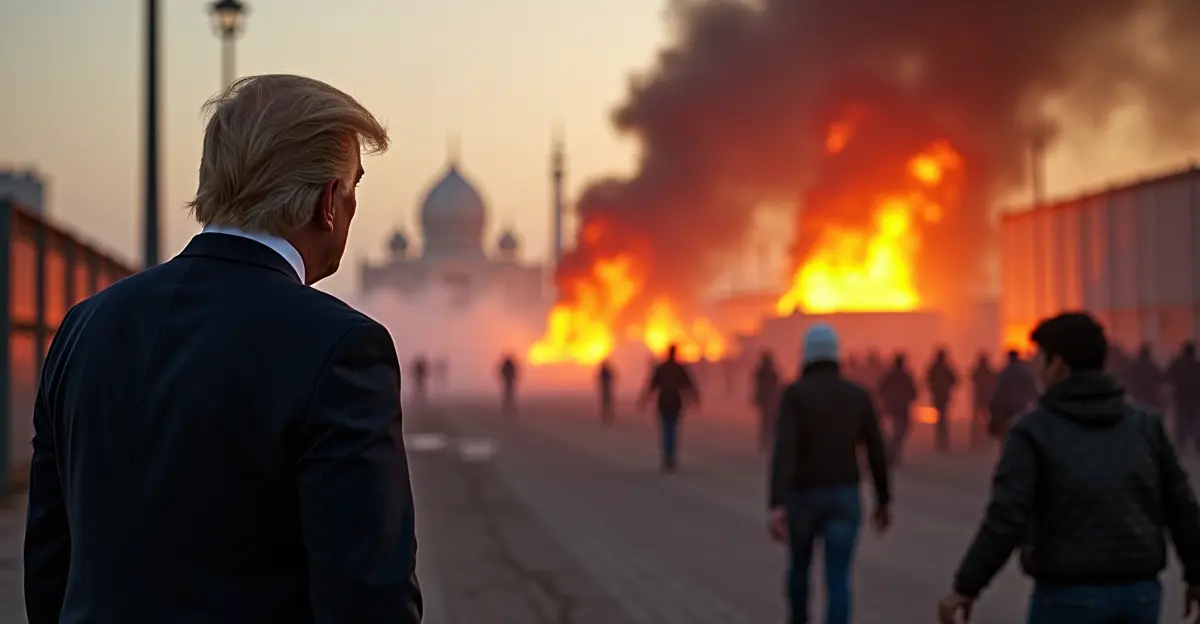





Trump Announces Sweeping Trade Penalties Amid Iran Protests
In a dramatic escalation of economic pressure on Iran, former President Donald Trump has announced that the United States will impose a 25% tariff on all countries that conduct business with the Islamic Republic. The announcement, made via Trump's Truth Social platform, comes as Iran faces its largest anti-government protests in years, with human rights organizations reporting at least 646 deaths and tens of thousands of arrests.
'With immediate effect, any country that does business with the Islamic Republic of Iran will pay a 25 percent tariff on all trade conducted with the United States. This decision is final and binding,' Trump wrote without providing further details. The White House has also declined to elaborate on the implementation specifics.
Targeting Iran's Trading Partners
The new tariff policy directly targets Iran's major economic partners, including China, Turkey, Russia, and the United Arab Emirates. China, as Iran's largest trading partner with significant oil imports, faces particularly severe consequences. According to trade analysts, this could push China's effective tariff rate on goods imported to the US to at least 45%, up from the current 20%.
Other nations likely to be affected include India, Iraq, Afghanistan, and Pakistan. The United Arab Emirates, Iran's second-largest trading partner with approximately $30 billion in annual trade, also faces substantial economic disruption.
'This forces countries to choose between access to the American market and continued trade with Tehran,' noted a trade policy expert from the Financial Times. 'It's a classic Trump move - using economic leverage to achieve geopolitical objectives.'
Context of Ongoing Protests
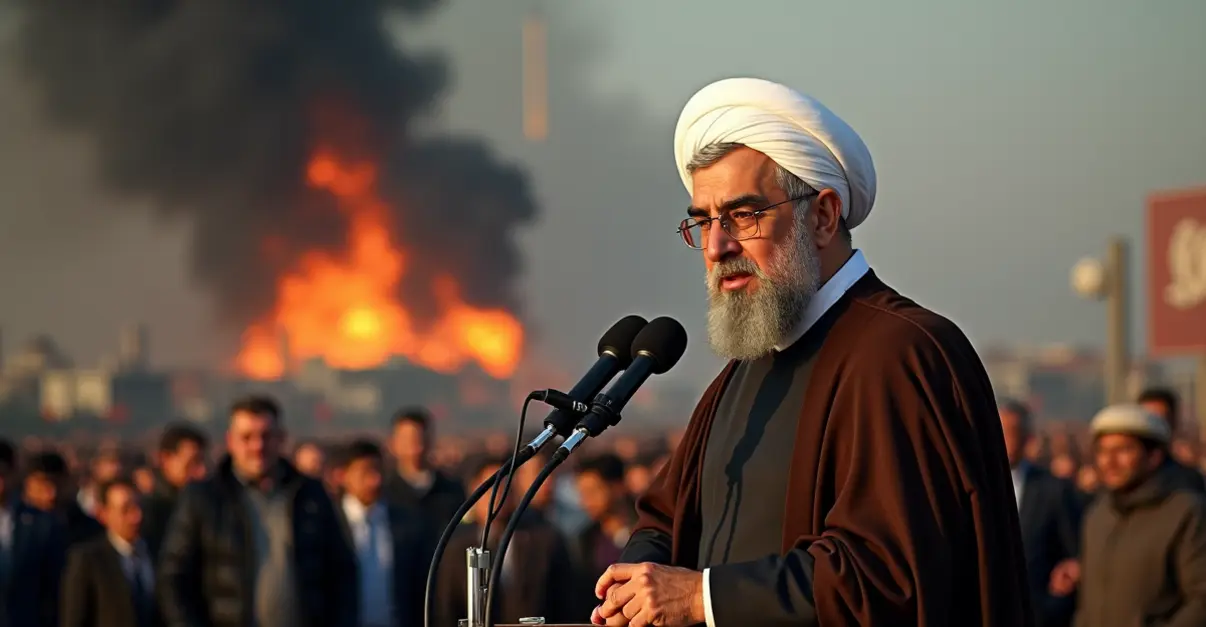
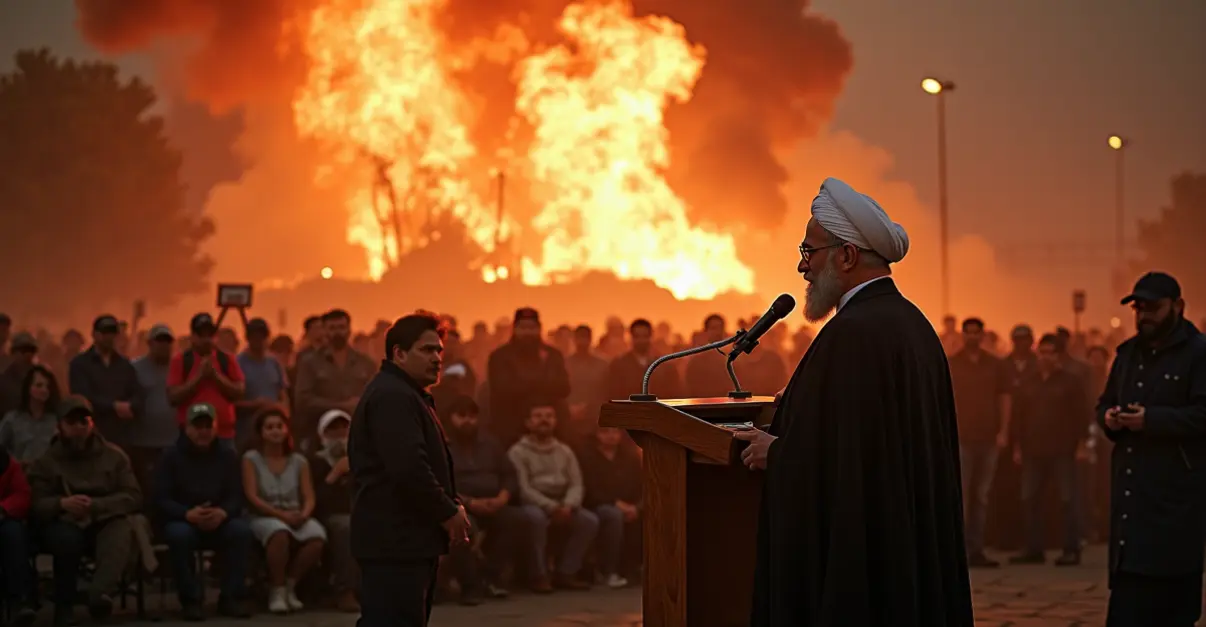
The tariff announcement comes amid escalating violence in Iran, where protests that began over economic grievances have evolved into broader demands for political freedom and women's rights. According to AP News, the death toll has reached at least 646 people, with security forces using lethal force against demonstrators.
Iranian authorities have imposed an 84-hour internet blackout, severely limiting information flow about the protests. The Basij paramilitary force, an auxiliary arm of Iran's Revolutionary Guard Corps, has played a key role in suppressing the unrest.
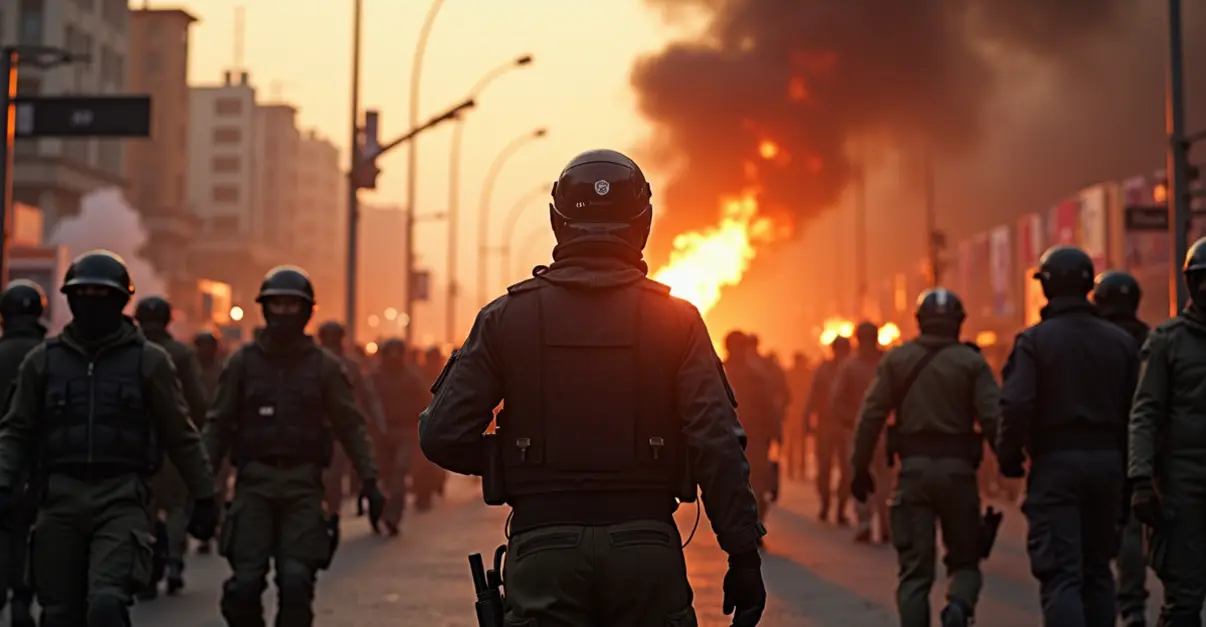
'The situation in Iran is dire, with authorities unleashing a deadly crackdown on largely peaceful protesters,' reported Amnesty International. 'Security forces have unlawfully used rifles, shotguns with metal pellets, water cannon, tear gas, and beatings against demonstrators.'
Legal Basis and International Response
Trump appears to be using the International Emergency Economic Powers Act (IEEPA) to impose these tariffs, though this authority is currently being challenged in the Supreme Court. A verdict expected soon could affect his tariff authority and potentially require refunds of $130 billion in tariff revenue.
China has already responded, opposing what it calls 'illicit unilateral sanctions' and vowing to protect its interests. The European Union is considering additional sanctions over Iran's repression of demonstrations, creating a complex web of international economic pressures.
The United States has maintained various economic, trade, scientific and military sanctions against Iran since 1979, administered by the Office of Foreign Assets Control (OFAC). These latest measures represent a significant escalation in the long-standing economic confrontation between Washington and Tehran.
Military Options Still on Table
Trump has previously threatened military intervention in Iran if evidence emerges that the regime is using deadly force against demonstrators. According to CNN, the former president has received multiple military scenarios from his staff but has not yet made a definitive decision.
'I remain unafraid to deploy military force if necessary,' Trump stated earlier this week, while the White House emphasized diplomacy as the first resort.
The tariff announcement represents Trump's latest attempt to isolate Iran economically while supporting anti-government protesters. However, experts warn that such measures could also harm ordinary Iranians already suffering from economic hardship and could further complicate international efforts to address the human rights crisis in the country.