


 Deutsch
 English
 Español
 Français
 Nederlands
 Português


 Share





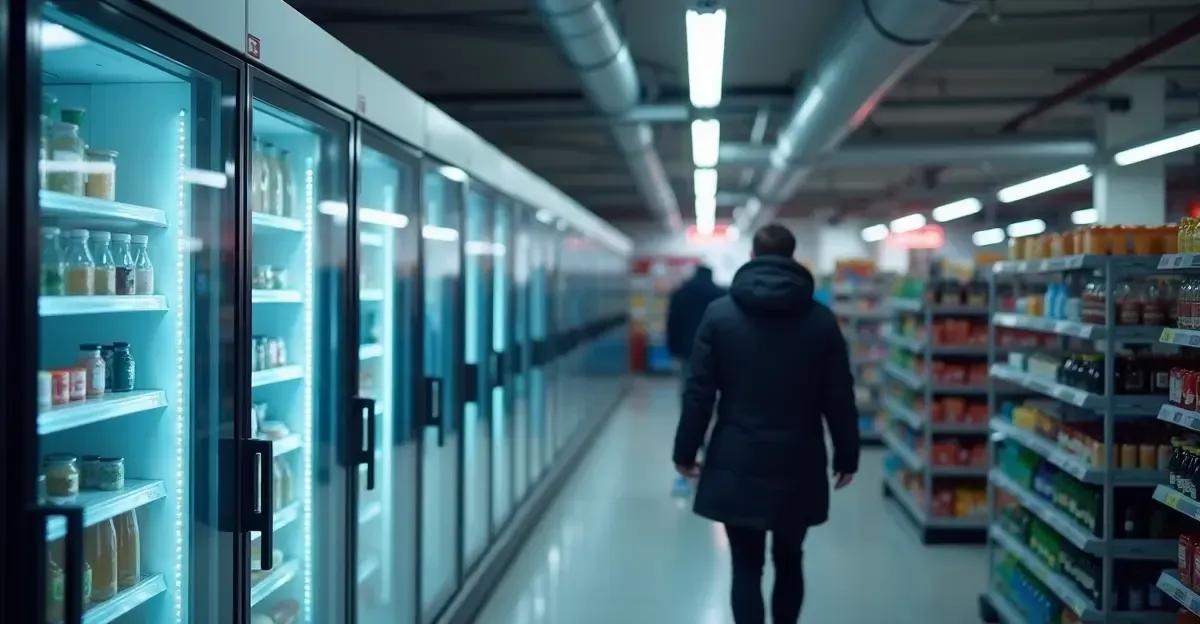
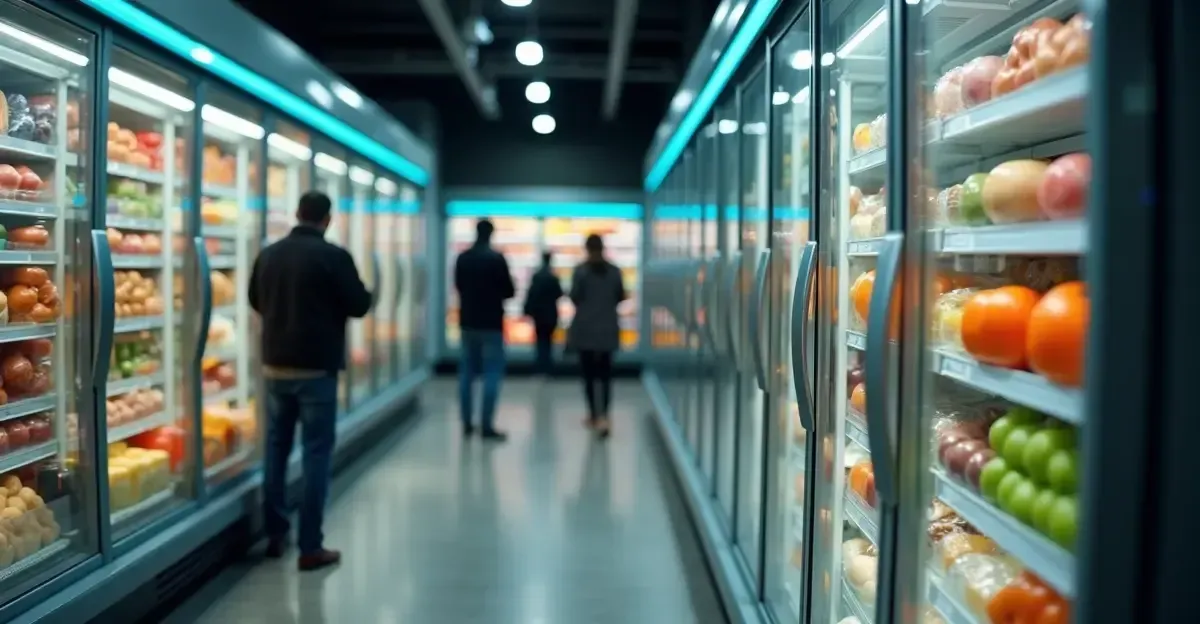
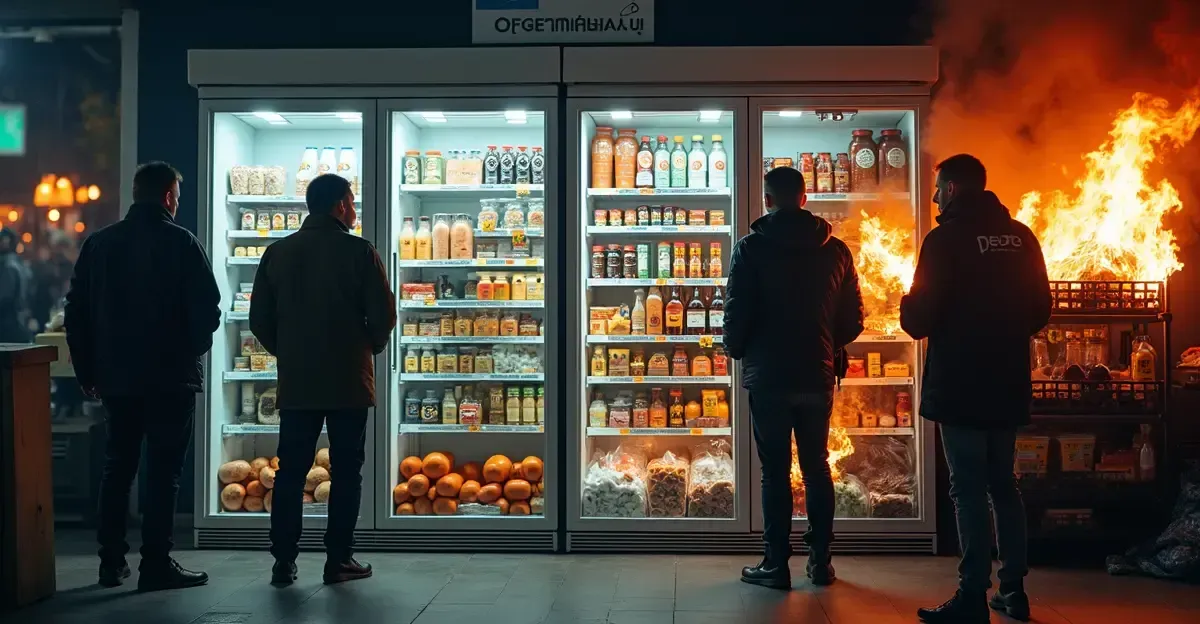
Cyber-attacks raised European supermarket freezer temperatures across at least 10 countries overnight on 2 November 2026, forcing retailers from Estonia and Sweden to Portugal and Italy to discard spoiled food. The same wave of intrusions hit UK meat processors, prompting the National Cyber Security Centre (NCSC) to work overnight with affected firms while assessing the national impact as minimal. Cybersecurity experts describe the incidents as limited in effect but potentially the foothills of a wider threat to cold-chain and food-supply infrastructure.
How the Freezer Cyber-Attacks Worked
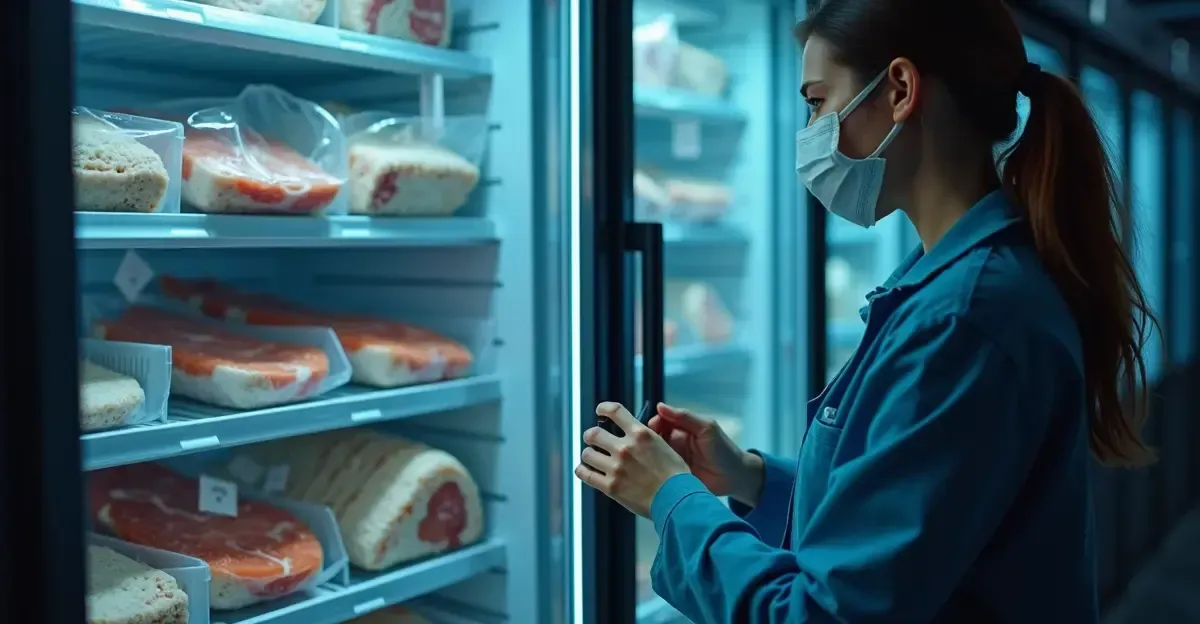
The hackers did not steal data or demand ransom. Instead, they accessed internet-exposed refrigeration controllers—many made by Danfoss and Copeland—and forced heating elements into a continuous defrost cycle. Normally used briefly to clear frost from evaporator coils, defrost mode raised internal temperatures as high as 50°C (122°F), and some UK units reportedly reached 100°C (212°F). Vulnerabilities included unpatched legacy firmware, default credentials such as 'admin', and controllers connected directly to the public internet. Security researchers operating honeypot Danfoss controllers recorded 256 attempted attacks from 91 sources, with infrastructure overlapping networks previously linked to Russian malicious operations. The episodes underscore long-standing weaknesses in operational technology security that have accumulated across the food sector.
Timeline and Geographic Spread
The first major incident struck hundreds of French supermarkets on 11–12 October 2026, spoiling food worth tens of millions of euros and causing some fires and water damage. A second, wider wave followed on the night of 1–2 November across Belgium, Luxembourg, Sweden, Ireland, the Netherlands, Estonia, Finland, Portugal, Italy, Romania and Germany. Ahold Delhaize said about 40 Delhaize stores in Belgium and Luxembourg were affected and warned of up to €250 million in lost quarterly sales. Chains including ICA, Coop, Carrefour, Intermarché and Musgrave also reported disruptions. The pattern resembles a smaller freeze failure at US military bases, now suspected to be a hack. This coordinated wave has intensified scrutiny of EU cold chain disruption and its resilience.
Affected Countries and Retailers
- France: about 700 stores in October, including Intermarché and Carrefour.
- Belgium and Luxembourg: roughly 40 Delhaize stores.
- Sweden, Ireland, the Netherlands, Estonia, Finland, Portugal, Italy, Romania and Germany: ICA, Coop, Musgrave, Carrefour and other chains.
UK Meat Processors and the NCSC Response
The British Association of Independent Meat Suppliers said some of its 300-plus members were hit as 'collateral'. Two members' fridges began defrosting and a third reported cold units reaching 100°C, though the devices were empty so no meat was lost. London wholesaler Langridge Organic stopped an attack by unplugging six of its ten Copeland-controlled fridges from the internet. The NCSC said it was aware of 'a couple of instances' of exploited vulnerable technology in the UK and worked overnight to alert dozens of potentially affected organisations, calling the national impact minimal. NCSC chief executive Richard Horne said the incidents exposed decades of underinvestment in operational technology and warned that ageing, unpatched, internet-connected systems are easy targets for hackers, especially aided by AI. The response has renewed debate about UK critical infrastructure cyber defence funding and regulation.
Why Experts Call It the Foothills of a Wider Threat
No group has claimed responsibility or demanded ransom. France has accused Iran's Islamic Revolutionary Guard Corps and Shahid Kaveh; Italy cited specialists linked to Iran, China and Russia. Researchers testing fake Danfoss controllers found attack infrastructure overlapping that previously tied to Russian operations. Experts say the low-impact but high-visibility sabotage may be a test run or signalling rather than a financial operation. These are the foothills of a wider cyber threat, one analyst told The Guardian, warning that distribution centres, hospitals and other temperature-dependent systems could be next. That assessment aligns with broader warnings about state-sponsored cyberattacks 2026 targeting civilian infrastructure.
FAQ: Freezer Cyber-Attacks and Cold-Chain Security
What happened in the European supermarket freezer cyber-attacks?
Hackers remotely accessed internet-connected refrigeration controllers and forced defrost cycles, raising freezer temperatures to as much as 50°C in at least 10 European countries and spoiling food.
How did attackers raise freezer temperatures?
They exploited unpatched legacy controllers, default passwords and direct internet exposure to switch heating elements into continuous defrost mode instead of cooling mode.
Were UK supermarkets directly affected?
No major UK grocery chain was directly hit. Some meat processors and a London wholesaler were affected as 'collateral', but empty units meant no meat was lost, and the NCSC assessed national impact as minimal.
Why do experts see this as a wider threat?
The attacks caused visible disruption without ransom or claims, suggesting a possible test run by hostile actors against critical infrastructure such as food distribution and hospitals.
How can food businesses protect cold-chain systems?
Apply patches, remove default credentials, segment refrigeration controls from the public internet, use offline backups and monitor for unusual defrost commands. Strengthening food supply chain cybersecurity is now urgent.
Conclusion
The NCSC has urged food businesses to update and secure ageing internet-connected systems, use automatic updates, offline backups and passkeys. As attackers increasingly use AI to find and exploit vulnerabilities, the supermarket freezer attacks may be remembered less for spoiled food than as an early warning for critical infrastructure everywhere.
Follow Discussion