


 Deutsch
 English
 Español
 Français
 Nederlands
 Português


 Share
Share




A 45-year-old man with amyotrophic lateral sclerosis (ALS) who lost the ability to speak and move has regained independent communication thanks to a brain-computer interface (BCI) implant, researchers from the University of California, Davis report in the journal Nature Medicine. The device, which translates neural signals into text and cursor movements, has allowed him to work, socialize, and express himself—marking a major step forward in assistive neurotechnology.
What Is a Brain-Computer Interface?
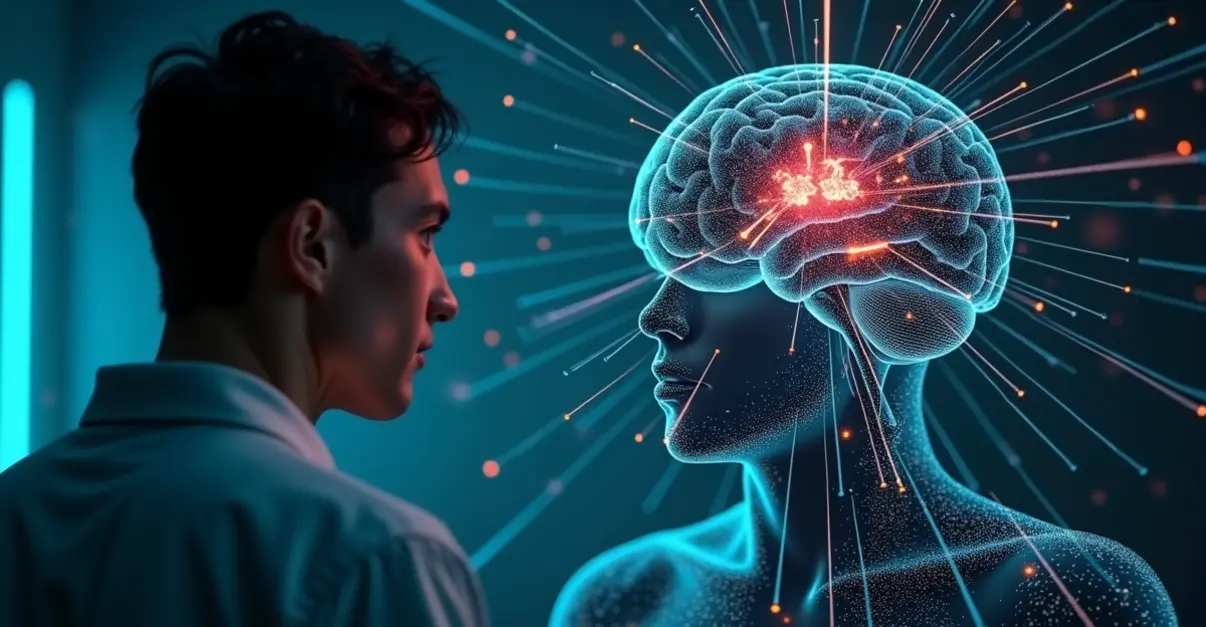
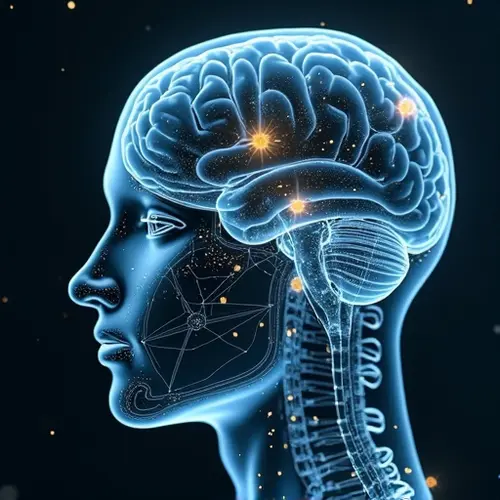
A brain-computer interface (BCI) is a direct communication link between the brain's electrical activity and an external device, such as a computer. In this case, 256 microelectrodes were surgically implanted into the patient's motor cortex—the brain region responsible for movement. By simply thinking about speaking or moving a cursor, the electrodes detect neural activity, which is then decoded by advanced algorithms into words on a screen or mouse commands.
The system, described as a 'Rolls Royce' of BCIs by experts, achieved over 99% word accuracy with a 125,000-word vocabulary and an average typing speed of 56 words per minute. Over 19 months, the patient used the device independently at home for more than 3,800 hours, generating nearly 2 million words through 183,060 sentences.
Unlike earlier BCIs that required letter-by-letter spelling, this device uses transformer-based brain-to-text decoders and RNN-based cursor decoders, enabling fluid, natural communication. The brain-computer interface technology also includes a text-to-speech system using a synthesized version of the patient's pre-diagnosis voice.
Transforming a Life: From Isolation to Connection
The patient, identified as Casey Harrell, was diagnosed with ALS six years ago and gradually lost his ability to speak, sing to his daughter, and work as a climate advocate. The implant has reversed that isolation. "I feel connected to my life again," Harrell wrote. He now sends texts, emails, participates in video calls, and has returned to full-time employment.
Mariska van Steensel, lead researcher at the UMC Utrecht Brain Center, commented: "The impact is enormous on a person's life. In earlier research, we saw how much it affects how you are seen as a human being if you cannot communicate well."
The device was implanted in July 2023 and has been operational for nearly two years. Harrell's care partner can now manage the setup, and features like privacy mode and a profanity filter give him full control. The 2025 brain implant advancements have paved the way for this level of independence.
How the Implant Works
The system relies on four arrays of 64 microelectrodes each, implanted in the speech motor cortex. A titanium pedestal on the skull connects the electrodes to a computer via a cable. When Harrell thinks about saying a word, the motor cortex activates, and the algorithms match the neural pattern to a word. The same process works for cursor control: he thinks about moving the mouse, and it moves.
Researchers emphasized that the system requires minimal recalibration and maintains high accuracy over time. On 364 out of 397 days, Harrell used the BCI successfully, with 92% of sentences decoded at least mostly correctly.
Challenges and the Road Ahead
While this breakthrough is remarkable, the technology is not yet ready for widespread use. The current system is bulky, requiring a physical cable and a large computer. Van Steensel compares it to a Rolls Royce: "It works very well, but only for this one man. A simpler, more robust system could work for more people."
Researchers worldwide are working on wireless BCIs, with companies in China, Europe, and the United States making rapid progress. However, Van Steensel estimates it will still take several years before such implants become commercially available. "We hope that more people with speech problems due to paralysis will benefit from these brain implants. It is a passionate field working hard on this."
The regulatory challenges for medical implants also need to be addressed before these devices can reach the market.
Impact on the Field of Neuroprosthetics
This study represents the longest-running independent speech communication for any BCI implant, marking a shift from research tool to practical medical device. The success with Harrell demonstrates that BCIs can restore not just basic communication but also quality of life, independence, and professional engagement.
Experts in cryptocurrency regulation might draw parallels to the ethical and privacy considerations of neural data. As BCIs become more common, questions about data security, consent, and accessibility will become critical.
Frequently Asked Questions
What is ALS?
Amyotrophic lateral sclerosis (ALS) is a progressive neurodegenerative disease that affects nerve cells in the brain and spinal cord, leading to loss of muscle control, paralysis, and eventually respiratory failure.
How does the brain implant help ALS patients?
The implant reads neural signals from the motor cortex and translates them into text or computer commands, allowing paralyzed patients to communicate and control devices using only their thoughts.
Is this brain implant available to the public?
No, it is still experimental and has only been tested in one patient. Researchers estimate it will take several more years before a commercial version is available.
What is the accuracy of the BCI?
The system achieves over 99% word accuracy with a 125,000-word vocabulary, and an average typing speed of 56 words per minute.
Can the implant be used wirelessly?
Currently, it requires a cable connection. However, researchers are developing wireless versions that could make the technology more practical for everyday use.

Follow Discussion