


 Deutsch
 English
 Español
 Français
 Nederlands
 Português


 Share
Share




What is Nexperia's China Production Strategy?
The Chinese unit of Dutch chipmaker Nexperia is poised to achieve full local semiconductor production in China by the second half of 2026, effectively bypassing European export restrictions that have plagued the global semiconductor supply chain. According to sources within the company speaking to AFP, Nexperia China has completed its transition from global to domestic production, marking a significant shift in semiconductor geopolitics that could reshape global chip supply chains for years to come.
Background: The Netherlands-China Chip Conflict
The current situation stems from a dramatic geopolitical confrontation in September 2025 when the Dutch government, citing national security concerns, seized control of Nexperia using Cold War-era legislation. Former Dutch Minister of Economic Affairs Vincent Karremans placed the Nijmegen-based chipmaker under curatele, fearing that Chinese CEO Wing Zhang might relocate European operations to China. This move followed years of tension between Western nations and China over semiconductor technology, similar to the US-China chip war restrictions that have dominated tech headlines.
'What the supply chain is concerned, we have completed the transition from global to domestic production in China,' a Nexperia China representative told potential clients during a Beijing corporate event, according to AFP sources.
How Nexperia China is Achieving Production Independence
Timeline and Capacity Targets
Nexperia China's production strategy follows a clear timeline:
- Current Status (Q1 2026): Operating at 60-70% capacity using stockpiles and domestic suppliers
- Q2 2026 Target: Reach 90% capacity for popular products
- Second Half 2026: Achieve full localization for most chips, including automotive semiconductors
Key Production Facilities
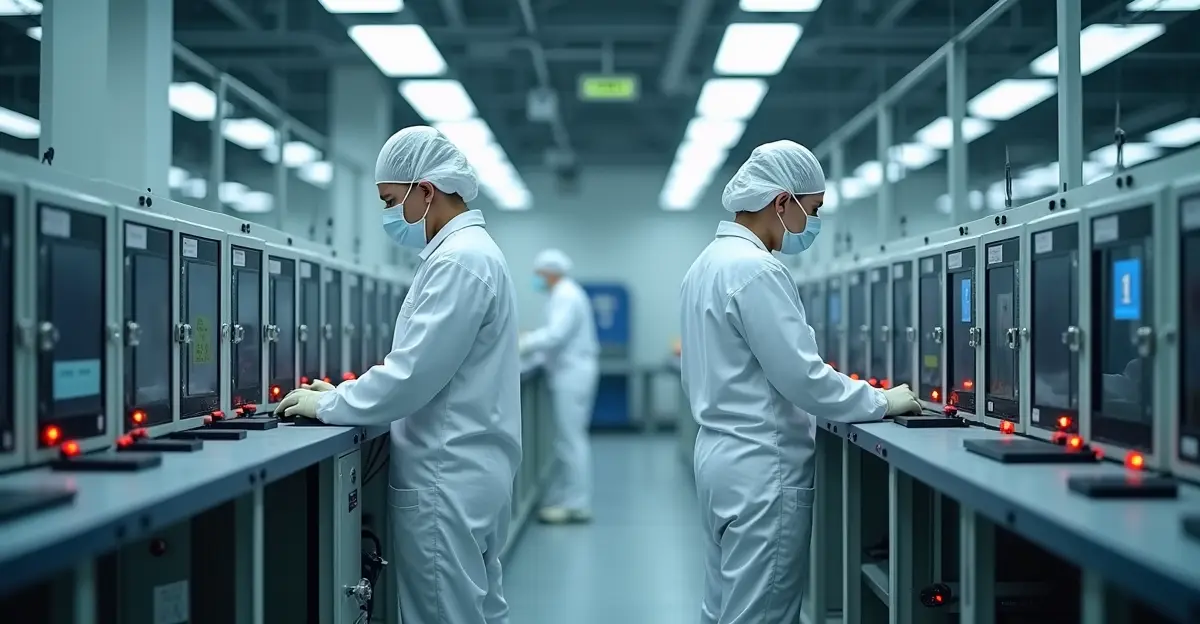
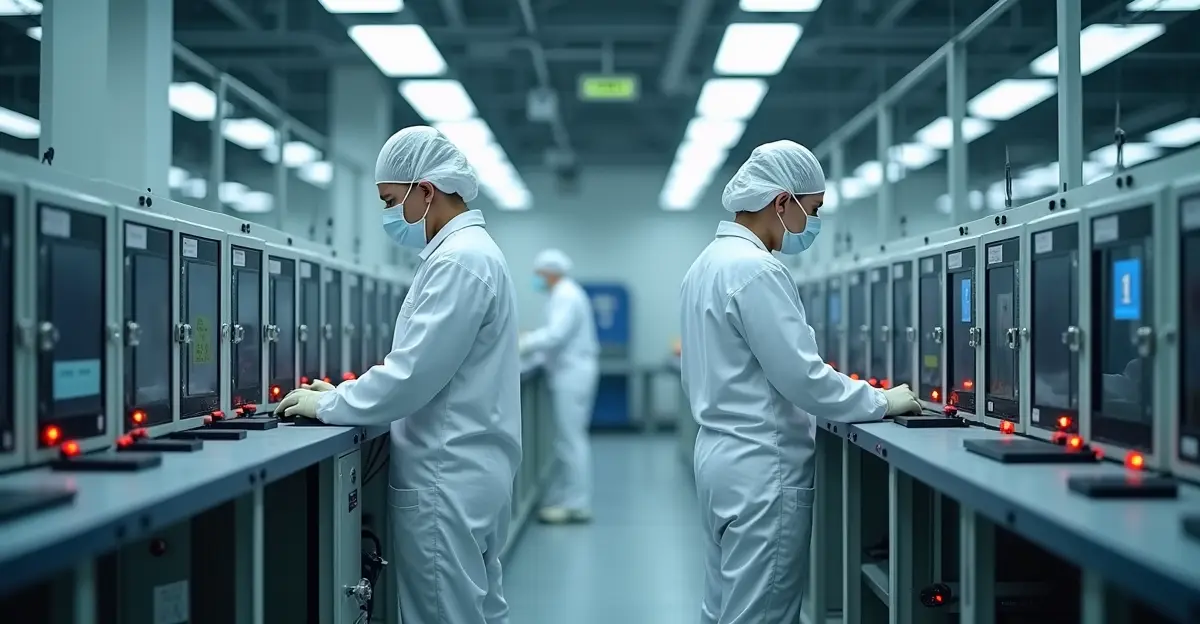
The company has established two main production centers in China:
- Dongguan Packaging Factory: Handles final chip assembly and testing
- Shanghai Wafer Factory: Produces 12-inch wafers using domestic materials
Export Restrictions vs. Local Production: A Comparison
| Aspect | European Export Restrictions | Nexperia China Local Production |
|---|---|---|
| Supply Source | European wafer supplies cut off since October 2025 | Domestically made 12-inch wafers |
| Production Control | Subject to Dutch government oversight | Independent Chinese operations |
| Geopolitical Risk | High - subject to international tensions | Reduced - operates within China's ecosystem |
| Supply Chain Length | Global, vulnerable to disruptions | Localized, more resilient |
Impact on Global Semiconductor Markets
The shift toward local production represents more than just a corporate strategy—it signals a fundamental realignment in semiconductor geopolitics. Automotive manufacturers, who rely heavily on Nexperia's chips for vehicle electronics, have already experienced production disruptions due to the supply chain conflict. The company's move toward Chinese self-sufficiency mirrors broader trends in semiconductor supply chain localization seen across Asia.
Industry analysts note that Nexperia's situation exemplifies the growing bifurcation of global chip ecosystems, where Western and Chinese supply chains are increasingly operating independently. This development comes amid ongoing US-China trade tensions that have seen both nations implement various export controls and restrictions on semiconductor technology.
Legal and Diplomatic Implications
The Amsterdam Court of Appeals has ordered a formal investigation into Nexperia's management, citing potential mismanagement and conflict of interest issues. Meanwhile, China has reportedly sought diplomatic talks with the Netherlands regarding semiconductor technology following the Nexperia controversy. These developments highlight how corporate decisions in the semiconductor sector now carry significant geopolitical weight, affecting international relations between major economic powers.
FAQ: Nexperia China Production Questions Answered
What chips can Nexperia China produce locally?
Nexperia China expects to produce most of its chip portfolio locally by late 2026, including critical automotive semiconductors, bipolar transistors, diodes, ESD protection devices, TVS diodes, MOSFETs, and logic devices.
How will this affect European car manufacturers?
European automakers that previously relied on Nexperia's European production may face continued supply challenges, though some sales have resumed through 'drip-feed' arrangements. The long-term impact depends on how quickly alternative suppliers can scale production.
Is this legal under international trade rules?
The situation exists in a legal gray area. While producing chips locally in China isn't inherently illegal, bypassing export restrictions through production relocation raises complex questions about intellectual property transfer and compliance with international sanctions.
What happens to Nexperia's European operations?
Nexperia's European and Chinese divisions now operate essentially as separate entities. The European operations continue with expanded Malaysian production, while the Chinese unit pursues full localization.
Could this trigger similar moves by other chip companies?
Industry experts believe Nexperia's situation could encourage other multinational semiconductor companies with Chinese operations to consider similar localization strategies, particularly if geopolitical tensions continue to escalate.

Follow Discussion