


 Deutsch
 English
 Español
 Français
 Nederlands
 Português


 Share
Share




Biometric Payments Gain Momentum in Retail Trials
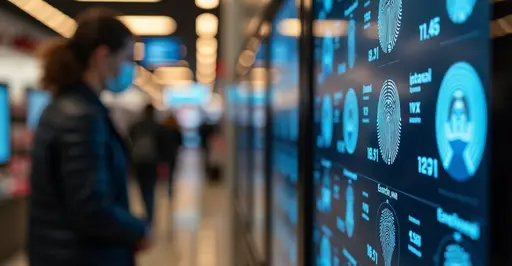
In 2025, biometric payment systems are transforming how consumers pay at shops, with palm-scan and face-pay technologies being trialed globally. Major players like JPMorgan Chase are leading the charge, planning a broad rollout after successful pilots. According to American Banker, JPMorgan partnered with PopID to test these systems at events like the Formula 1 Miami Grand Prix, reducing checkout times to under 90 seconds. The technology uses infrared cameras for palm-vein scanning and mobile enrollment for facial recognition, boasting no false positives in tests. "This isn't just about speed; it's about security and loyalty integration," said a JPMorgan spokesperson. Early adopters like Steak n Shake have seen a 4% transition rate to face payments, indicating growing consumer acceptance.
Privacy Concerns and Regulatory Landscape
Despite the convenience, biometric payments spark intense privacy debates. As reported by NPR, 23 states have enacted laws regulating biometric data, with Illinois requiring written consent and allowing lawsuits against companies. High-profile settlements, such as Google paying $1.4 billion, highlight the risks. "Biometric data is unique and irreplaceable; a breach could have lifelong consequences," noted a privacy advocate. The lack of federal legislation creates a patchwork of rules, complicating compliance for businesses expanding these systems.
Global Adoption and Future Outlook
Internationally, companies like Amazon and Tencent are pushing palm-based payments. Biometric Update details partnerships, such as Tencent and Visa launching palm recognition in Singapore. Amazon's Amazon One system is already in all Whole Foods stores in the U.S., aiming to make physical wallets obsolete. However, experts warn of exclusion issues for people with disabilities or those wary of data sharing. "We must balance innovation with ethical data handling," emphasized a tech analyst. As trials continue, 2025 could be a pivotal year for biometric payments, shaping the future of retail transactions.





Follow Discussion