


 Deutsch
 English
 Español
 Français
 Nederlands
 Português


 Share
Share




Major Airports Embrace Contactless Biometric Boarding Systems
Airports worldwide are rapidly expanding contactless biometric boarding systems in 2025, promising faster passenger processing while raising significant privacy concerns. The technology, which uses facial recognition and other biometric data to verify passenger identities, is transforming how travelers move through airports from check-in to boarding gates.
Efficiency Gains and Passenger Throughput
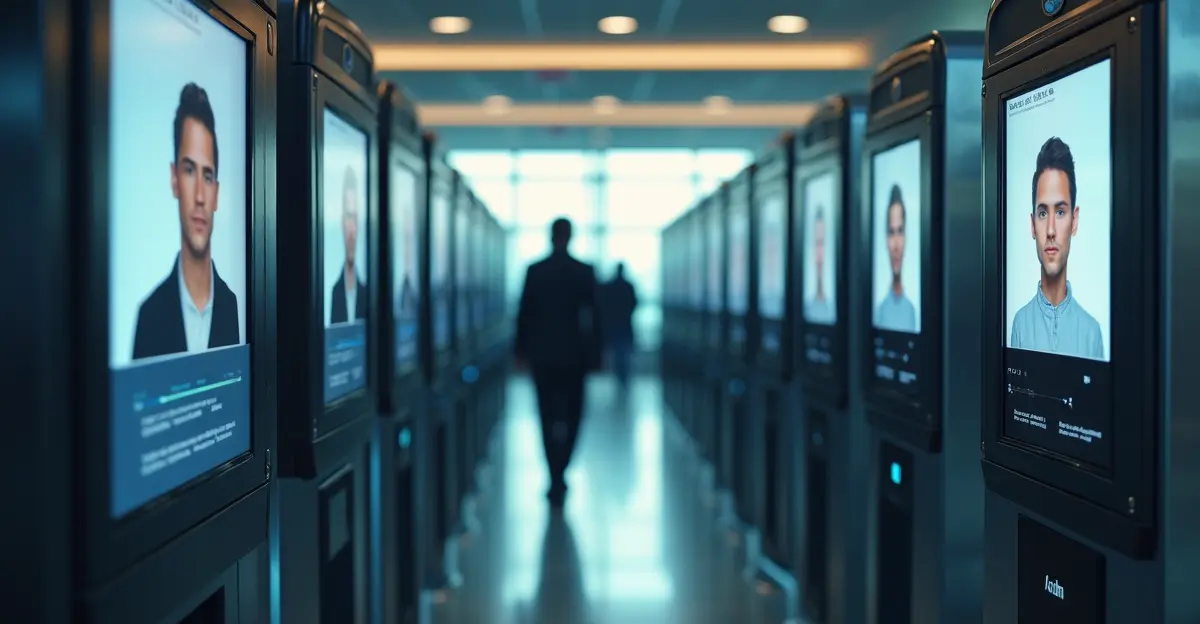
According to recent industry reports, over 60% of major airports now offer biometric boarding options, up from just 35% in 2023. 'Biometric processing has reduced our average boarding time by 40%, allowing us to turn around aircraft much faster,' says Sarah Johnson, operations director at a major international airport. The technology enables passengers to walk through security and boarding gates without presenting physical documents, using their faces as digital boarding passes.
A recent Sita report reveals that 62% of travelers now prefer biometric checkpoints over traditional border counters, with comfort levels rising as consumers become accustomed to using biometric identification for everyday tasks like unlocking smartphones.
Privacy and Data Security Concerns
Despite the efficiency benefits, privacy advocates are sounding alarms about the rapid expansion of biometric surveillance systems. 'We're creating a massive surveillance infrastructure without adequate privacy safeguards,' warns Michael Rodriguez of the Electronic Frontier Foundation. 'Once biometric data is collected, it can't be changed like a password if compromised.'
The Commission on Seamless and Secure Travel has recommended expanding biometric technologies, but civil liberties organizations express concerns about potential misuse of biometric data and inadequate transparency about how AI systems operate.
System Integration Challenges
Integrating these advanced systems presents significant technical challenges. Airports must coordinate with multiple stakeholders including airlines, security agencies, and technology providers. 'The biggest hurdle isn't the technology itself, but ensuring all systems work together seamlessly,' explains David Chen, a technology integration specialist. 'We're dealing with legacy systems that weren't designed for this level of biometric integration.'
According to Airport Operations 2.0 analysis, successful implementation requires gap assessments, pilot programs, and partnerships with cybersecurity-focused technology firms to maintain compliance and public trust.
Regulatory Landscape and Future Outlook
The regulatory environment is evolving rapidly. The TSA is expanding facial recognition technology at security checkpoints across 84 airports, with plans to reach over 400 federalized airports. However, only 3% of travelers report having no concerns about biometric identification, with data security and identity theft remaining key worries.
'We're at a critical juncture where we need to balance security benefits with fundamental privacy rights,' says privacy attorney Lisa Thompson. 'Travelers should have meaningful choices about how their biometric data is used and stored.'
As airports continue their digital transformation, the debate over contactless biometric boarding highlights the ongoing tension between technological innovation and individual privacy rights in modern air travel.

Follow Discussion