


 Deutsch
 English
 Español
 Français
 Nederlands
 Português


 Share
Share




The Future of Remote Work: Beyond Earth's Atmosphere
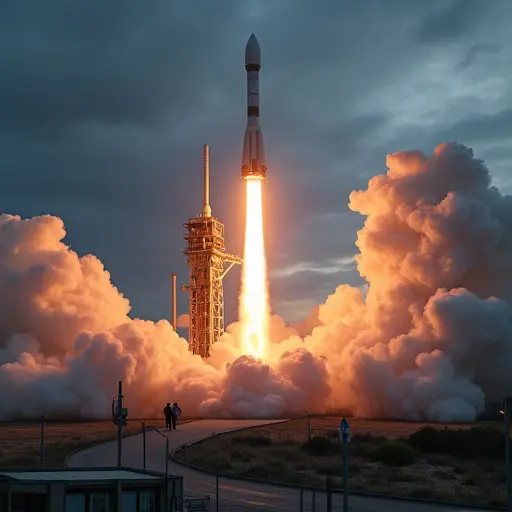
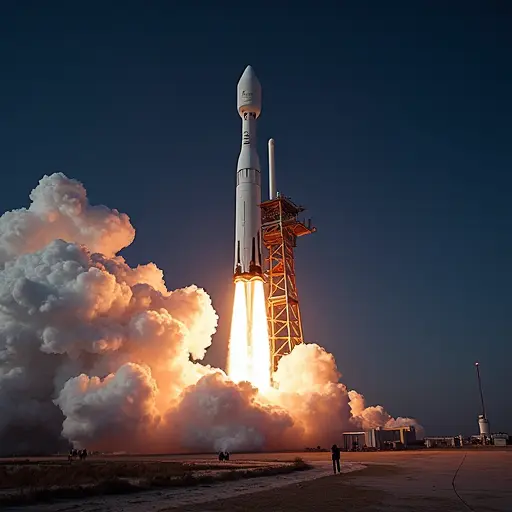
Space tourism companies are actively developing orbital habitats that could soon host remote workers. Blue Origin's New Shepard and SpaceX's Starship programs aim to make space accessible to hundreds annually by 2026. Virgin Galactic targets 1,000 passengers per year, signaling a shift from exclusive astronaut missions to commercial spaceflights.
The Economics of Orbital Living
While suborbital flights might drop to $200,000-$300,000 by 2030, orbital stays remain expensive at $50-$60 million per seat. SpaceX's Starship could slash orbital costs to $10 million by 2030. The space tourism market, valued at $1 billion in 2023, could reach $10-$15 billion by 2030.
Habitat Developments
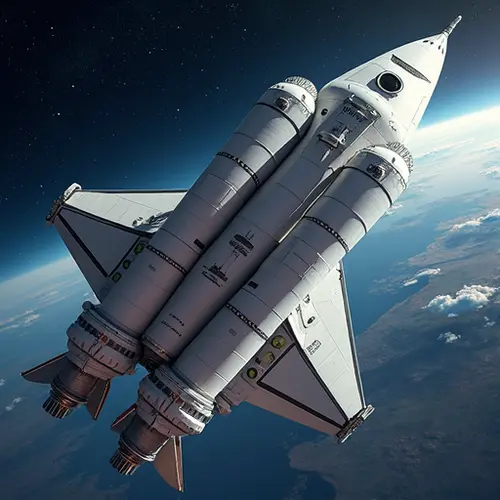
NASA Ames/Stanford studies from the 1970s envisioned rotating space colonies like the Bernal Sphere and Stanford Torus. Today, Axiom Space plans three annual private missions by 2026, while Orbital Assembly develops the first commercial space station expected by 2027-2028. Artificial gravity systems for space hotels might debut by 2029-2030.
Challenges of Cosmic Commuting
Current spaceflight carries 1% fatality risk for orbital missions. Radiation exposure, muscle atrophy, and psychological factors require solutions before long-term habitation. Government regulations are expected to tighten by 2028 as commercial activity increases.
Corporate Space Race
Over 20 companies now develop space tourism services. Japan and UAE plan entries by 2026-2027, while China's state-backed program could disrupt the market. Lunar tourism might become a $5 billion industry by 2035, with SpaceX's DearMoon mission circling the Moon in 2027.
The New Digital Frontier
With 20,000+ people already signed for suborbital flights and 5 million high-net-worth individuals interested, space could host 3,000+ people annually by 2030. As connectivity improves through projects like Starlink, the phrase 'working remotely' may soon include coordinates in low Earth orbit.



Follow Discussion