


 Deutsch
 English
 Español
 Français
 Nederlands
 Português


 Share
Share




Private Spaceflight Enters New Era with Crew Rotation Missions
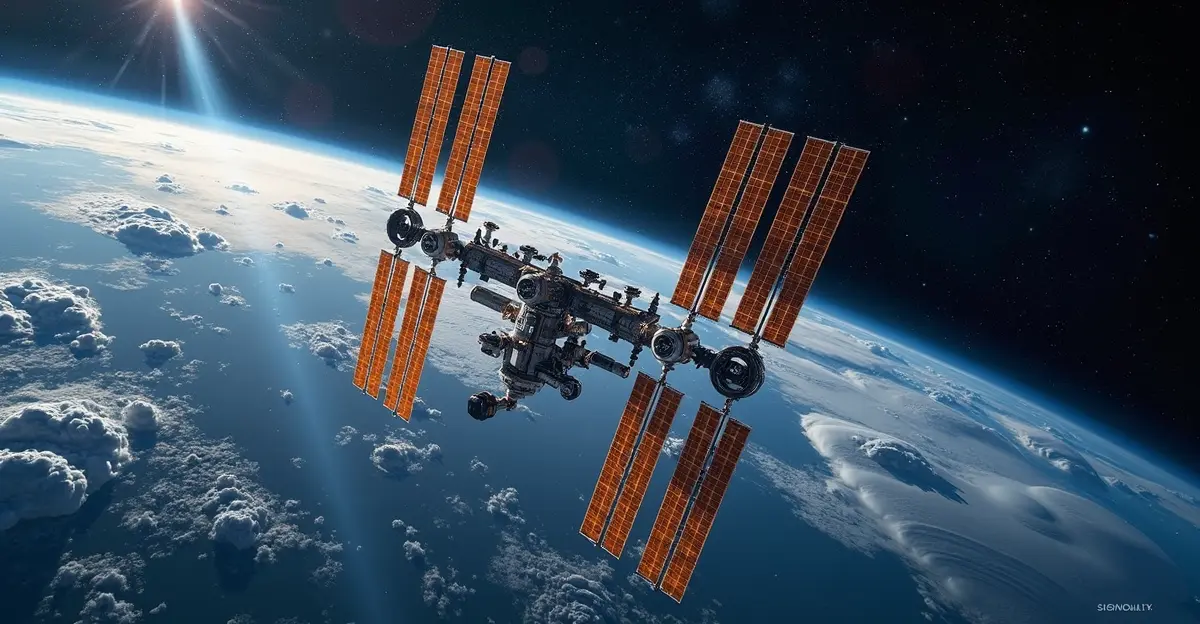
The commercial space industry is undergoing a dramatic transformation as private companies take on the critical role of transporting astronauts to and from the International Space Station. What began as government-led space exploration has evolved into a competitive marketplace where companies like SpaceX and Boeing are developing and operating crew transportation systems under NASA's Commercial Crew Program.
Safety Regulations Under Scrutiny
The Federal Aviation Administration (FAA) oversees commercial human space flight safety, but faces significant limitations in regulating occupant safety until January 1, 2028, due to a congressional moratorium. 'The FAA's current authority focuses primarily on public safety and National Airspace System protection rather than direct oversight of passenger safety,' explains a recent Congressional Research Service report. This regulatory gap has raised concerns as commercial crew missions become more frequent.
NASA maintains responsibility for crew safety during Commercial Crew Program missions, while the FAA handles public safety through licensing. The agency recently received a final report from the Aerospace Rulemaking Committee on potential future occupant safety regulations, indicating that regulatory frameworks are evolving to match industry growth.
Market Demand Soars Despite Challenges
The private space market is projected to grow from $0.93 billion in 2024 to $2.59 billion by 2033, achieving a steady 12% compound annual growth rate from 2025-2033. 'We're seeing unprecedented demand for commercial space services across multiple sectors,' notes industry analyst Maria Chen. 'The global space economy reached $570 billion in 2023 and is projected to hit $2 trillion by 2040, with private companies now driving nearly 80% of industry activity.'
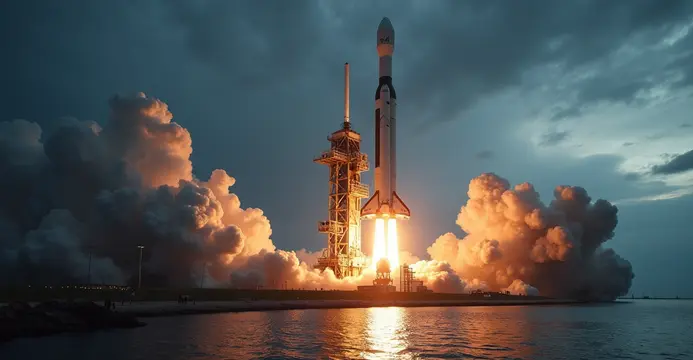
This growth is fueled by dramatic cost reductions in launch services, primarily driven by SpaceX's reusable rocket technology. The emergence of the cislunar economy presents new opportunities in infrastructure development, satellite servicing, and resource extraction.
Current Mission Updates and Challenges
Recent developments highlight both progress and challenges in commercial crew operations. NASA has reassigned astronauts from Boeing's troubled Starliner program to SpaceX's Crew-11 Dragon mission scheduled for July 2025. This reshuffling follows NASA's August 2024 decision to conclude the Boeing Starliner Crew Flight Test uncrewed after propulsion system issues.
'We're working diligently with Boeing to resolve the propulsion system anomalies identified during testing,' says NASA Commercial Crew Program manager Kathy Lueders. 'Safety remains our absolute priority, and we won't fly crew until we're completely confident in the system.'
Meanwhile, SpaceX continues its successful track record with Crew Dragon missions. The upcoming Crew-12 mission, scheduled for March 2026, will transport up to four crew members to the International Space Station, including ESA astronaut Sophie Adenot on her first spaceflight.
Future Outlook and Industry Evolution
The commercial space sector faces several key challenges as it matures. Space debris management has emerged as a significant concern, with 2,664 objects launched in 2023 alone. Regulatory frameworks must evolve to address this growing problem while supporting industry innovation.
'The next decade will establish a true off-world economy,' predicts space industry consultant Dr. Robert Takahashi. 'We're moving beyond government-led missions to commercially-driven space activities that include space-based energy generation, orbital construction, and sustained economic activity beyond Earth.'
As commercial crew missions become routine, the industry must balance rapid growth with safety considerations. The transition from experimental flights to regular crew rotations represents a critical milestone in the commercialization of space, with implications for future lunar missions and eventual Mars exploration.
For more information on commercial space regulations, visit the FAA Human Spaceflight page. Details about NASA's Commercial Crew Program are available at NASA's official website.




Follow Discussion