


 English
 Nederlands
 Deutsch
 Français
 Español
 Português

Search
-
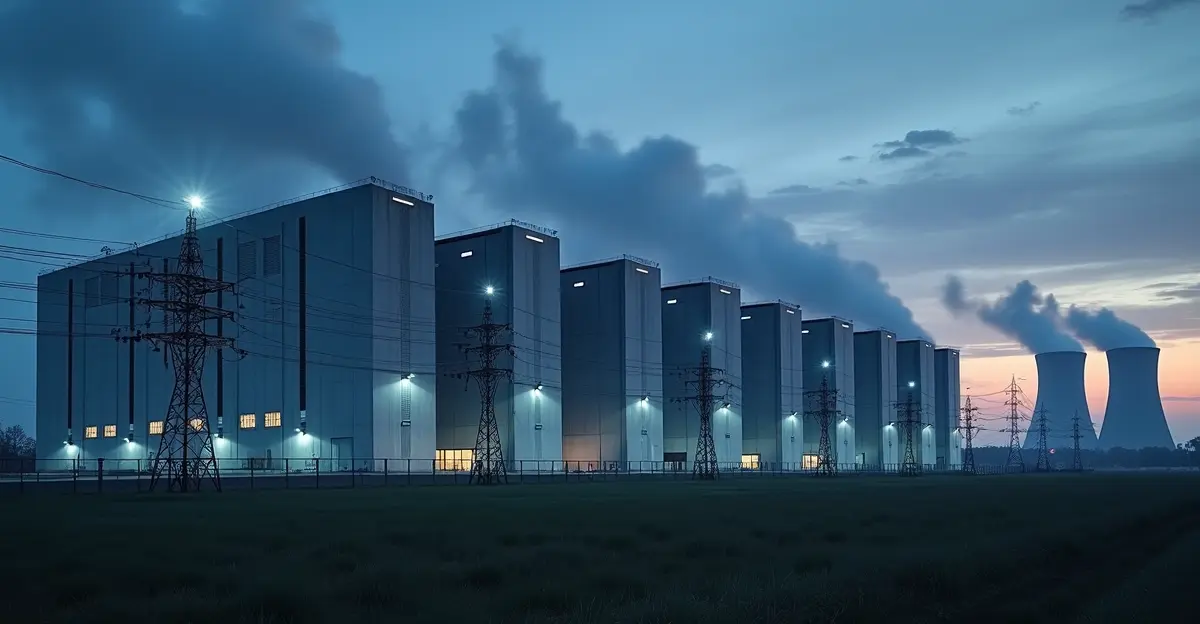
AI Energy Paradox Explained: How Compute Demand Reshapes Global Power Markets
AI data centers projected to consume 3% of global electricity by 2030, creating an energy paradox where efficiency tools impose massive carbon and water costs. Tech giants now drive 49% of corporate clean energy buying amid...
-
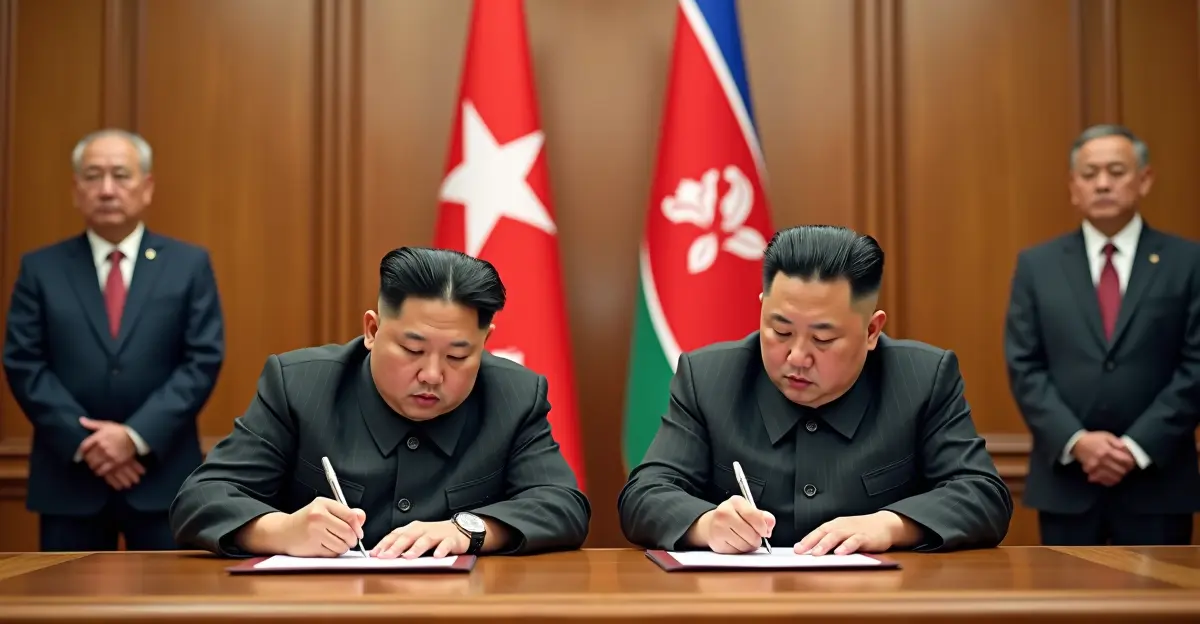
North Korea-Belarus Treaty Explained: New Anti-West Alliance Forms in 2026
North Korea and Belarus signed a comprehensive friendship treaty on March 26, 2026, strengthening ties between two Russian allies facing Western sanctions. The agreement covers economic cooperation and geopolitical alignment...
-

AI Governance Fragmentation: How U.S., EU & China Regulatory Divergence Shapes Global Tech Competition
AI governance is fragmenting as U.S., EU, and China pursue divergent regulatory approaches. The EU's risk-based AI Act, U.S. export controls, and China's state-centric model create competing paradigms shaping global tech...
-
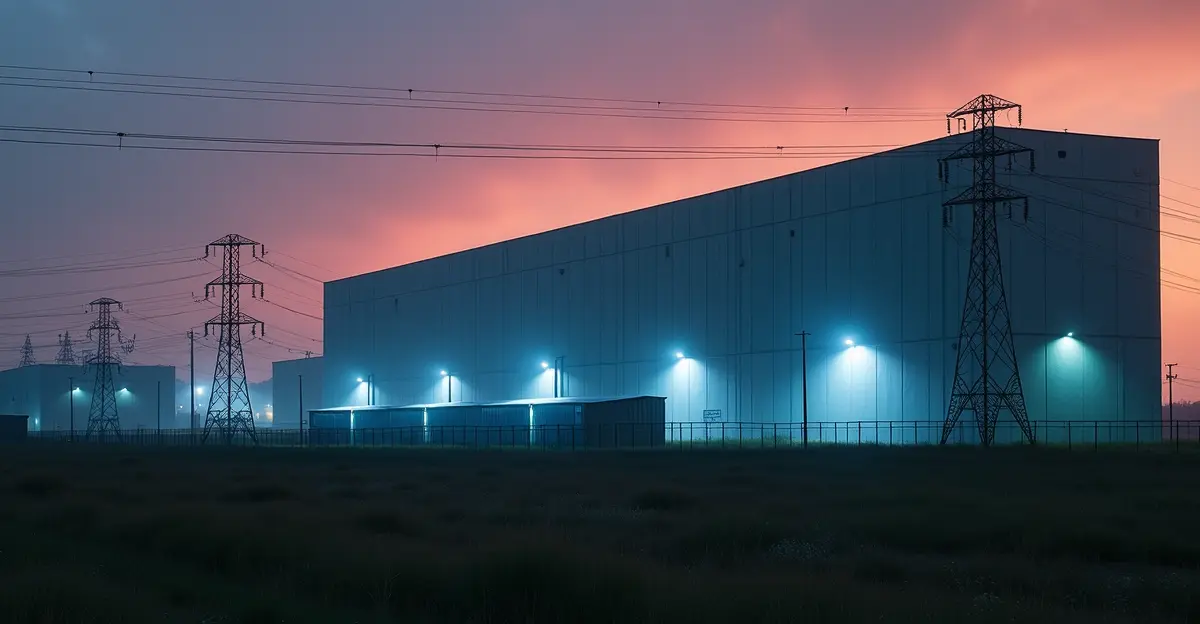
AI Energy Paradox Explained: How Artificial Intelligence's Power Demands Reshape Global Markets
AI data centers could consume 12% of U.S. electricity by 2028, tripling demand and reshaping global energy markets. Learn how this energy paradox strains grids, inflates prices, and creates geopolitical challenges.
-
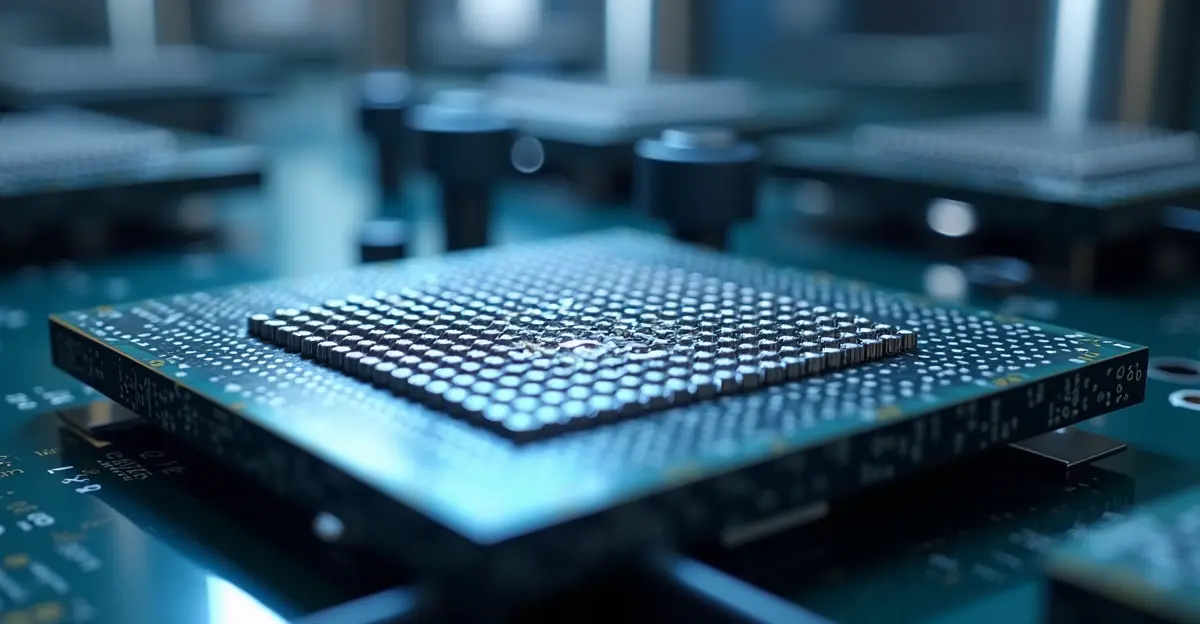
Google's Willow Quantum Chip: Strategic Implications for Global Tech Competition and National Security
Google's Willow quantum chip breakthrough in December 2024 solves problems in minutes that would take supercomputers 10 septillion years. This reshapes US-China tech competition and threatens global encryption systems with...
-
CBAM Explained: How EU Climate Tariffs Are Reshaping Global Trade | Geopolitical Analysis
The EU's Carbon Border Adjustment Mechanism (CBAM), operational since January 2026, imposes carbon costs on imports, sparking geopolitical tensions with China and developing nations. Discover how climate tariffs are reshaping...