


 English
 Nederlands
 Deutsch
 Français
 Español
 Português

Search
-

Geopolitical Fragility of Energy Systems: How Conflicts Accelerate Clean Energy Transitions
Geopolitical conflicts expose critical energy vulnerabilities, accelerating clean energy adoption for national security. IEA reports low-emissions sources will generate over 50% of global electricity before 2030. Discover how...
-

US Sanctions Relief Explained: Temporary Iran Oil Waiver to Curb Price Spikes
US temporarily lifts sanctions on Iranian oil shipments until April 19, 2026 to combat soaring prices above $126/barrel caused by Strait of Hormuz closure disrupting 20% of global supply.
-
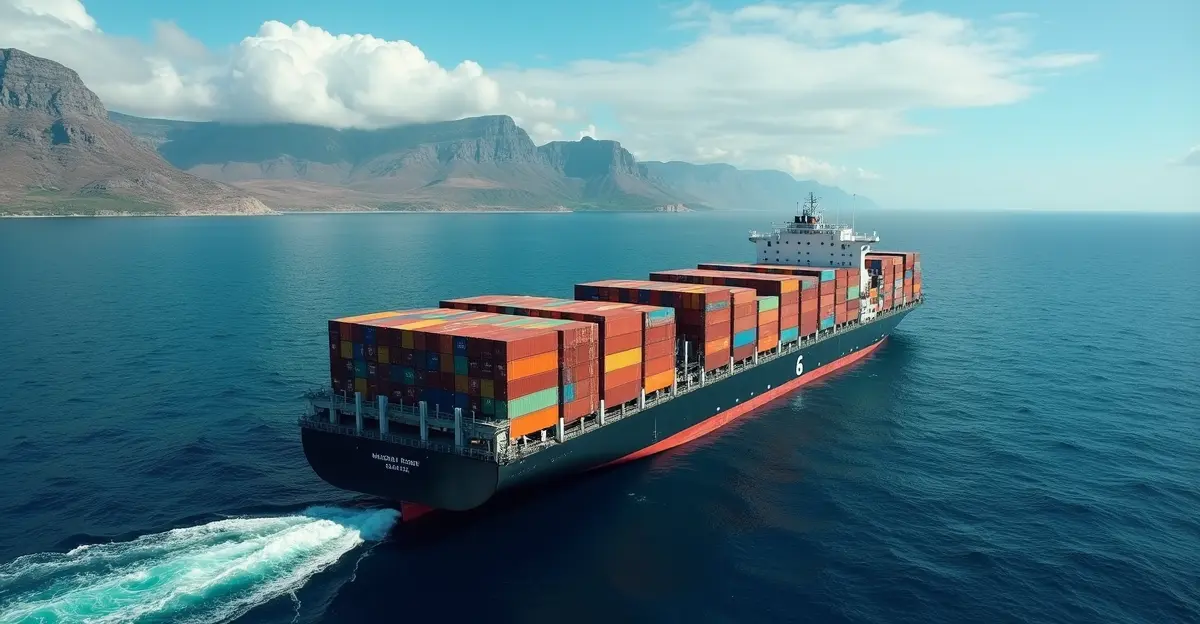
Red Sea Crisis Explained: How Shipping Disruptions Are Rewiring Global Trade Routes
The Red Sea shipping crisis has intensified in 2026, forcing vessels to reroute around Africa and adding 30% to transit times. Shipping costs have surged five-fold, impacting global supply chains and accelerating...
-

Central Bank Divergence: How 2025 Policy Splits Reshape Global Capital Flows | Analysis
Major central banks enter 2025 with unprecedented policy divergence: Fed at 3.5-3.75%, ECB cutting to 2.00-2.40%, BoE at 3.75%, and BoJ ending negative rates. This reshapes global capital flows, currency valuations, and...
-

Semiconductor Supply Chains: How Geopolitical Fractures Are Reshaping Global Tech Infrastructure
Geopolitical competition is fracturing global semiconductor supply chains into regional ecosystems. Taiwan produces 92% of advanced chips while US-China export controls and subsidies reshape tech infrastructure, creating...
-
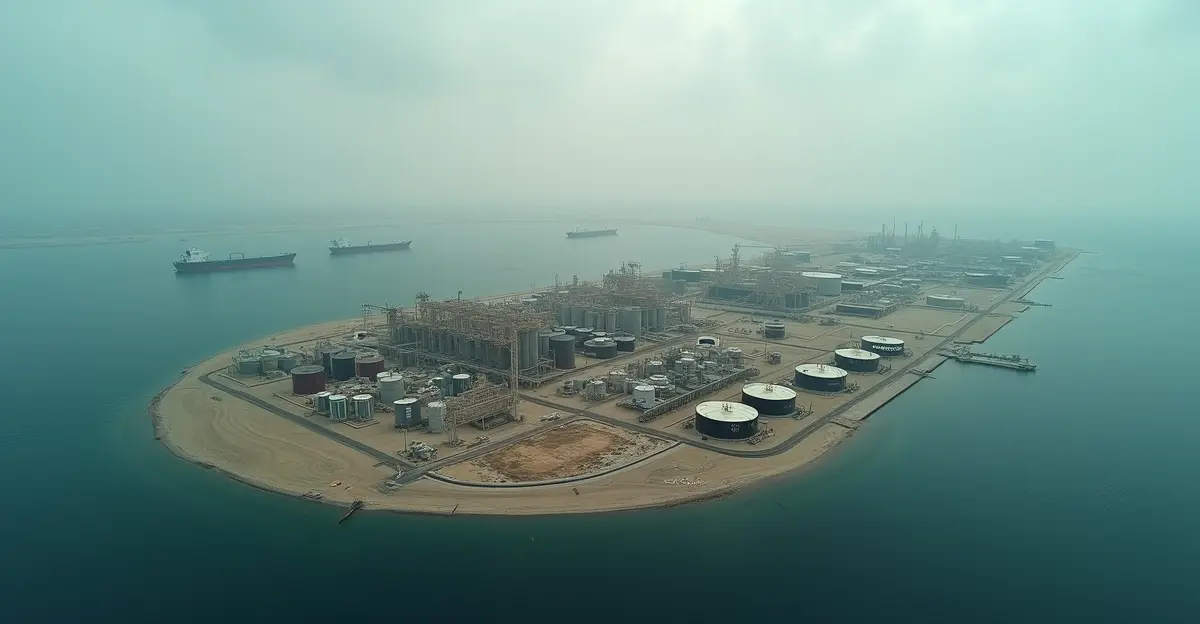
Trump Kharg Island Occupation Explained: Strategic Oil Hub Threat | Breaking
U.S. considers occupying Iran's Kharg Island to reopen Strait of Hormuz. The strategic oil hub handles 90% of Iran's exports, with potential global oil price impacts above $150 per barrel.