


 English
 Nederlands
 Deutsch
 Français
 Español
 Português

Search
-
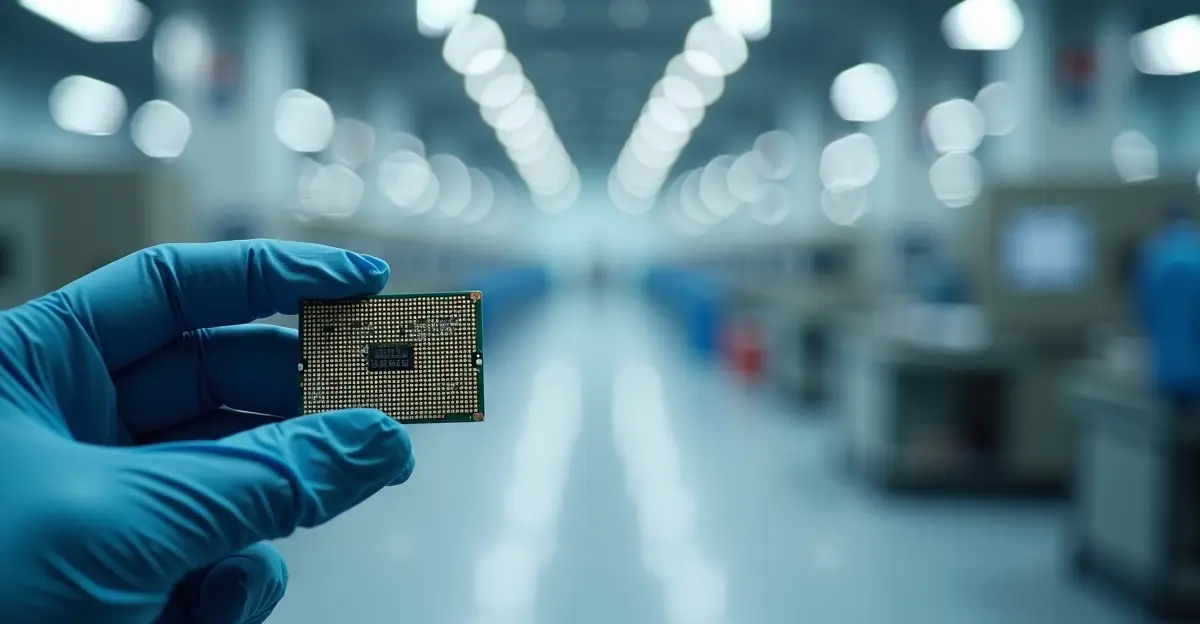
Semiconductor Concentration Paradox: How AI Dominance Creates Systemic Risk for Global Tech
AI chips will account for 51% of semiconductor revenue ($500B) but only 0.2% of volume by 2026, creating dangerous concentration where 3 companies control 80% of $9.5T market cap. This threatens global supply chains and non-AI sectors.
-

Trade Hydra 2026: How Global Supply Chains Battle Multiple Disruptions | Complete Analysis
Global trade faces a 'Hydra effect' in 2026 where resolving one disruption creates others. Despite record $35 trillion trade in 2025, companies implement multi-layered strategies including regionalization and AI logistics...
-
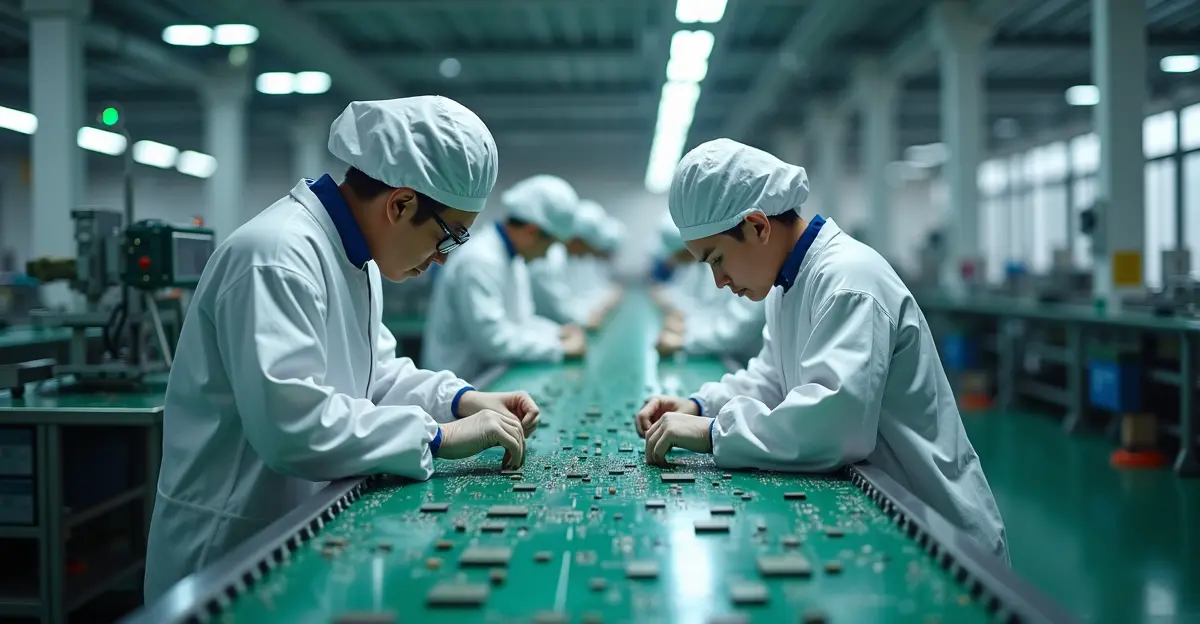
AI Trade Paradox: How Semiconductors Reshape Global Economy in 2026 | Analysis
AI-related trade drives one-third of global growth as semiconductors reshape economic architecture. China becomes 'factory to factories,' Southeast Asia benefits strategically, while EU faces dual pressure from Chinese imports...
-

Death Penalty Law Explained: Israel's Controversial 2026 Knesset Vote | Breaking News
Israel's Knesset passed controversial death penalty law targeting Palestinians convicted of terrorist murders. The 2026 legislation faces international condemnation as discriminatory and violates human rights principles.
-

AI-Energy Nexus Explained: How Artificial Intelligence Reshapes Global Energy Security & Geopolitics
AI's explosive growth consumes 4.4% of US electricity, projected to reach 9-17% by 2030. China controls 98% of gallium and 60% of germanium, creating critical mineral dependencies. Discover how the AI-energy nexus reshapes...
-
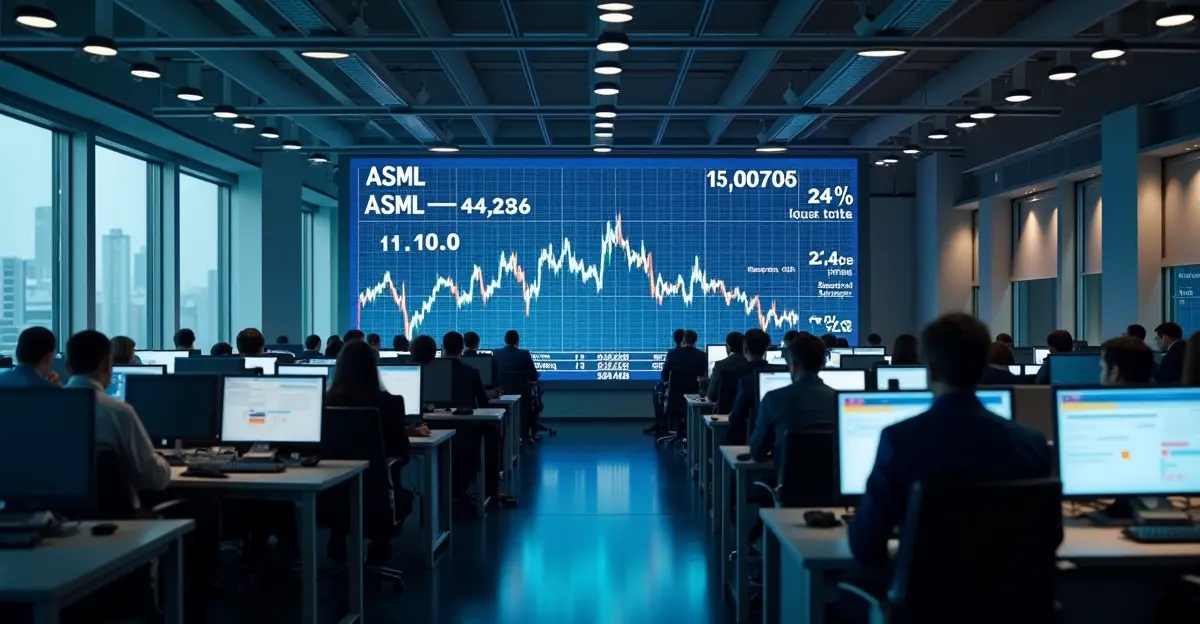
Google TurboQuant Breakthrough Explained: Why Chip Stocks Are Falling on AEX
Google's TurboQuant AI memory compression breakthrough has caused ASML, ASMI & Besi stocks to fall on Amsterdam's AEX. The technology reduces memory needs by 6x, sparking chip demand concerns.