


 Deutsch
 English
 Español
 Français
 Nederlands
 Português


 Share
Share




Justice Department Backs Down in Press Freedom Showdown
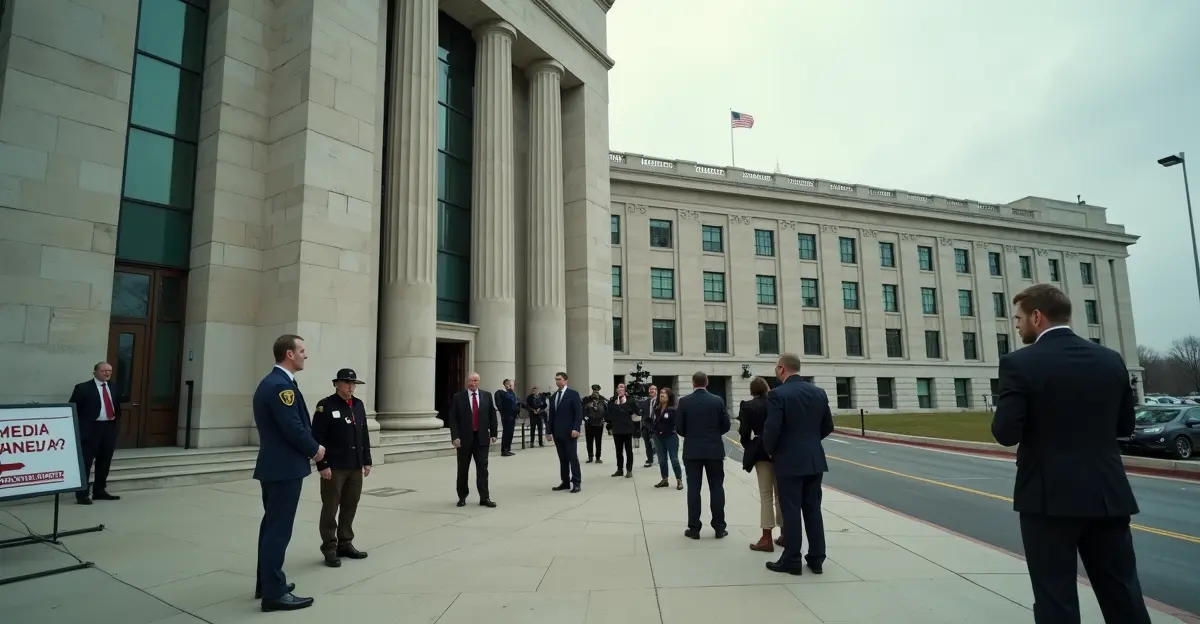
The U.S. Department of Justice (DOJ) has withdrawn grand jury subpoenas issued to three New York Times journalists, abruptly ending a legal battle over the protection of confidential sources in a national security leak investigation. The subpoenas, which sought testimony and phone records related to the journalists' reporting on security flaws in President Donald Trump's new Air Force One aircraft — a Boeing VC-25B donated by Qatar — were pulled during a heated Manhattan federal court hearing on July 23, 2026.
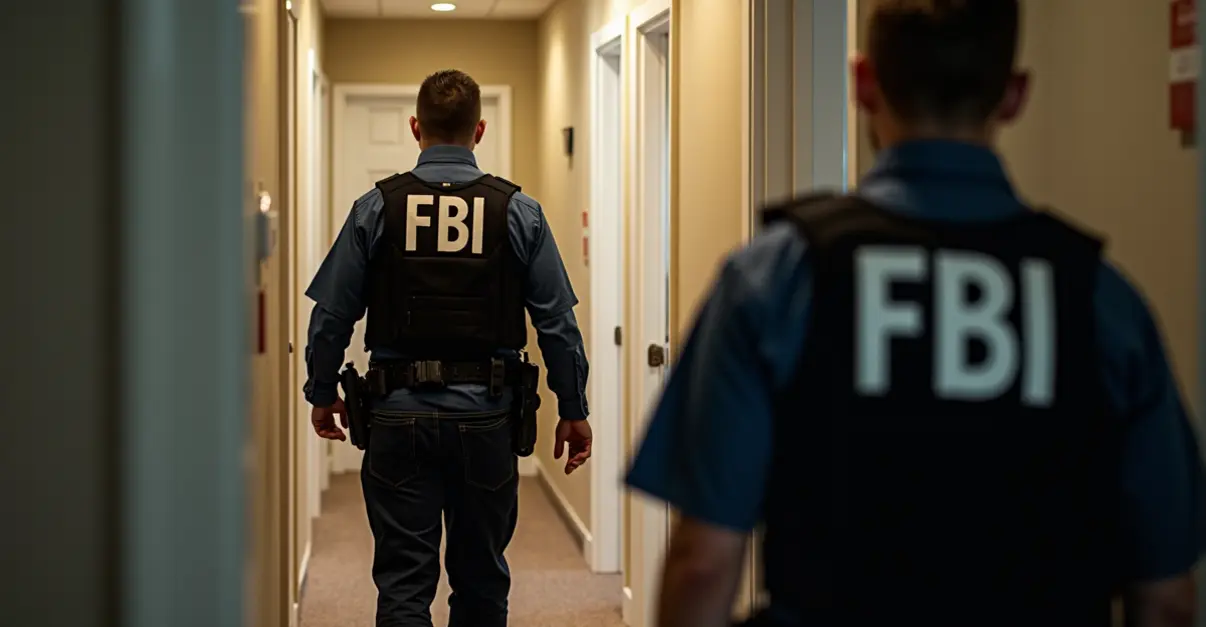
The case began when the Times published a series of articles revealing that the new presidential jet, which entered service on July 1, 2026, had significant security vulnerabilities. According to the reporting, Secret Service officials advised Trump not to use the new aircraft during a trip to Turkey due to concerns over inadequate defensive systems amid heightened tensions with Iran. The story cited anonymous sources within the administration and the military, prompting the DOJ to launch a leak investigation.
What Led to the Subpoenas?
The subpoenas, authorized by Acting Attorney General Todd Blanche and issued by Manhattan U.S. Attorney Jay Clayton, were served on reporters and their family members — including one reporter's mother — in an effort to uncover who leaked classified information about the aircraft's deficiencies. The DOJ also sought records from phone providers. The move drew immediate condemnation from press freedom advocates, who called it an unprecedented overreach.
The Trump administration press freedom controversies have been a recurring theme, with critics arguing that the administration weaponizes the justice system against journalists. In this instance, the DOJ bypassed standard protocols that require exhausting all other investigative avenues before subpoenaing members of the news media.
Judge's Rebuke Forces Withdrawal
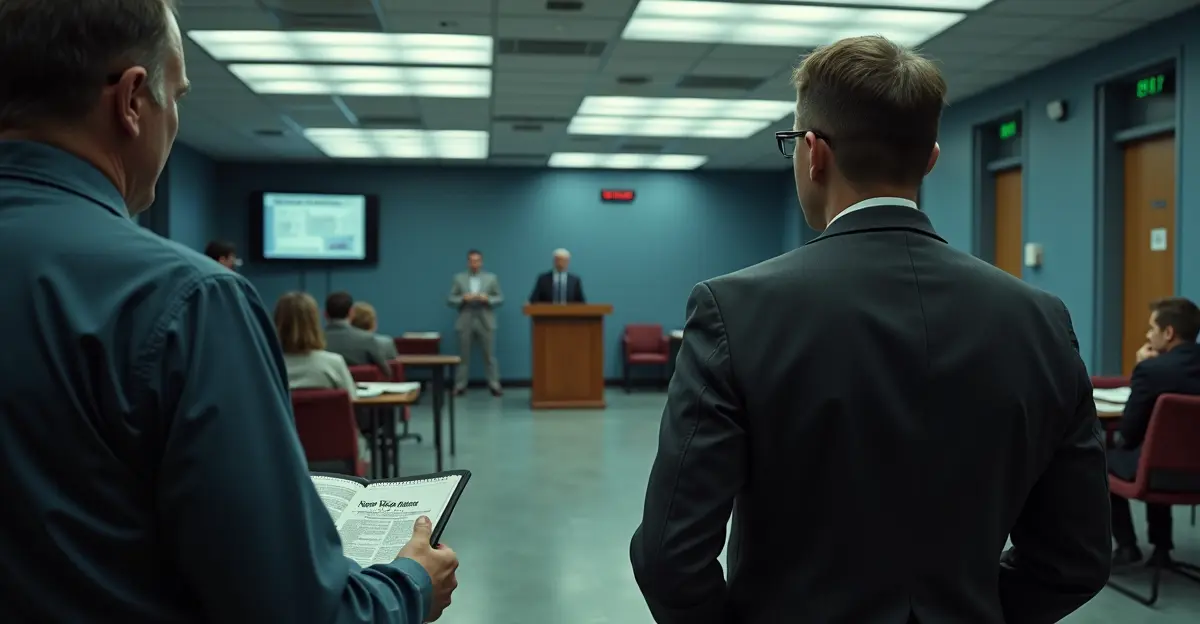
During the July 23 hearing before U.S. District Judge Arun Subramanian, the government faced a withering interrogation. According to court observers, Judge Subramanian grew increasingly frustrated with DOJ attorneys, repeatedly asking why they had not pursued less intrusive methods before targeting journalists. "Subpoenas are a last step, not the first," the judge stated, citing federal appeals court precedent that protects press freedoms under the First Amendment.
The judge made clear he was prepared to quash the subpoenas entirely, prompting the government to withdraw them rather than face a definitive legal defeat. The DOJ acknowledged procedural errors, including the mistaken seizure of phone records belonging to reporters' relatives due to a database mix-up.
Broader Implications for Press Freedom
The outcome represents a significant victory for the New York Times and for press freedom advocates. David McGraw, the Times' deputy general counsel, said in a statement: "This is an important affirmation of our country's commitment to a free press. The subpoenas were an attempt to intimidate journalists and their sources, and we are gratified the court recognized that."
However, the DOJ indicated that the investigation into the leaks is not over. A spokesperson said the withdrawal was a tactical move forced by the judge's stance, and that other legal avenues remain open. The case echoes previous administrations' efforts to crack down on leaks — both Democratic and Republican — but the US government subpoenaing journalists has become a flashpoint in the debate over national security versus the public's right to know.
The New Air Force One Controversy
The underlying story that triggered the investigation centers on the new Air Force One, a modified Boeing 747-8 gifted to the United States by Qatar. The aircraft, valued at approximately $400 million, was touted by Trump as a symbol of his diplomatic prowess. However, the Times reported that the jet lacked critical defensive countermeasures, making it vulnerable to missile attacks. The Secret Service recommended using the older VC-25A (a 1990s-era Boeing 747-200) for sensitive flights until upgrades could be completed.
This Qatar Air Force One security issues story raised questions about the vetting process for foreign-donated presidential aircraft and the transparency of the administration's decision-making. The White House denied any security gaps, calling the Times report "misleading and based on unnamed sources with an agenda."
FAQ
Why did the DOJ issue subpoenas to New York Times journalists?
The DOJ sought to identify sources who leaked classified information about security flaws in the new Air Force One, which was donated by Qatar. The journalists had reported that the aircraft lacked adequate defenses, leading to concerns about presidential safety.
What did the judge say about the subpoenas?
Judge Arun Subramanian stated that subpoenas should be a last resort, not a first step, in leak investigations. He indicated he would quash the subpoenas, citing "profound First Amendment issues."
Did the government admit any wrongdoing?
The DOJ acknowledged procedural errors, including obtaining phone records of reporters' family members due to a database error. However, it did not concede that the subpoenas were unlawful, only that they were withdrawn under judicial pressure.
What happens next in the leak investigation?
The DOJ said the investigation into the leaks continues, but it has not announced any further steps. The New York Times has called for stronger statutory protections for journalists against compelled disclosure of sources.
How does this affect press freedom in the U.S.?
The case highlights ongoing tensions between national security and the First Amendment. Press freedom groups warn that the administration's willingness to subpoena journalists and their families sets a dangerous precedent, even though the subpoenas were withdrawn.
Sources
This article is based on reporting from the Associated Press, NBC News, CNBC, Politico, and court documents from the Southern District of New York. Additional context from the U.S. Press Freedom Tracker and the Reporters Committee for Freedom of the Press.

Follow Discussion