
 Deutsch
 English
 Español
 Français
 Nederlands
 Português

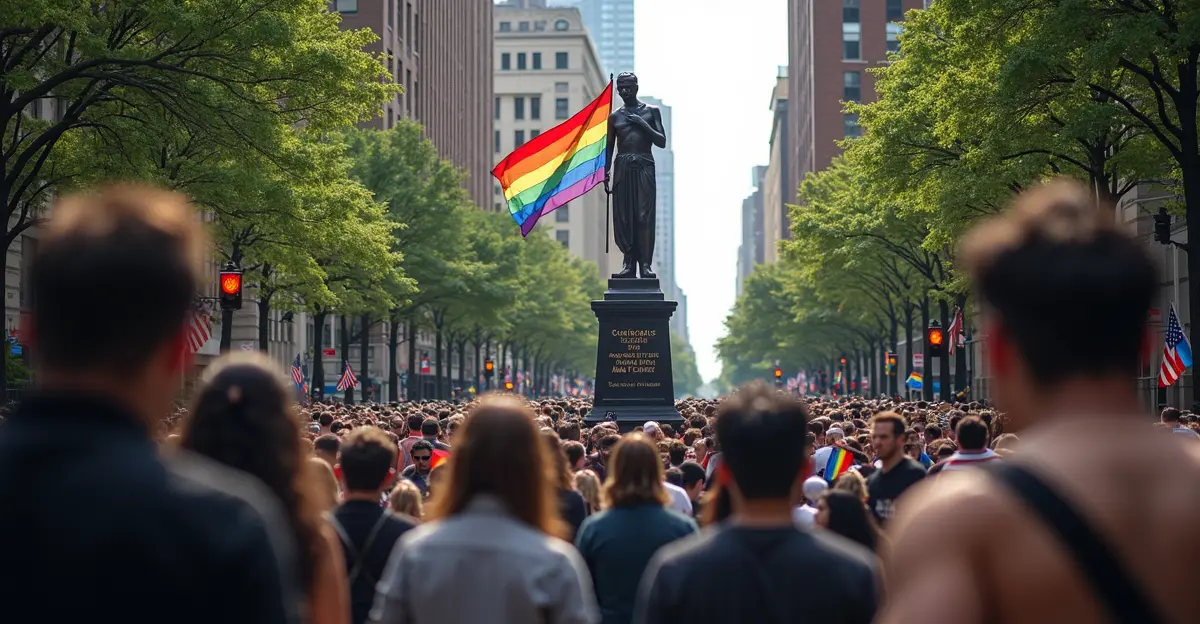





What is the Stonewall National Monument Settlement?
The Trump administration has reached a landmark settlement that will permanently restore the rainbow Pride flag to the Stonewall National Monument in New York City's Greenwich Village. This resolution, announced on April 13, 2026, ends a contentious legal battle that began when federal workers removed the iconic symbol of LGBTQ+ pride from the historic site in February 2026. The settlement represents a significant victory for LGBTQ+ rights advocates and ensures that the rainbow flag will continue to fly at the birthplace of the modern gay rights movement.
Background: The Stonewall National Monument
Stonewall National Monument is the first U.S. national monument dedicated to LGBTQ+ rights and history, designated by President Barack Obama on June 24, 2016. The 7.7-acre site includes the historic Stonewall Inn, Christopher Park, and surrounding streets where the 1969 Stonewall Uprising occurred. This watershed event, where LGBTQ+ patrons resisted a police raid on June 28, 1969, transformed the gay rights movement from hidden existence to public activism. The monument serves as a powerful reminder of the struggle for equality and the ongoing fight for LGBTQ+ rights in America.
The Flag Controversy Timeline
February 2026: Flag Removal Sparks Outrage
On February 9, 2026, National Park Service workers removed the rainbow Pride flag from the monument's flagpole, citing the Trump administration's policy requiring only American flags at federal parks. This action immediately drew condemnation from LGBTQ+ activists, New York City officials, and civil rights organizations. The removal was part of what critics called the administration's "anti-woke" agenda targeting LGBTQ+ visibility.
February 17, 2026: Lawsuit Filed
A coalition of nonprofit organizations including the Gilbert Baker Foundation, Village Preservation, and Equality New York, represented by Lambda Legal and the Washington Litigation Group, filed a federal lawsuit challenging the flag's removal. The lawsuit argued that the Pride flag provided essential historical context for the monument and that its removal violated the Administrative Procedure Act. "The Pride flag is not just a symbol—it's an integral part of the historical narrative at Stonewall," said a spokesperson for the Gilbert Baker Foundation.
April 13, 2026: Settlement Reached
After two months of legal proceedings, the Trump administration agreed to a settlement that permanently restores the rainbow flag. The agreement, filed in federal court, requires the flag to be reinstalled within seven days and maintained permanently except for maintenance or practical purposes. The settlement must still receive final approval from a federal judge.
Settlement Terms and Conditions
Under the settlement agreement, three flags of equal size will be permitted to fly at the monument:
- The American flag (top position)
- The rainbow Pride flag (middle position)
- The National Park Service flag (bottom position)
The government also agreed not to pursue removal of the Pride flag in the future, effectively guaranteeing its permanent presence at the historic site. This arrangement complies with federal flag protocol while ensuring LGBTQ+ representation at the monument.
Historical Significance of Stonewall
The Stonewall Uprising of 1969 marked a pivotal turning point in LGBTQ+ history. Unlike previous police raids where LGBTQ+ people passively accepted arrest, Stonewall patrons—including marginalized community members like people of color, drag performers, and transgender activists—fought back against police harassment. The six-day rebellion galvanized the community, leading to the formation of activist groups and the first Pride march in 1970. Today, the monument preserves this history of resistance and continues to inspire social justice movements worldwide.
Political Context and Implications
The settlement comes during Trump's second term and represents a departure from the administration's previous efforts to distance itself from LGBTQ+ issues. Manhattan borough president Brad Hoylman-Sigal called the settlement "a victory for LGBTQ+ representation during Trump's second term." The case highlights ongoing tensions between federal policies and LGBTQ+ rights, particularly regarding the display of symbols at historic sites. Similar debates have emerged around other LGBTQ+ historical markers across the country.
Community Reaction and Impact
LGBTQ+ advocates have celebrated the settlement as a crucial victory for visibility and historical preservation. "This ensures that the symbol of our identity and resistance continues to fly at the birthplace of our movement," said an Equality New York representative. The settlement also sets an important precedent for how federal agencies handle symbolic displays at national monuments, potentially influencing future cases involving historical representation.
FAQ: Stonewall Flag Settlement Questions Answered
Why was the rainbow flag removed in February 2026?
The Trump administration cited Department of Interior policy requiring only American flags at federal parks, though critics argued this was selectively enforced to target LGBTQ+ visibility.
What organizations were involved in the lawsuit?
The Gilbert Baker Foundation, Village Preservation, and Equality New York filed the lawsuit with legal representation from Lambda Legal and the Washington Litigation Group.
When will the flag be restored?
The settlement requires the Pride flag to be reinstalled within seven days of the agreement's final approval by a federal judge.
Can the flag be removed again in the future?
The settlement prohibits future removal except for maintenance or practical purposes, effectively guaranteeing its permanent presence.
What is the historical significance of Stonewall?
Stonewall National Monument commemorates the 1969 Stonewall Uprising, widely regarded as the catalyst for the modern LGBTQ+ rights movement in the United States.
Sources
Courthouse News: Trump Administration Settles Stonewall Flag Lawsuit
Lambda Legal: Lawsuit Challenges Flag Removal

Follow Discussion