


 Deutsch
 English
 Español
 Français
 Nederlands
 Português


 Share
Share




What is Happening in Hungary? A Historic Political Shift
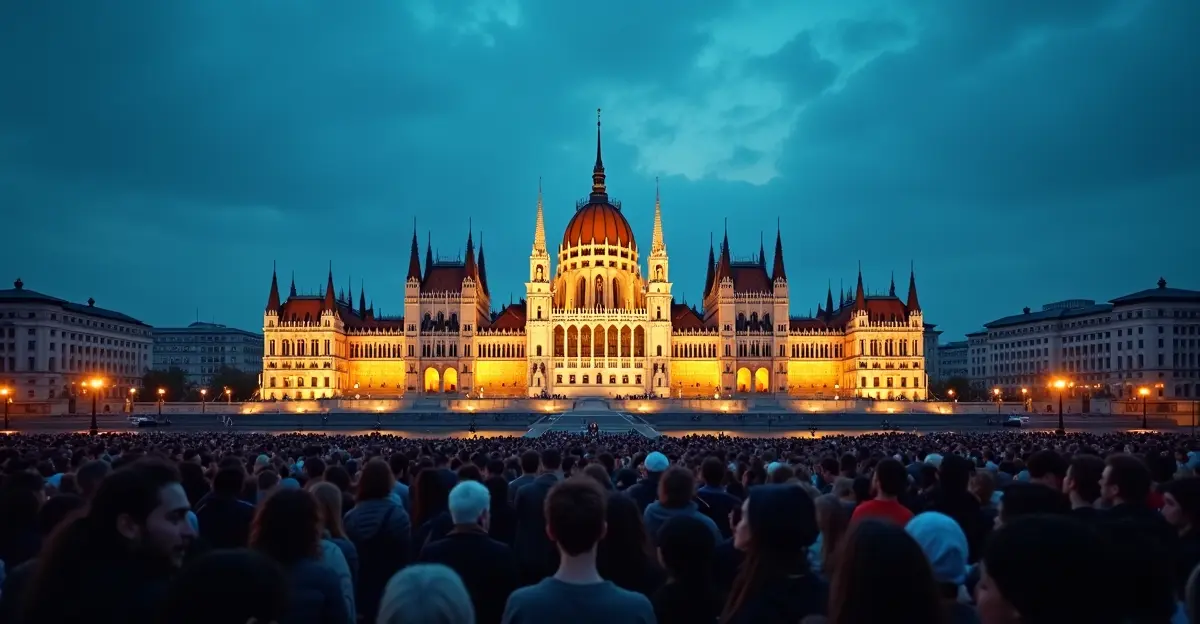
Hungary has experienced a seismic political transformation as Péter Magyar's Tisza party secured a landslide victory in the 2026 parliamentary elections, ending Viktor Orbán's 16-year rule with a decisive two-thirds majority. The European Union's response to Hungary has shifted dramatically as Magyar, a 45-year-old former Fidesz insider turned reformer, prepares to implement sweeping constitutional, economic, and foreign policy changes that will reshape Hungary's relationship with Europe and the world. This historic win represents the most significant political change in Hungary since the post-socialist transition of 1989, with record-high voter turnout approaching 80% demonstrating widespread demand for democratic renewal.
Constitutional Reforms: Restoring Democratic Norms
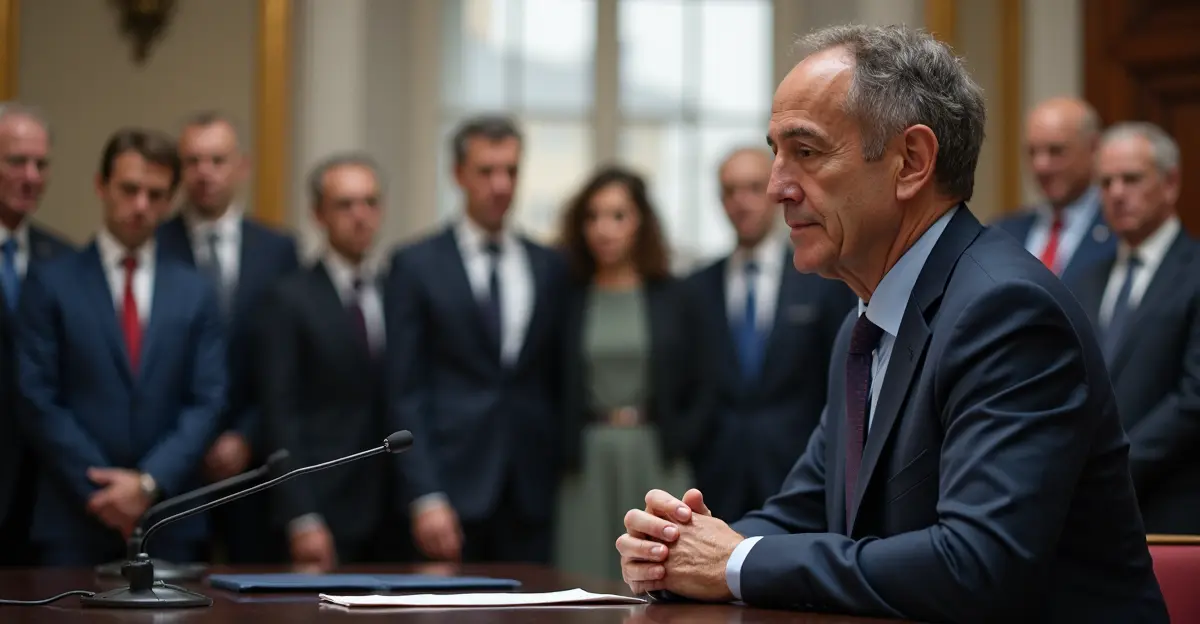
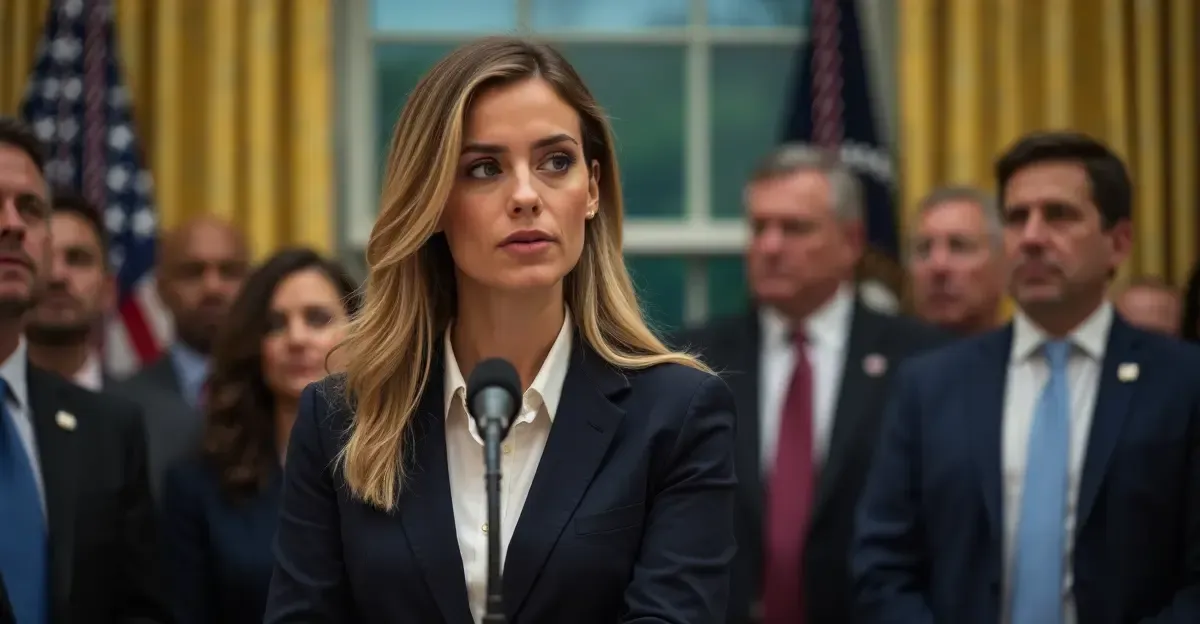
In his first major address following the election victory, Péter Magyar outlined comprehensive constitutional reforms aimed at restoring Hungary's democratic institutions. The centerpiece of his agenda includes a constitutional amendment to limit future prime ministers to a maximum of two terms, directly addressing concerns about executive overreach that characterized the Orbán era. 'We will do everything to restore the rule of law, pluralistic democracy, and the system of checks and balances,' Magyar declared to reporters in Budapest.
Key Constitutional Changes
- Term Limits: Maximum two terms for future prime ministers
- Anti-Corruption Framework: Establishment of new investigative institutions
- Judicial Independence: Restoration of impartial judicial appointments
- Media Freedom: Reforms to state media and press freedom protections
These reforms align with the EU's democratic standards and are essential for unlocking approximately €18 billion in frozen EU funds that have been withheld due to rule-of-law concerns under the previous administration.
Economic and EU Relations: Unlocking Frozen Funds
The Magyar government faces immediate economic challenges, including a record budget deficit and the urgent need to secure EU funding. Hungary stands to regain access to €18 billion in frozen EU cohesion funds and €10 billion in post-Covid recovery funds, provided the new government meets 27 EU-mandated conditions known as 'super milestones' by August 31, 2026. These conditions include implementing anti-corruption measures, ensuring judicial independence, and joining the European Public Prosecutor's Office (EPPO).
Economic Priorities Table
| Priority | Timeline | Impact |
|---|---|---|
| EU Funds Release | By August 2026 | €28 billion total |
| Anti-Corruption Reforms | Immediate | Required for EU compliance |
| Central Bank Stability | Ongoing | Maintain financial market confidence |
| Energy Independence | By 2035 | End Russian energy dependence |
Magyar has committed to working with Central Bank President Mihaly Varga to maintain financial stability, recognizing that any leadership changes at the institution could create unnecessary market turbulence during this critical transition period.
Foreign Policy Reset: From Russia to Europe
Perhaps the most dramatic shift will occur in Hungary's foreign policy orientation. After years of increasingly close ties with Russia under Orbán, Magyar has signaled a decisive pivot toward Europe and NATO. 'It is clear to everyone that Ukraine is the victim in this war,' Magyar stated, marking a significant departure from the previous government's ambiguous stance on Russia's invasion of Ukraine.
Key Foreign Policy Changes
- EU Alignment: Full commitment to European integration and values
- NATO Partnership: Strengthened alliance cooperation
- Russia Distance: Reduced diplomatic and economic ties
- Ukraine Support: Unblocking €90 billion EU aid package previously vetoed by Orbán
While Magyar supports Ukraine's territorial integrity, he maintains reservations about fast-tracking Ukraine's EU membership and will demand restoration of rights for ethnic Hungarians in Ukraine's Transcarpathia region before fully normalizing bilateral relations.
Institutional Overhaul: Dismantling the Orbán System
The new government faces the monumental task of dismantling an authoritarian system that has been entrenched for 16 years. Magyar has called for resignations from top officials he accuses of betraying the country, including Foreign Minister Péter Szijjártó, who faces potential treason charges for his pro-Russia stance. The incoming administration plans to:
- Purge state institutions of Orbán loyalists
- Restore independent media by reforming state television
- Rejoin the International Criminal Court
- Establish transparent procurement systems
This institutional cleanup is particularly relevant given the corruption scandals in Eastern Europe that have plagued the region, and Magyar's personal experience exposing government corruption related to a child abuse scandal pardon in 2024.
Impact and Implications for Europe
The Magyar victory represents more than just a change of government—it signals Hungary's return to the European mainstream after years of democratic backsliding. European Commission President Ursula von der Leyen welcomed the result, stating 'Hungary has chosen Europe.' The political shift has immediate implications for EU decision-making, particularly regarding Ukraine aid and broader European security policy.
Hungary's currency, the forint, surged to a four-year high following the election results, reflecting market confidence in the pro-European, reform-oriented direction. However, analysts caution that delivering on campaign promises while managing a diverse coalition of voters—from young urban progressives to conservative rural supporters—will require careful political navigation.
Frequently Asked Questions
What is Péter Magyar's political background?
Péter Magyar is a 45-year-old Hungarian politician and lawyer who served as a member of the European Parliament since 2024. A former Fidesz insider married to ex-justice minister Judit Varga, he rose to prominence in 2024 by exposing government corruption, leading to his break with Orbán's party and formation of the Tisza party.
How will Hungary's relationship with the EU change?
Hungary will shift from being an EU skeptic under Orbán to a committed European partner. Magyar plans to implement reforms to unlock frozen EU funds, join the European Public Prosecutor's Office, and support EU initiatives including the €90 billion Ukraine aid package previously blocked by Orbán.
What are the term limit reforms?
Magyar proposes a constitutional amendment limiting future Hungarian prime ministers to a maximum of two terms in office, addressing concerns about executive overreach that characterized Orbán's 16-year rule.
When will EU funds be released to Hungary?
Approximately €18 billion in frozen EU funds could be released once Hungary meets 27 reform conditions by August 31, 2026. This includes anti-corruption measures, judicial independence reforms, and joining the European Public Prosecutor's Office.
How will Hungary's Russia policy change?
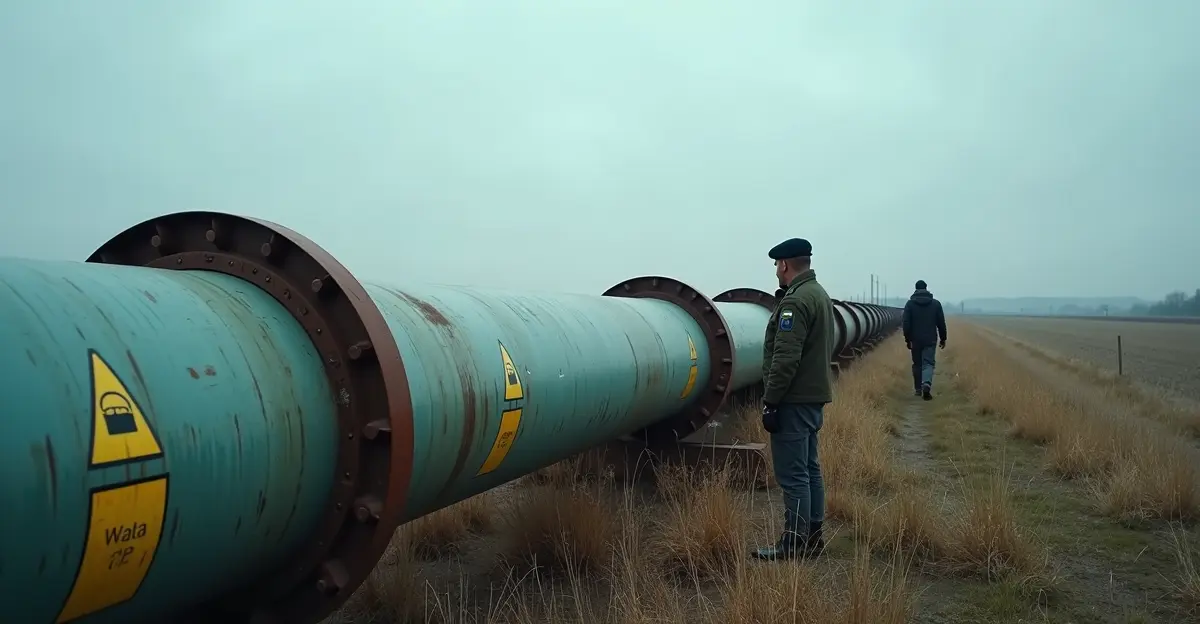
Magyar will distance Hungary from Russia, end energy dependence by 2035, and align more closely with EU and NATO positions on Ukraine, marking a significant departure from Orbán's pro-Russia stance.

Follow Discussion