


 Deutsch
 English
 Español
 Français
 Nederlands
 Português


 Share
Share




Pope vs Trump: Complete Guide to 2026 Diplomatic Clash Over War Policy
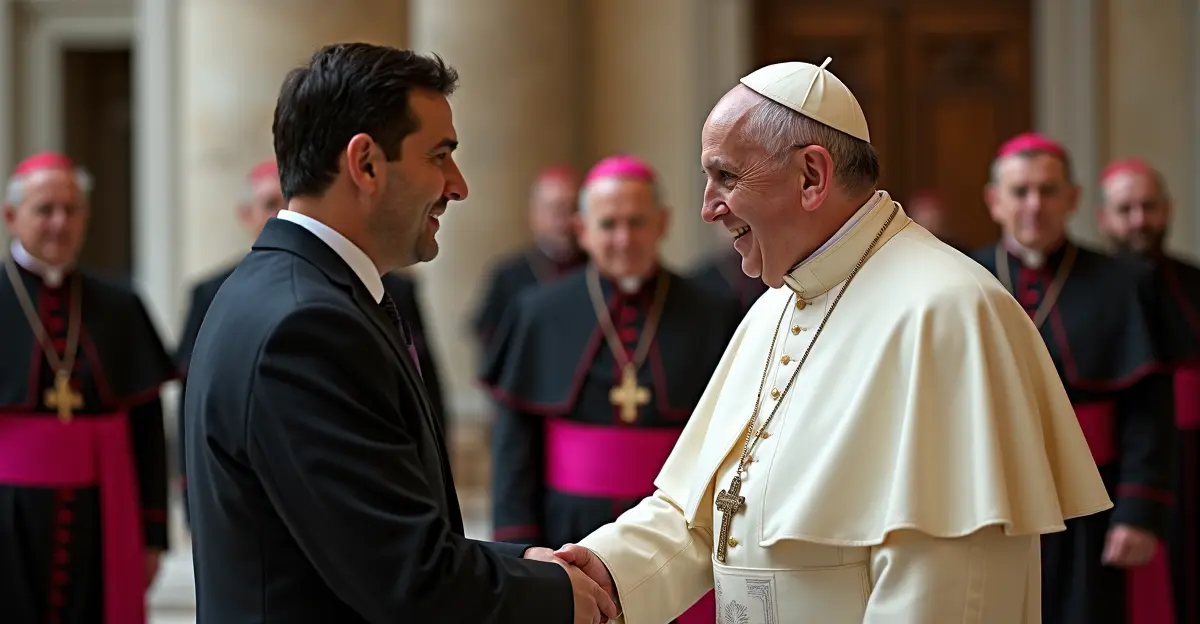
In a dramatic escalation of tensions between religious and political leadership, Pope Leo XIV has publicly rebuked former President Donald Trump's criticism of his anti-war stance during the pontiff's 11-day African tour in April 2026. The first American-born pope declared he would continue speaking out against military conflict despite Trump's accusations that he is 'weak on crime' and 'terrible for foreign policy.' This unprecedented clash between the Vatican and Washington represents a significant moment in US-Vatican relations and highlights growing divisions over Middle East policy.
What Sparked the Trump-Pope Conflict?
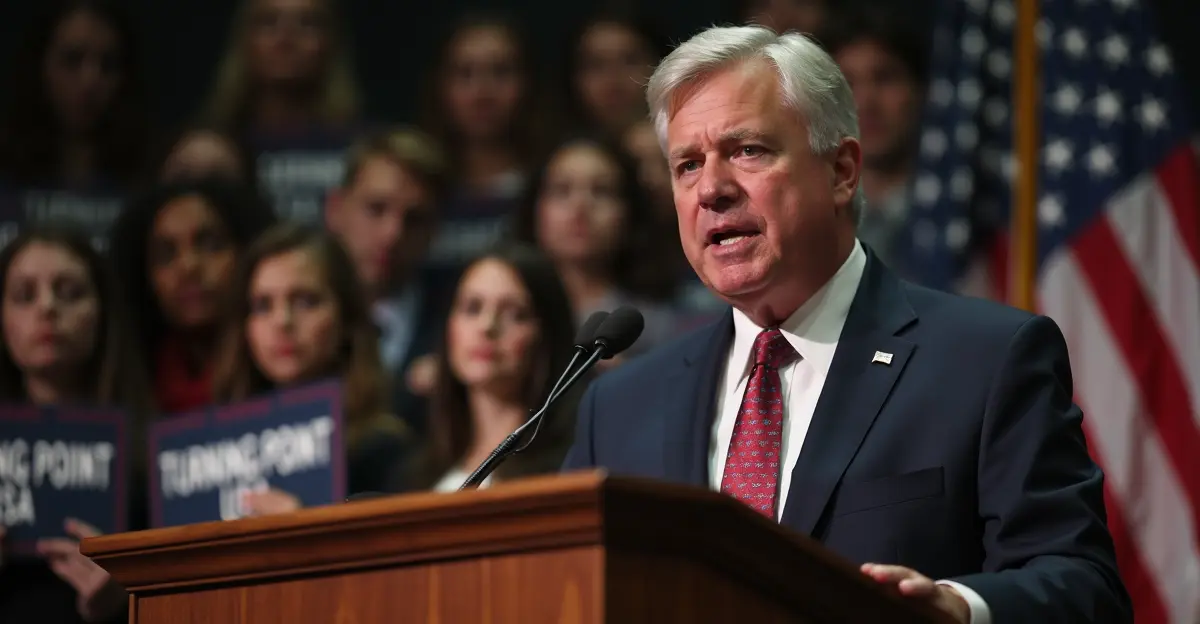
The immediate trigger for the diplomatic spat was Trump's Truth Social post on April 12, 2026, where he launched a direct attack on Pope Leo XIV. Trump wrote: 'I'm not a fan of the first American Pope. He is weak on crime, very bad for foreign policy, and caters to the Radical Left.' The former president went further, claiming: 'If I weren't in the White House, Leo wouldn't be in the Vatican.' This extraordinary statement suggests Trump believes his presidency enabled the election of the first American pontiff.
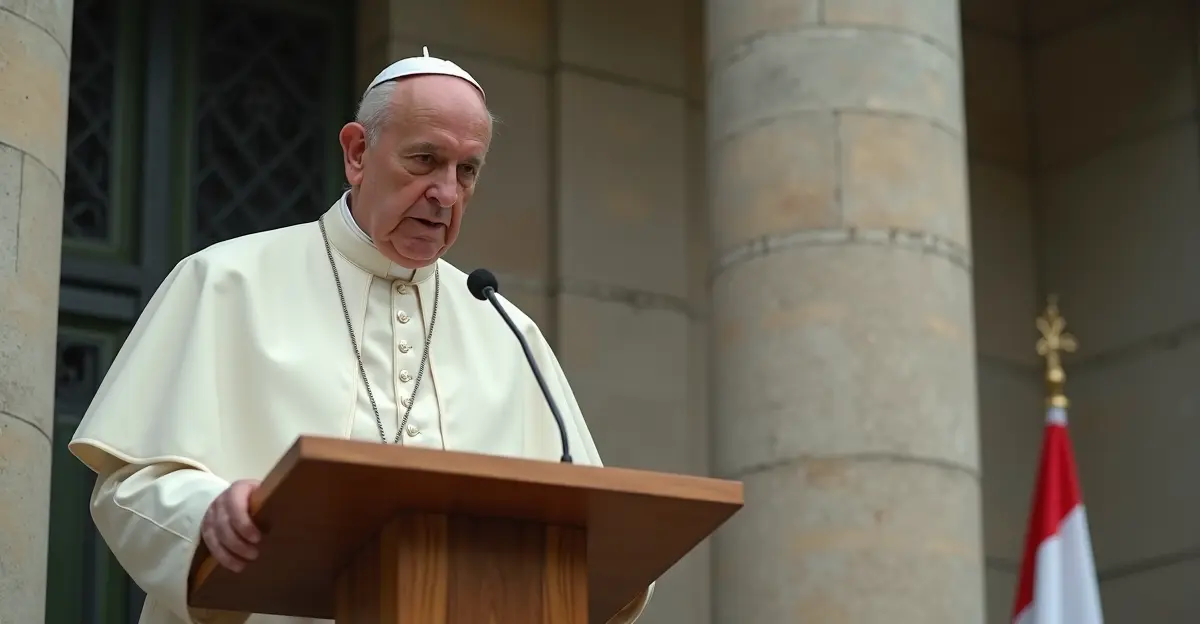
Pope Leo responded during his flight to Algeria, the first stop on his African tour, telling journalists: 'The things I have said are not meant as an attack on anyone. The message of the Gospel is clear: "Blessed are the peacemakers."' The 70-year-old pontiff, born Robert Francis Prevost in Chicago, emphasized that his role is not political but about serving life and promoting peace through dialogue.
Background: Pope Leo XIV's Anti-War Position
Pope Leo XIV has been increasingly vocal about the Middle East conflict in recent weeks, particularly criticizing the U.S.-Israel military operations against Iran. In multiple addresses, he has condemned what he calls the 'delusion of omnipotence' fueling the conflict and stated that 'God does not bless any conflict.' His position aligns with traditional Catholic social teaching that emphasizes peacebuilding and dialogue over military solutions.
The pontiff's criticism specifically targeted U.S. Defense Secretary Pete Hegseth, who has framed military operations in religious terms. During Palm Sunday celebrations two weeks before the Trump attack, Pope Leo warned against using religion to justify wars, stating: 'The deployment of religion to justify wars is not permissible.' This position reflects his broader commitment to preventing the instrumentalization of faith for political or military purposes.
Key Points of Contention
- Nuclear Weapons Policy: Trump criticized Pope Leo's opposition to nuclear weapons for Iran
- Crime and Security: Trump claims the pope is 'weak on crime' despite no specific Vatican law enforcement role
- Foreign Policy Approach: The former president objects to the pontiff's peace-focused diplomacy
- Political Alignment: Trump accuses Pope Leo of 'catering to the Radical Left'
The African Tour Context
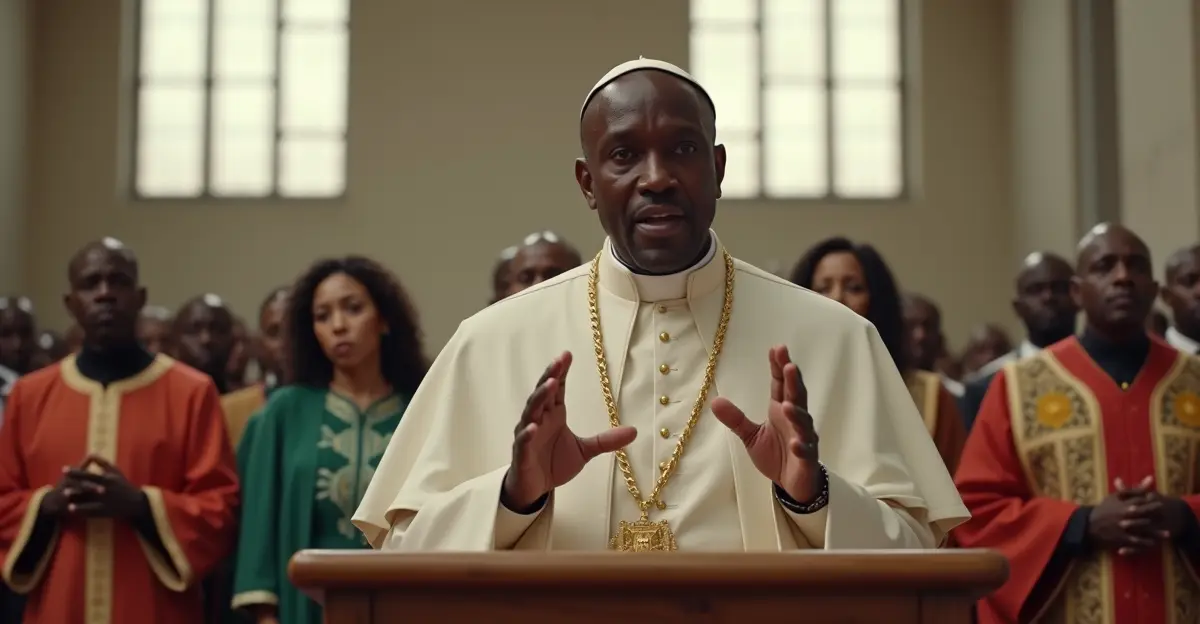
The papal response came during Pope Leo XIV's first apostolic journey to Africa, an 11-day visit covering Algeria, Cameroon, Angola, and Equatorial Guinea from April 13-23, 2026. The trip focuses on themes of peace, reconciliation, and interreligious dialogue, making Trump's criticism particularly ill-timed from the Vatican's perspective. In Algeria, the pope presented himself as a 'pilgrim of peace' and visited the Great Mosque of Algiers to promote Christian-Muslim coexistence.
Vatican officials suggest the timing of Trump's attack indicates the pope's moral voice is having significant impact. One official noted anonymously: 'If Pope Leo were irrelevant, he wouldn't merit a word from the former president.' The conflict highlights tensions between religious peace advocacy and political military strategy in an increasingly polarized global landscape.
Historical Significance: First American Pope
Pope Leo XIV's election in May 2025 marked a historic moment as he became the first pope born in the United States. Born in Chicago in 1955, he holds dual U.S.-Peruvian citizenship after extensive missionary work in Peru. His election was unexpected by Vatican observers who believed a pope from a superpower nation was unlikely. He chose the name Leo XIV in honor of Pope Leo XIII, who developed modern Catholic social teaching during the Industrial Revolution.
The current pope's background includes mathematics studies at Villanova University, ordination in 1982, and service as Bishop of Chiclayo, Peru before Pope Francis appointed him Prefect of the Dicastery for Bishops in 2023. His episcopal motto 'In Illo uno unum' (In that one, we are one) reflects his Augustinian spirituality and commitment to unity.
Impact on U.S.-Vatican Relations
This public clash represents one of the most significant tensions between the Vatican and an American administration in recent history. While previous popes have occasionally criticized U.S. policies, the direct personal nature of Trump's attack and the pope's firm response mark a new phase in religious-political diplomacy. The U.S. Conference of Catholic Bishops has expressed disappointment with Trump's remarks, emphasizing that the pope speaks from Gospel truth rather than political rivalry.
Archbishop Paul S. Coakley stated: 'The Holy Father's role is not political but about serving life. He speaks from the truth of the Gospel, not from political rivalry.' This support from American Catholic leadership suggests the conflict may have domestic political implications as well as international diplomatic consequences.
FAQ: Pope Leo XIV vs Donald Trump Conflict
What did Trump say about Pope Leo XIV?
Trump posted on Truth Social that Pope Leo is 'weak on crime, very bad for foreign policy, and caters to the Radical Left.' He also claimed the pope's papacy was only possible because of Trump's presidency.
How did Pope Leo respond?
During his flight to Algeria on April 13, 2026, Pope Leo said he would continue speaking out against war to promote peace and dialogue, emphasizing his role is about serving life, not politics.
Why is Pope Leo criticizing the Middle East war?
The pope follows traditional Catholic social teaching that emphasizes peacebuilding and condemns using religion to justify military action. He has specifically criticized attempts to frame the Iran conflict in religious terms.
What is Pope Leo's background?
Born Robert Francis Prevost in Chicago in 1955, he is the first American pope, holds dual U.S.-Peruvian citizenship, and served as a missionary in Peru before his election in May 2025.
How will this affect Catholic voters in the U.S.?
While difficult to predict, the U.S. Conference of Catholic Bishops' support for the pope suggests many American Catholics may view Trump's criticism as inappropriate, potentially influencing voter attitudes.
Follow Discussion