


 Deutsch
 English
 Español
 Français
 Nederlands
 Português


 Share
Share




What Happened at the February 2026 House Judiciary Hearing?
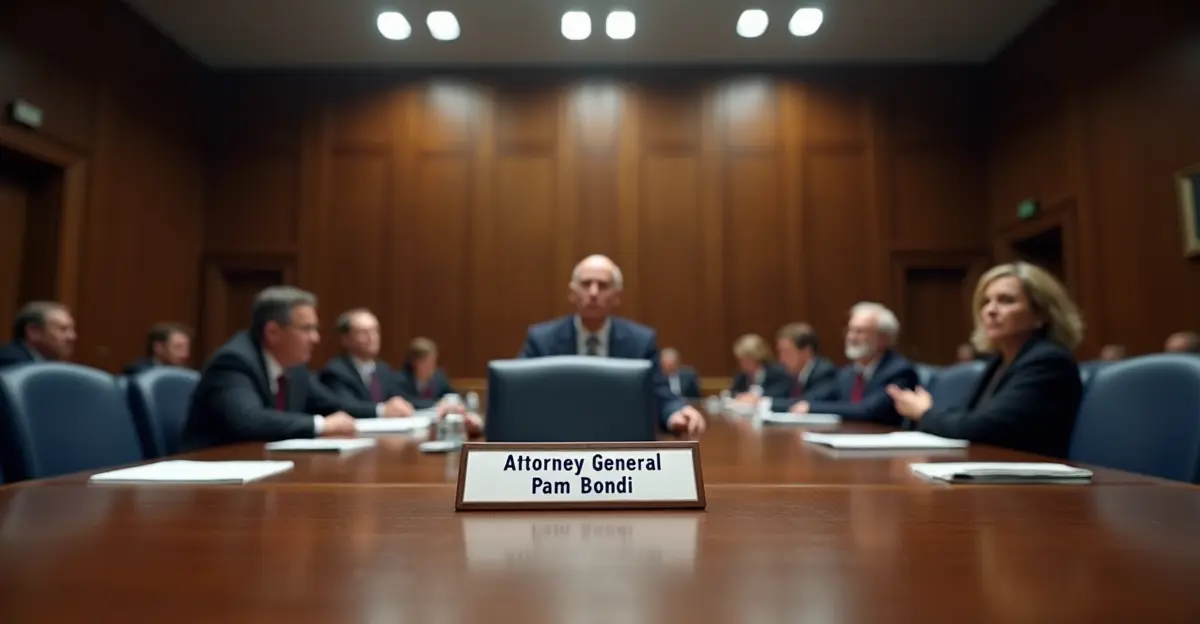
In a dramatic congressional hearing on February 11, 2026, Attorney General Pam Bondi faced explosive confrontations with Democratic lawmakers over the Justice Department's handling of Jeffrey Epstein-related documents. The hearing, described by American constitutional law expert Kenneth Manusama as a 'shitshow,' featured shouting matches, personal insults, and accusations of a massive cover-up involving approximately 3 million unreleased documents. This heated exchange between Bondi and House Judiciary Committee Ranking Member Jamie Raskin represents a new low in congressional oversight hearings and raises serious questions about government transparency.
The Epstein Documents Controversy: What's at Stake?
At the heart of the conflict lies the Justice Department's refusal to release roughly half of the Epstein documents—approximately 3 million pages—despite a congressional subpoena. Democratic lawmakers accuse Bondi of deliberately stonewalling to protect President Donald Trump and other powerful figures connected to Epstein's sex trafficking network. 'This is a complete corruption of justice and betrayal of the principle of justice for all,' stated Representative Jamie Raskin in his opening remarks.
Key Revelations from the Hearing
- Bondi called Representative Jamie Raskin a 'washed-up loser lawyer' during heated exchanges
- Epstein victims present in the hearing room indicated they hadn't met with DOJ officials
- Bondi apologized to Epstein survivors but faced criticism for the apology's sincerity
- Republicans praised Bondi for returning the DOJ to its 'core missions'
- Democrats accused Bondi of exposing victims' personal information through sloppy redactions
Why Experts Call This a 'Shitshow'
Kenneth Manusama, a specialist in American constitutional law, characterized the hearing as 'embarrassing theater' that violates fundamental norms of congressional oversight. 'Direct insults, talking over Congress members, and throwing their past in their faces—this summarizes contemporary mores in American politics,' Manusama explained. The expert noted that this behavior represents a pattern, particularly among Trump administration officials who excel in aggressive treatment of Congress members.
The Broader Pattern of Congressional Dysfunction
This hearing follows a troubling trend in U.S. political polarization where ideological divisions have become sharper and mutual respect between branches of government has deteriorated. Manusama observed that Bondi's performance illustrates a fundamental shift: 'A minister's public consists of one person, and that's Donald Trump.' This loyalty-first approach, aggressively defended especially when television cameras are present, represents what Trump wants to see from his cabinet members.
What Are the Epstein Documents?
The Jeffrey Epstein documents consist of approximately 6 million pages of court records, depositions, financial transactions, and investigative materials related to the convicted sex offender's network. These documents reveal financial transactions facilitating Epstein's sex trafficking operation, including payments to young female models and actresses totaling over $400,000. Key revelations include an email from Prince Andrew to Ghislaine Maxwell seeking 'new inappropriate friends' and details about Epstein's estate executors who paid large sums to witnesses and attorneys.
Impact on Government Transparency and Accountability
The Bondi-Raskin confrontation has significant implications for government transparency standards and the separation of powers. When Congress cannot effectively oversee the executive branch, particularly on matters involving potential criminal conduct by powerful individuals, the system of checks and balances breaks down. This hearing raises critical questions about whether the Justice Department can maintain independence when led by officials whose primary loyalty appears to be to the president rather than the rule of law.
Comparison: Past vs. Present Congressional Hearings
| Aspect | Traditional Congressional Hearings | February 2026 Bondi Hearing |
|---|---|---|
| Tone | Respectful, fact-based questioning | Shouting matches, personal insults |
| Focus | Oversight and accountability | Political theater and loyalty displays |
| Document compliance | Generally cooperative with subpoenas | Withholding 3 million Epstein documents |
| Victim consideration | Central to proceedings | Symbolic presence, limited substantive engagement |
Frequently Asked Questions
What documents is the Justice Department withholding?
The DOJ is withholding approximately 3 million pages of Epstein-related documents despite a congressional subpoena for the full 6 million pages. These include names of Epstein's abusers and enablers that have been redacted while victims' identities were allegedly exposed through sloppy redactions.
Why did Bondi call Raskin a 'washed-up loser lawyer'?
This insult occurred during a particularly heated exchange when Raskin pressed Bondi on why the DOJ hadn't pursued Epstein's alleged co-conspirators more aggressively. The comment reflects the breakdown of decorum that characterized the entire hearing.
What do experts say about this hearing's significance?
Constitutional law expert Kenneth Manusama calls it a 'shitshow' and 'embarrassing theater' that represents a dangerous erosion of congressional oversight norms and the separation of powers in American government.
How does this affect Epstein victims?
Victims present at the hearing indicated they hadn't met with DOJ officials, suggesting their concerns haven't been adequately addressed. The document withholding and redaction issues further complicate their pursuit of justice.
What happens next with the Epstein documents?
Congressional Democrats are likely to pursue additional legal avenues to obtain the withheld documents, potentially including contempt proceedings or court actions to enforce the subpoena.




Follow Discussion