


 Deutsch
 English
 Español
 Français
 Nederlands
 Português


 Share
Share




Controversial Photo Restoration Sparks Transparency Debate
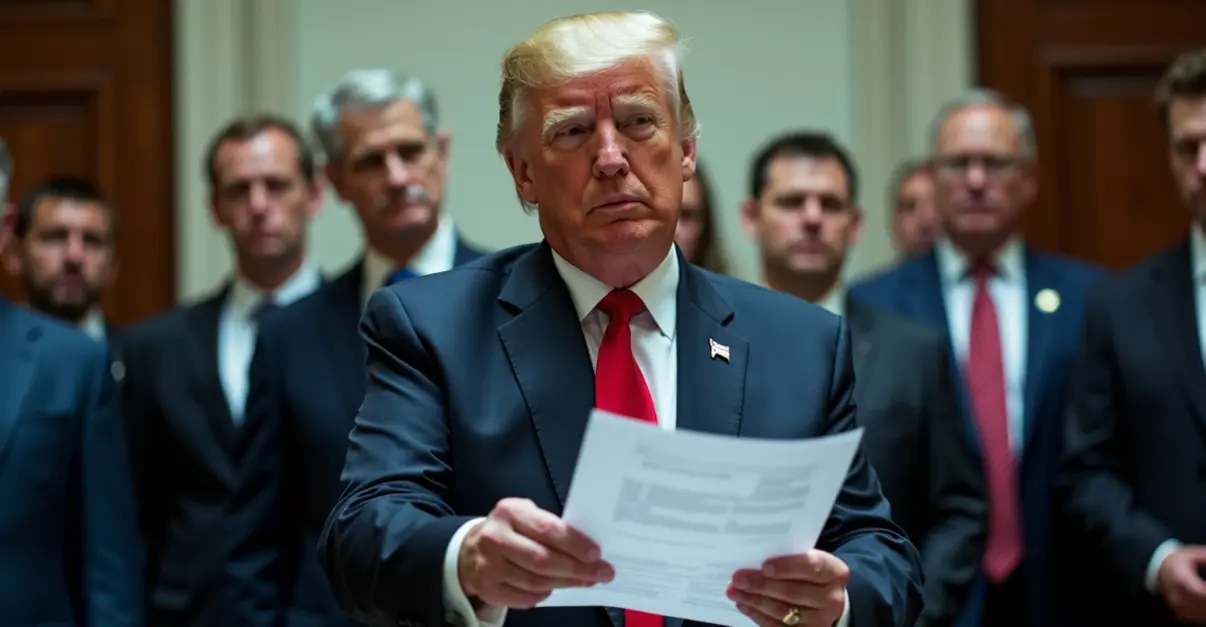
The U.S. Department of Justice has restored a controversial photograph featuring former President Donald Trump to the publicly accessible Epstein files database, just one day after removing it. The image, which shows a desk with framed photos including one of Trump visible in an open drawer, was temporarily taken offline on December 20, 2025, sparking immediate backlash from media outlets and lawmakers.
Initial Removal and Official Explanation
Deputy Attorney General Todd Blanche initially stated the photo was removed due to concerns about potential identification of women who might be Epstein victims. 'The removal was to investigate concerns about women in the photo and had nothing to do with President Trump,' Blanche emphasized in a statement. However, by late evening on December 21, the DOJ announced on X (formerly Twitter) that the photo had been restored without any modifications or redactions.
The Justice Department's official statement read: 'After review, it was determined there is no evidence that Epstein victims appear in the photo, and the photo has been reposted without any alteration or editing.' This reversal came amid growing criticism about transparency in the Epstein documents release process.
Broader Context of Epstein Files Release
The photo controversy occurs within the larger framework of the ongoing release of Epstein documents under the Epstein Files Transparency Act, passed by Congress last month. This legislation requires the Justice Department to release all documents related to convicted sex offender Jeffrey Epstein within 30 days. However, the release has been partial and gradual, with many documents heavily redacted.
According to CBS News reports, at least 15 files disappeared from the DOJ website after initial release, including photos showing former President Bill Clinton and Pope Francis. The documents being released include thousands of pages of emails, police reports, and grand jury transcripts dating from 2011 to 2018.
Political Reactions and Congressional Anger
Lawmakers from both parties have expressed outrage over the partial release of documents. Several Congress members have threatened contempt proceedings against Attorney General Pam Bondi for what they perceive as insufficient compliance with the transparency law. 'This selective release undermines the very purpose of the legislation we passed,' said one Democratic lawmaker who spoke on condition of anonymity.
The Epstein case continues to draw intense public interest due to the financier's connections with numerous powerful figures. Jeffrey Epstein, who died in his jail cell in 2019 while awaiting trial on sex trafficking charges, maintained relationships with prominent individuals including Prince Andrew, Bill Clinton, and Donald Trump.
Trump's Relationship with Epstein
While Trump's association with Epstein dates back to the 1990s when they socialized frequently at Mar-a-Lago, the newly released documents contain no evidence linking Trump to Epstein's criminal activities. According to TIME's comprehensive timeline, Trump first met Epstein in the late 1980s and described him as a 'terrific guy' in 2002. Flight logs show Trump and his family flew on Epstein's private jet in the mid-1990s.
Recently released transcripts from Ghislaine Maxwell's interview with the Justice Department reveal she described Trump as 'always very cordial and very kind' to her, while downplaying his relationship with Epstein. Maxwell, who is serving a 20-year sentence for her role in Epstein's sex trafficking operation, claimed she never witnessed Trump in Epstein's house or in any massage settings.
Ongoing Transparency Concerns
The photo restoration incident highlights broader concerns about government transparency regarding the Epstein case. Victims' advocates have criticized the extensive redactions in released documents, arguing they prevent full understanding of Epstein's network and activities. 'We need complete transparency, not selective releases that protect powerful people,' said one Epstein accuser who testified before Congress earlier this year.
As the Justice Department continues its staggered release of documents, public scrutiny remains intense. The restoration of the Trump photo, while resolving one controversy, has raised new questions about the criteria used for redactions and removals in this highly sensitive case that continues to captivate public attention nearly six years after Epstein's death.


Follow Discussion