


 Deutsch
 English
 Español
 Français
 Nederlands
 Português


 Share
Share




Bad Bunny's Super Bowl Halftime Show Becomes Political Battleground
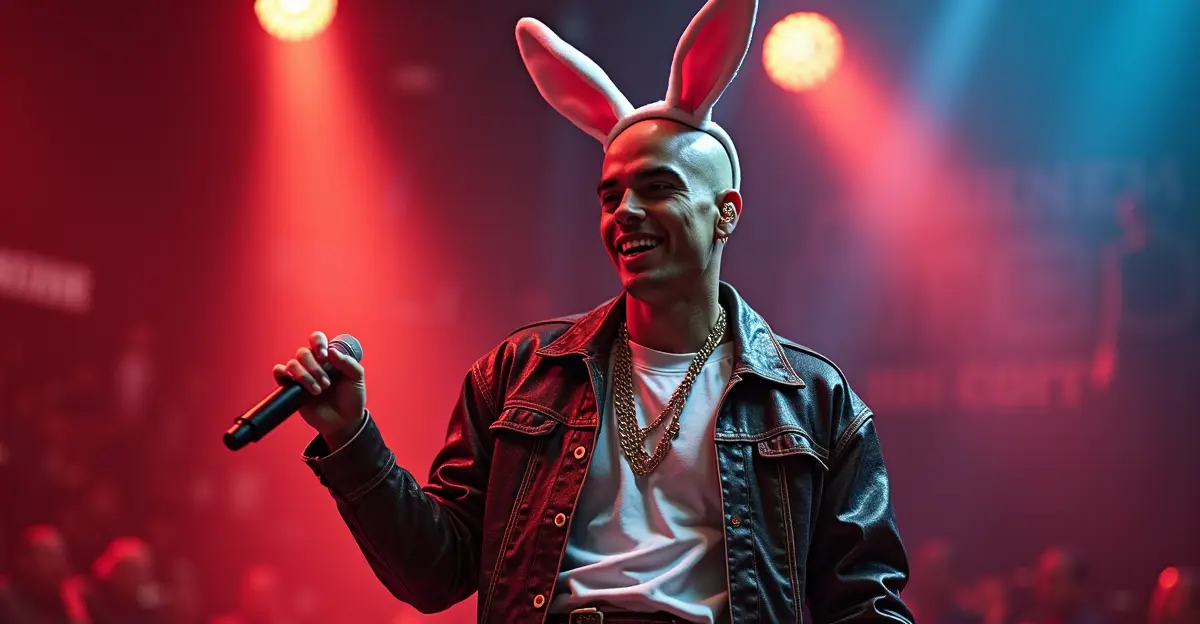
As the United States prepares for Super Bowl 60, the annual championship game of the National Football League, all eyes are on Puerto Rican superstar Bad Bunny, whose halftime performance has become a flashpoint in America's ongoing culture wars. The artist, whose real name is Benito Antonio Martínez Ocasio, is set to make history as the first Latin solo artist to headline the Super Bowl halftime show, but his selection has sparked intense political controversy.
The Controversy Explained
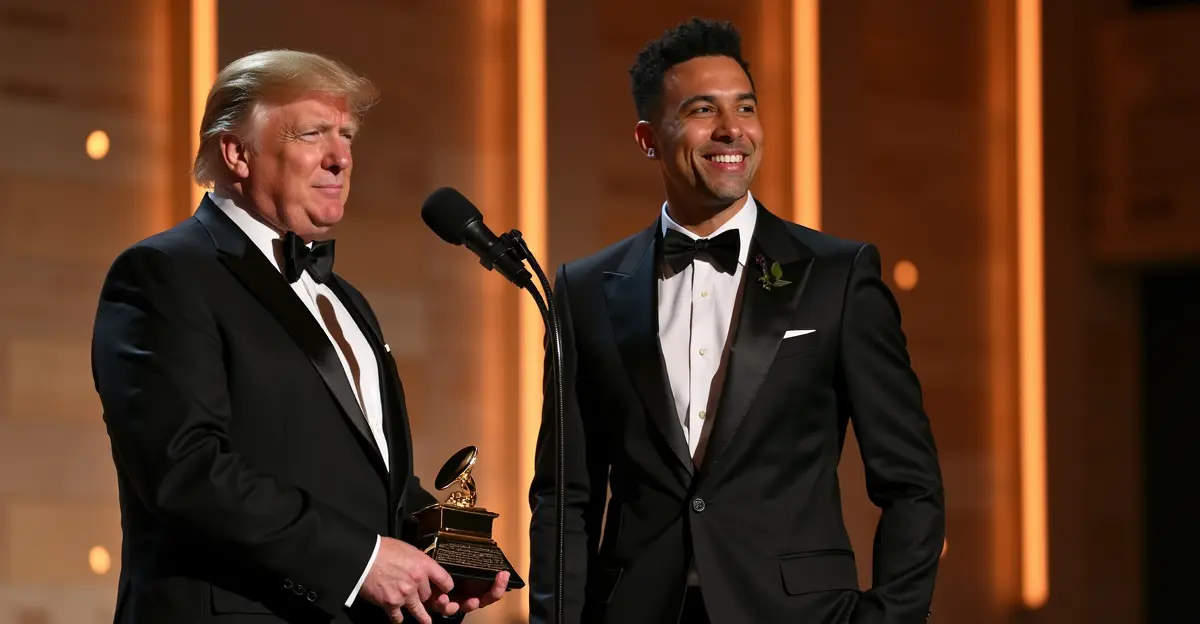
Bad Bunny's outspoken political activism, particularly his criticism of U.S. Immigration and Customs Enforcement (ICE), has made him a polarizing figure. At the 2026 Grammy Awards, where he won Best Música Urbana Album, the artist used his acceptance speech to declare 'ICE out!' and advocate for immigrant rights. This bold statement, coupled with his previous endorsement of Democratic candidates and refusal to tour in the U.S. due to concerns about ICE raids on his fans, has drawn fierce criticism from conservative circles.
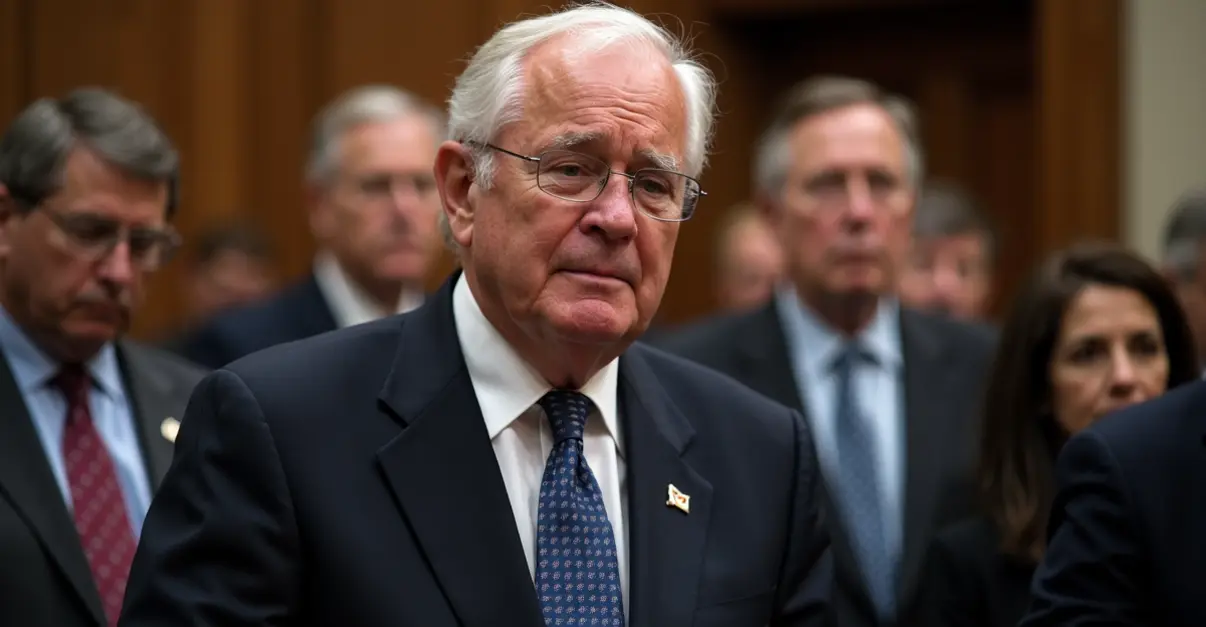
Former President Donald Trump called the NFL's decision 'absolutely ridiculous' and claimed he'd never heard of the artist. Other conservative figures, including House Speaker Mike Johnson, have joined the criticism, with some questioning whether a Spanish-language performer belongs on what they consider an 'American' stage.
Political Backlash and Counter-Programming
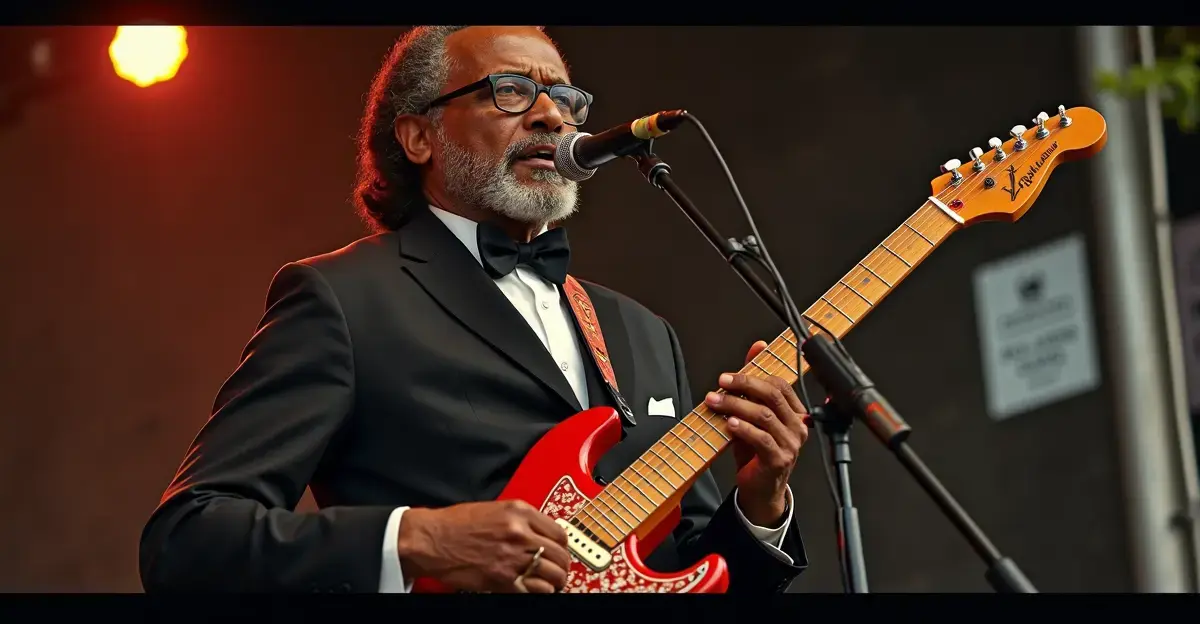
The controversy has led to organized opposition. Conservative organization Turning Point USA announced plans for an alternative 'All-American Halftime Show' featuring Trump-aligned artist Kid Rock. The group stated they wanted to bring 'the American culture war to the main stage' with 'no woke nonsense. Only truth. Only freedom. Only America.'
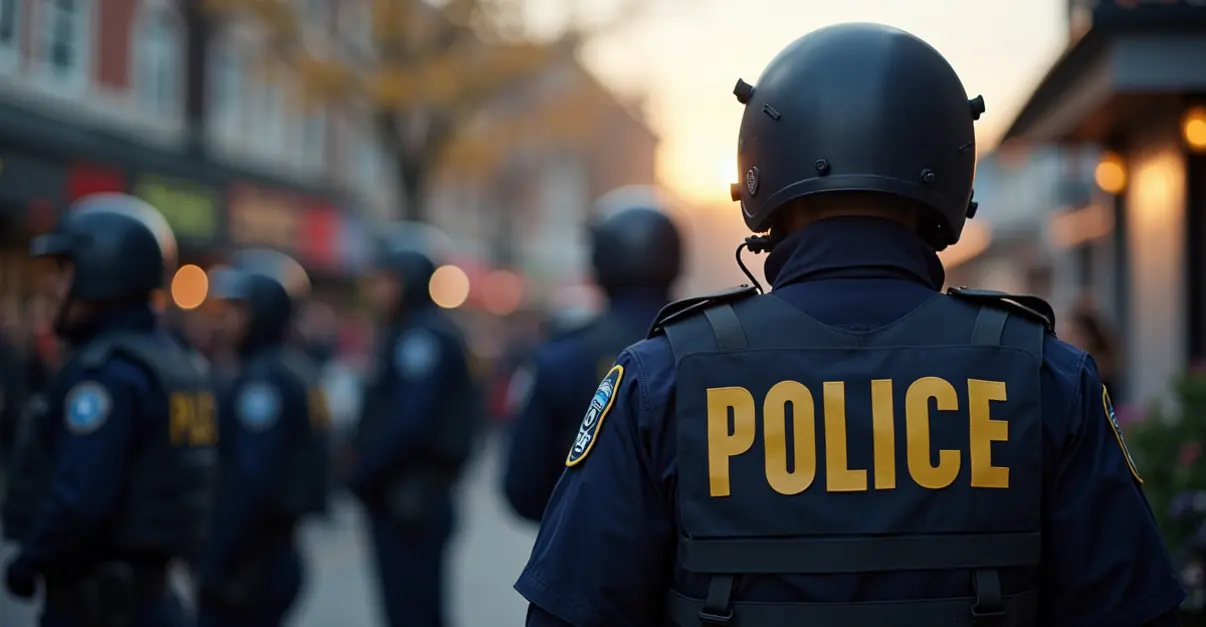
Homeland Security Secretary Kristi Noem added fuel to the fire by warning that ICE agents would be 'all over' the Super Bowl, though her office later walked back the statement. Multiple anti-ICE protests have been announced around the stadium in Santa Clara, California, where the game will be played.
Puerto Rico's Complex Status
At the heart of the controversy lies Puerto Rico's unique political status as a U.S. territory. While Puerto Ricans are American citizens, they lack full voting representation in Congress and cannot vote in presidential elections. This complex relationship has been a recurring theme in Bad Bunny's music, where he explores Latino identity within American society and fears of displacement from his homeland.
Valerie Colon, a 19-year-old Puerto Rican student studying in Washington DC, told reporters: 'He shows that you should pursue your dream, even if you don't speak perfect English or people don't like your presence.' Colon sees Bad Bunny as an important representative for the Latin American community.
NFL's Defense and Global Strategy
Despite the political firestorm, NFL Commissioner Roger Goodell has defended the selection. In a recent statement, Goodell noted that 'all halftime performers receive some criticism' and that Bad Bunny's choice was 'carefully thought through.' The league sees the Puerto Rican superstar as key to expanding its international reach, particularly in Latin America.
Bad Bunny has been Spotify's most-streamed artist globally for four of the past five years, with his latest album earning him a Grammy just last week. His massive popularity represents what the NFL hopes will be a bridge to new audiences worldwide.
A Divided Nation Watches
As millions tune in for what is traditionally America's most-watched television event, the halftime show has become more than just entertainment—it's a referendum on American identity, immigration policy, and cultural representation. Whether Bad Bunny's performance will unite or further divide the nation remains to be seen, but one thing is certain: this Super Bowl halftime show will be remembered as much for its politics as for its music.
Follow Discussion