Nederlands
 English
 Deutsch
 Français
 Español
 Português





Major Federal Drought Relief Package Reaches Farmers Nationwide
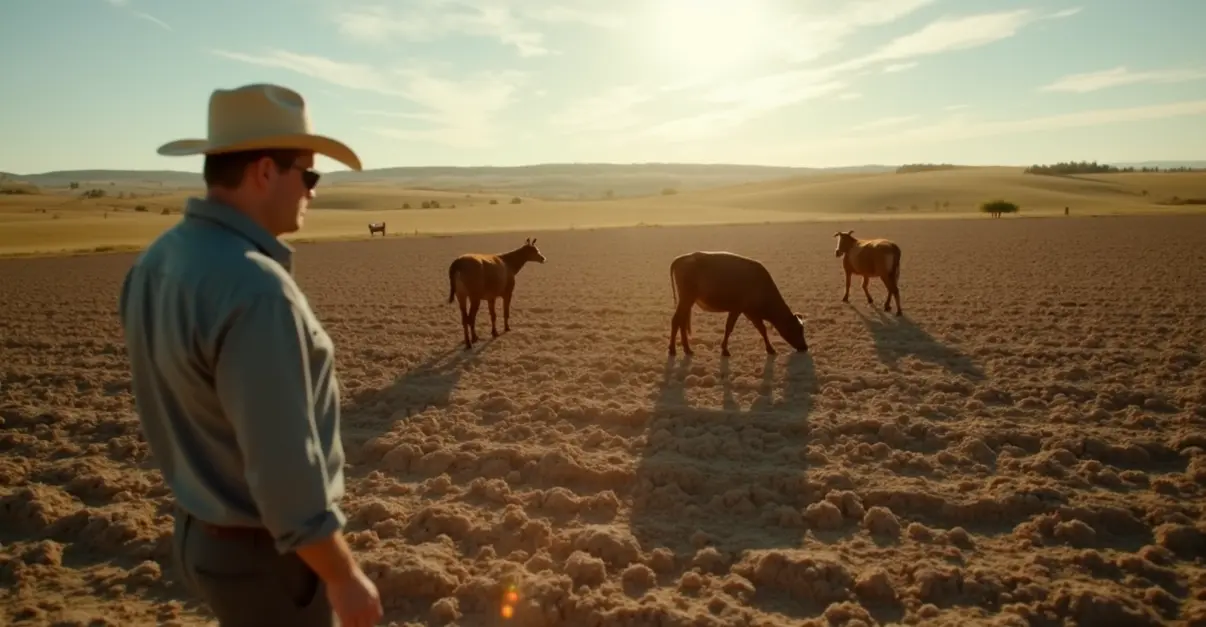
The U.S. Department of Agriculture has launched a comprehensive $16 billion disaster relief program targeting farmers and ranchers impacted by severe drought conditions across the country. The funding, authorized through the American Relief Act of 2025, represents one of the largest agricultural disaster responses in recent years and comes as many regions continue to grapple with persistent dry conditions.
Program Details and Implementation
The relief package includes multiple components designed to address different aspects of agricultural losses. The Emergency Livestock Relief Program (ELRP) provides $2 billion specifically for livestock producers affected by drought, wildfires, or flooding in 2023 and 2024. This program operates through two separate components: ELRP for Drought and Wildfire ($1 billion) compensates producers with approved Livestock Forage Disaster Program applications for grazing losses, while ELRP for Flood and Wildfire ($1 billion) helps offset increased supplemental feed costs.
Additionally, the Supplemental Disaster Relief Program (SDRP) offers broader coverage for various crop losses. The program operates in two stages: Stage One provides expedited payments to producers who already received crop insurance or NAP indemnities, with pre-filled applications mailed starting July 9, 2025. Stage Two for shallow or uninsured losses will open in early fall 2025.
Policy Implications and Market Impact
The timing of this relief package is significant, coming as Congress considers the Drought Assistance Improvement Act (H.R.441) during the 119th Congress session. This proposed legislation aims to enhance federal drought assistance programs, potentially creating more permanent solutions for agricultural support and water resource management.
Market analysts suggest the immediate injection of funds could stabilize commodity prices that have been volatile due to production uncertainties. 'This funding represents a critical lifeline for producers who've been operating on razor-thin margins,' said agricultural economist Dr. Michael Chen. 'While it addresses immediate financial pressures, we need to see parallel investments in long-term drought resilience infrastructure.'
Community Impact and Response
Rural communities across drought-affected regions are already seeing the effects of the funding release. Local Farm Service Agency offices reported high volumes of applications in the first week of the program's launch. 'We've had farmers lining up since 6 AM,' reported Sarah Johnson, a county FSA director in Texas. 'For many, this isn't just about business survival—it's about keeping multi-generational family farms operational.'
The funding also addresses broader community impacts beyond agriculture. According to Drought.gov resources, drought conditions affect water availability, public health, and local economies in interconnected ways. The relief package includes provisions that indirectly support rural communities through maintaining agricultural employment and preventing widespread farm bankruptcies.
Future Outlook and Challenges
While the immediate relief is welcomed, experts emphasize that this represents a reactive approach to a growing climate challenge. The National Integrated Drought Information System (NIDIS) continues to fund research into improved drought indicators and climate adaptation strategies, with recent competitive programs focusing on coping with drought in changing climate conditions.
The program includes requirements that recipients maintain at least 60% crop insurance coverage for the next two years or repay funds with interest—a provision designed to encourage better risk management practices. However, some advocacy groups argue this could create additional financial burdens for the most vulnerable producers.
As drought conditions persist in many regions, with the U.S. Drought Monitor reporting significant areas in 'Severe' to 'Exceptional' drought categories, the effectiveness of this relief package will be closely monitored. The coming months will reveal whether this substantial federal investment can provide both immediate relief and contribute to longer-term agricultural resilience in the face of increasingly frequent and severe drought events.