Nederlands
 English
 Deutsch
 Français
 Español
 Português





Major Drought Relief Funding Released for Struggling Farmers
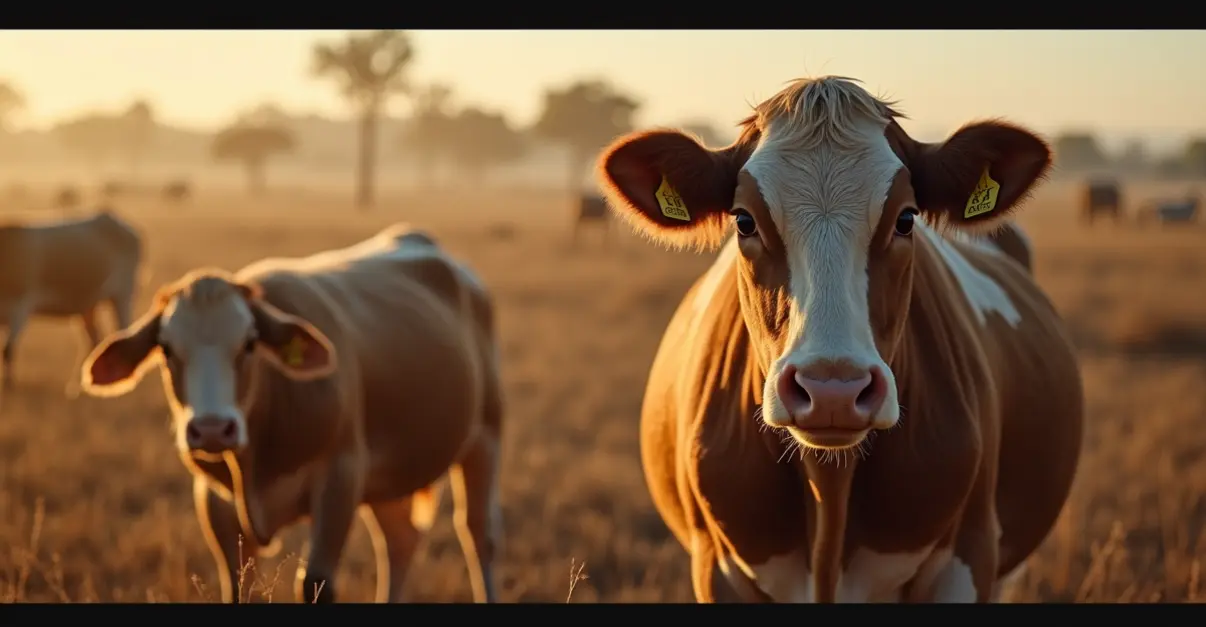
The U.S. Department of Agriculture (USDA) has announced the release of $1 billion in emergency relief funds specifically targeted at livestock producers impacted by severe drought and wildfires in 2023 and 2024. The announcement, made on May 29, 2025, marks a significant step in addressing what has been described as one of the most challenging periods for American agriculture in recent years.
The funding comes from the American Relief Act of 2025, which allocated a total of $21 billion for natural disaster assistance and an additional $10 billion for farm economic aid. This specific $1 billion allocation will be distributed through the Emergency Livestock Relief Program (ELRP), designed to provide immediate support to ranchers and livestock producers who have suffered grazing losses due to extreme weather conditions.
Streamlined Payment Process
One of the most notable aspects of this relief program is its streamlined approach. The USDA will use existing data from the Livestock Forage Disaster Program (LFP) to automatically calculate and distribute payments to eligible producers. This means farmers and ranchers who already have approved LFP applications won't need to take any additional action to receive funds.
'This automatic payment system is crucial for producers who are already stretched thin,' said agricultural economist Dr. Maria Rodriguez. 'The last thing struggling farmers need is more paperwork and bureaucratic hurdles when they're trying to keep their operations afloat.'
Initial payments will be calculated at 35% of eligible losses, with the USDA citing expected high demand as the reason for this partial payment approach. If funds remain after the initial distribution, a second round of payments may be possible later in the year.
Broader Economic Context
The drought relief funding arrives amid a complex economic landscape for American agriculture. According to an American Enterprise Institute report, while farm interest groups have highlighted significant losses due to lower crop prices in 2024, the agricultural sector's overall income was forecast to be above its recent average. The report notes record-high equity levels and a relatively low debt-to-asset ratio of 13.7% across the sector.
However, this macroeconomic picture doesn't reflect the acute challenges faced by individual producers in drought-stricken regions. 'When your pastures are brown and your water sources are dry, national statistics don't mean much,' explained North Dakota rancher Tom Henderson. 'We've been feeding hay since July because there's no grass, and that's costing us thousands every month.'
Tax Relief Measures
Complementing the direct funding, the Internal Revenue Service has also announced significant tax relief measures for farmers and ranchers affected by drought conditions. Under Notice 2025-52, eligible producers who sold or exchanged livestock due to drought can now take up to four years to replace their livestock and defer taxes on gains from these forced sales, doubling the usual two-year replacement period.
This relief applies to livestock held for draft, dairy, or breeding purposes across 49 states, the District of Columbia, and other designated regions. To qualify, farmers must demonstrate that drought prompted the sales and that their area received a federal drought designation during the period from September 1, 2024, to August 31, 2025.
Political and Policy Implications
The release of these funds has significant political dimensions, coming during an election year when agricultural policy often takes center stage. U.S. Senator John Hoeven (R-N.D.) highlighted the importance of the funding, noting that 'this initial $1 billion specifically targets wildfire losses to help North Dakota ranchers recover.'
Agriculture Secretary Brooke Rollins emphasized the administration's commitment to putting farmers first, stating during a recent event at North Dakota State University that 'we're cutting through bureaucratic red tape to get help where it's needed most, when it's needed most.'
The USDA has also launched a Supplemental Disaster Assistance public landing page to provide transparency and updates on aid program rollouts, reflecting increased emphasis on accessibility and communication in disaster response.
Looking Ahead
This $1 billion release represents just the first phase of planned disaster assistance. The USDA has indicated that additional aid for other losses, including flooding and other weather-related damages, will be announced later in the summer. The Emergency Commodity Assistance Program (ECAP) has already distributed over $7.7 billion in market-based aid, with applications due by August 15, 2025.
As climate patterns continue to shift and extreme weather events become more frequent, the debate around agricultural disaster relief is likely to intensify. Some policy analysts question whether current approaches adequately address the structural challenges facing American agriculture in an era of climate change, while others emphasize the immediate need to support producers through difficult seasons.
'We're grateful for the help, but what we really need are long-term solutions,' said California dairy farmer Elena Martinez, whose operation has faced three consecutive years of drought. 'Better water management, more resilient forage varieties, and insurance programs that actually reflect our risks - that's what will keep American agriculture strong for the long haul.'