Nederlands
 English
 Deutsch
 Français
 Español
 Português
USDA announces $16 billion drought relief program for farmers affected by 2023-2024 disasters, featuring two-stage payments, irrigation restriction support, and crop insurance integration as part of broader $30 billion American Relief Act package.
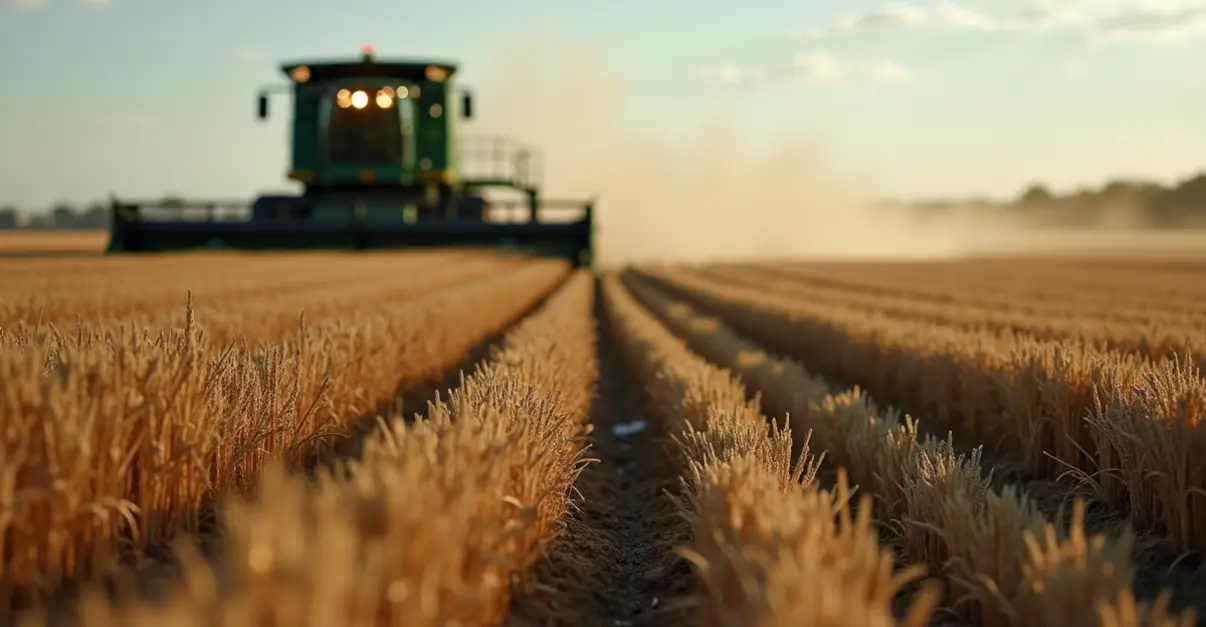
Major Agricultural Drought Emergency Support Package Unveiled
The U.S. Department of Agriculture (USDA) has announced a comprehensive $16 billion emergency support package for farmers grappling with severe drought conditions across multiple states. The Supplemental Disaster Relief Program (SDRP), unveiled by USDA Secretary Brooke L. Rollins on July 9, 2025, represents one of the largest agricultural relief efforts in recent years, targeting producers who suffered crop losses due to natural disasters in 2023 and 2024.
'This assistance comes at a critical time for our farming communities,' Secretary Rollins stated in the announcement. 'We're committed to providing the resources farmers need to recover from devastating drought conditions and prepare for future growing seasons.'
Two-Stage Relief Program Structure
The SDRP operates through a carefully designed two-stage implementation process. Stage One, which began on July 10, 2025, provides pre-filled applications to producers who previously received crop insurance or Noninsured Crop Disaster Assistance Program (NAP) payments. This streamlined approach aims to expedite relief to those already documented in USDA systems.
Stage Two, scheduled to begin in early fall 2025, will address uncovered losses and quality reductions that weren't captured in initial insurance claims. According to USDA program details, eligible disasters include not only drought but also wildfires, hurricanes, floods, derechos, excessive heat, tornadoes, winter storms, freeze events, smoke exposure, and excessive moisture.
Irrigation Restrictions and Payment Mechanisms
A key component of the relief package addresses irrigation restrictions that have plagued agricultural regions experiencing water shortages. The program includes specific provisions for farmers facing mandatory water use reductions, with payment calculations accounting for reduced yields due to irrigation limitations.
'When you can't irrigate properly, your entire season's work is at risk,' explained Colorado wheat farmer Michael Henderson, who has experienced three consecutive years of drought conditions. 'These relief payments recognize that some losses are beyond our control, even with the best management practices.'
The payment structure uses a formula calculating either 26% of economic losses or 8% of Price Loss Coverage reference prices, whichever provides greater assistance. Initial payment rates include $42.91 per acre for corn, $29.76 for soybeans, and $30.69 for wheat, with farmers receiving 85% of expected payments initially and potential second payments if funds remain after August 15.
Crop Insurance Integration and Requirements
The emergency support program is closely integrated with existing crop insurance mechanisms, creating a safety net that addresses both insured and uninsured losses. Producers receiving SDRP payments must purchase federal crop insurance or NAP coverage at 60% or higher for the next two crop years, ensuring continued risk management.
According to DTN Progressive Farmer analysis, this requirement strengthens the overall agricultural risk management system while providing immediate relief. Producers with crop insurance can receive payments covering up to 90% of disaster-related revenue losses, while uninsured producers are capped at 70% coverage.
Broader Context: The 2025 American Relief Act
The SDRP is part of the larger $30 billion disaster assistance package included in the 2025 American Relief Act, which Congress passed in December 2024. This comprehensive legislation also extends the 2018 farm bill through September 30, 2025, preventing markets from going over the 'Dairy Cliff' that would have required USDA to purchase dairy at about twice current market prices.
Agricultural economic analysis shows the broader package provides $9.8 billion in market relief payments for 20 covered crops, with corn, soybeans, and wheat accounting for 80% ($7.9 billion) of total payments. Texas leads state distributions with $963 million primarily for cotton, followed by Iowa ($846 million) and Illinois ($790 million).
Environmental and Economic Implications
The drought relief announcement comes as climate scientists warn of increasing frequency and severity of drought events due to climate change. The Wikipedia entry on drought notes that drought is 'becoming more extreme and less predictable due to climate change,' with significant impacts on agriculture, ecosystems, and local economies.
Agricultural economists have mixed views on the relief package. While acknowledging the immediate need, some analysts question whether further subsidies are necessary given the agricultural sector's current financial strength. An AEI report argues that despite farm lobby claims of catastrophic losses, the agricultural sector entered 2025 with record-high equity levels and a low debt-to-asset ratio of 13.7%.
'We need to balance immediate relief with long-term sustainability,' said agricultural policy expert Dr. Sarah Chen. 'While these payments help farmers survive difficult seasons, we also need to invest in drought-resistant crops and water conservation technologies that reduce vulnerability in the first place.'
Application Process and Timeline
Farmers can apply for relief through their local USDA Service Centers, with Stage One applications accepted until April 30, 2026. The USDA has emphasized the importance of timely reporting, with specific deadlines varying by program from 72 hours to March 1 following the disaster year.
The agency has also launched digital tools to help producers navigate available resources, including the Disaster Assistance Discovery Tool and Farm Loan Assistance Tool available on Farmers.gov.
As drought conditions continue to challenge American agriculture, this $16 billion relief package represents a significant federal response to what many farmers describe as their most pressing concern. With proper implementation and continued focus on both immediate relief and long-term resilience, the program aims to stabilize agricultural communities facing unprecedented climate challenges.