Nederlands
 English
 Deutsch
 Français
 Español
 Português





Secret Meetings Between US Officials and Canadian Separatists Spark Diplomatic Crisis
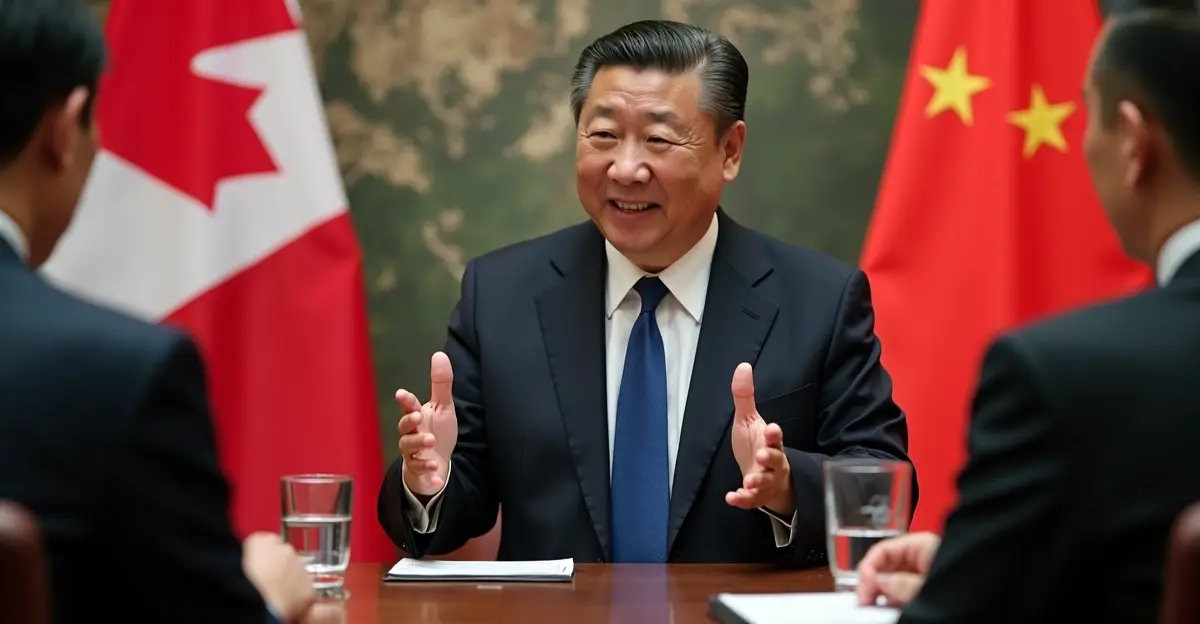
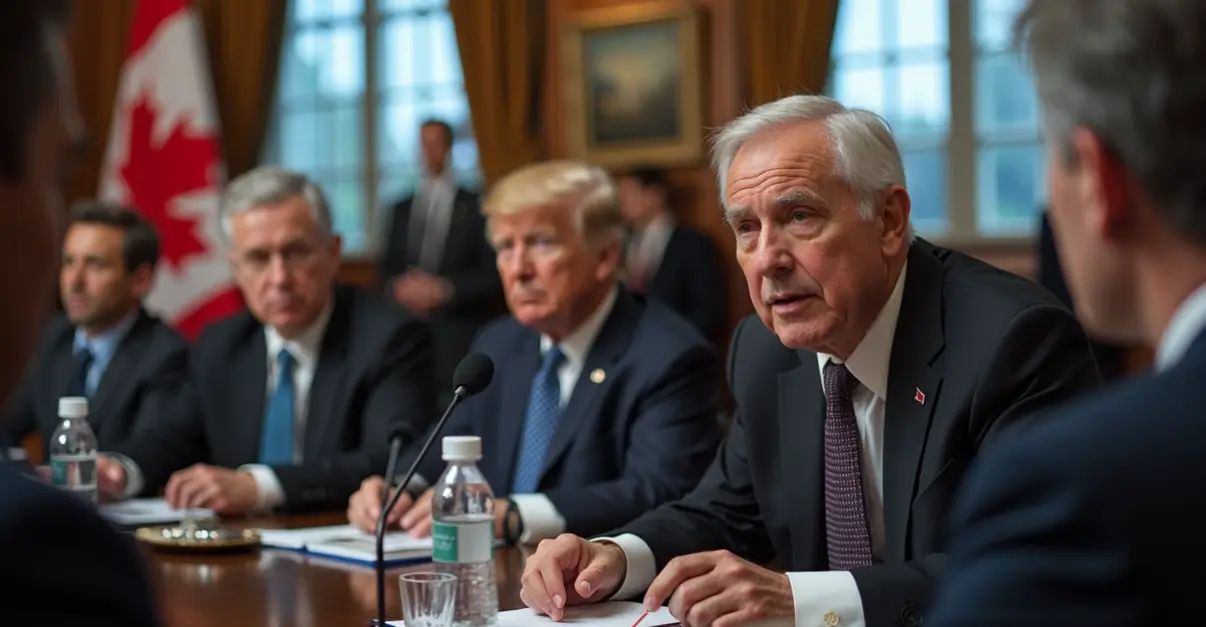
Senior US State Department officials have held multiple secret meetings with leaders of a Canadian separatist movement seeking to split Alberta from Canada, according to reports that have sent shockwaves through diplomatic circles. The meetings between American officials and representatives of the Alberta Prosperity Project (APP) occurred three times over the past nine months in Washington, D.C., raising serious questions about US interference in Canadian domestic affairs.
The Alberta Prosperity Project's Agenda
The Alberta Prosperity Project is a separatist organization advocating for Alberta's independence from Canada. The group, which has gained momentum following the 2025 federal election that resulted in a fourth consecutive Liberal victory, aims to hold a referendum on Alberta sovereignty. According to Firstpost, the APP has detailed plans for transitioning to nationhood, including creating its own constitution and managing areas like energy, immigration, and defense.
Jeffrey Rath, legal counsel for the APP, claimed the meetings involved "very, very senior people" who went "directly to the Oval Office." Rath told reporters, 'We discussed the possibility of a $500 billion credit facility from the US to support Alberta if an independence referendum passes. The US officials were extremely enthusiastic about a free and independent Alberta.'
Canadian Leaders React With Fury
The revelations have triggered strong reactions from Canadian political leaders. British Columbia Premier David Eby didn't mince words: 'Seeking foreign help to break up the country - we have a very old-fashioned word for that. And that is treason.'
Prime Minister Mark Carney took a more measured but firm stance: 'I expect the United States to respect Canadian sovereignty,' he stated, declining to elaborate further on what he called a "minor diplomatic incident."
Alberta Premier Danielle Smith, who has been sympathetic to separatist sentiments in the past, acknowledged the meetings but downplayed their significance. 'These were routine civil society engagements,' she said, while also noting that Albertans have "legitimate grievances" with Ottawa regarding energy policies and equalization payments.
US Response and Broader Context
The US State Department confirmed the meetings but emphasized that "no commitments were made" during the discussions. A spokesperson stated, 'We regularly speak with people from civil society and never make promises during such engagements.'
However, the meetings fit into a broader pattern of US engagement with populist movements abroad. As reported by The New Republic, US Treasury Secretary Scott Bessent has publicly praised Albertan independence, calling the oil-rich province "a natural partner for the US." This comes less than a year after Vice President JD Vance shocked European allies by openly expressing support for Germany's far-right AfD party in Munich.
Legal and Political Implications
Under Canadian law, specifically the Clarity Act passed in 2000, provinces cannot unilaterally secede from Canada. Even if a referendum were successful, it would trigger complex constitutional negotiations requiring approval from the federal government and other provinces. According to Al Jazeera, polls show about 30% of Albertans support starting the independence process, though many analysts view this as symbolic protest rather than genuine desire for separation.
The Alberta Prosperity Project is currently gathering signatures to trigger a citizen-led referendum, while a counter-petition called "Alberta Forever Canada" opposing separation has already garnered over 438,000 signatures.
Diplomatic Fallout
The meetings risk worsening US-Canada relations that have already been strained by recent trade disputes and political tensions. Some analysts suggest this represents a shift in US foreign policy toward more direct engagement with separatist movements in allied countries. The situation remains fluid, with both governments attempting to downplay the significance of the meetings while acknowledging the sensitive nature of the discussions.
As one Canadian diplomat, speaking on condition of anonymity, told reporters: 'This isn't just about Alberta - it's about whether the US respects the sovereignty of its closest allies. If they're doing this to Canada, what does that mean for other countries?'