Nederlands
 English
 Deutsch
 Français
 Español
 Português
Canada and China reset relations with major trade deal as PM Carney calls partnership 'more predictable than with US' amid tensions with Trump administration.
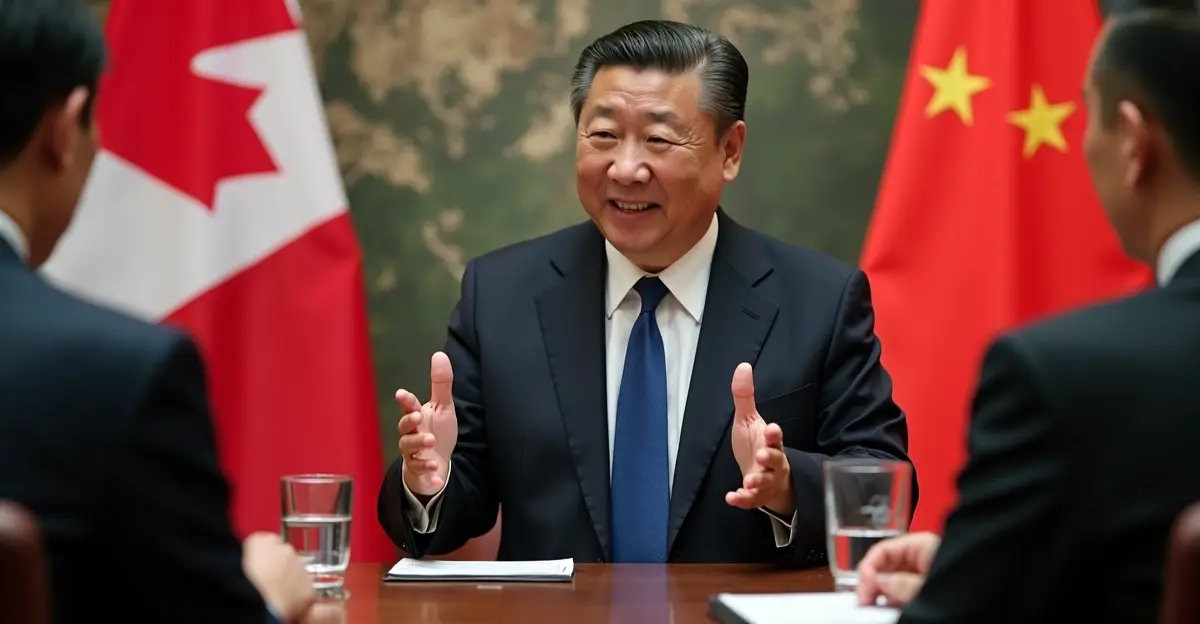
Canada and China Reset Relations with Major Trade Deal
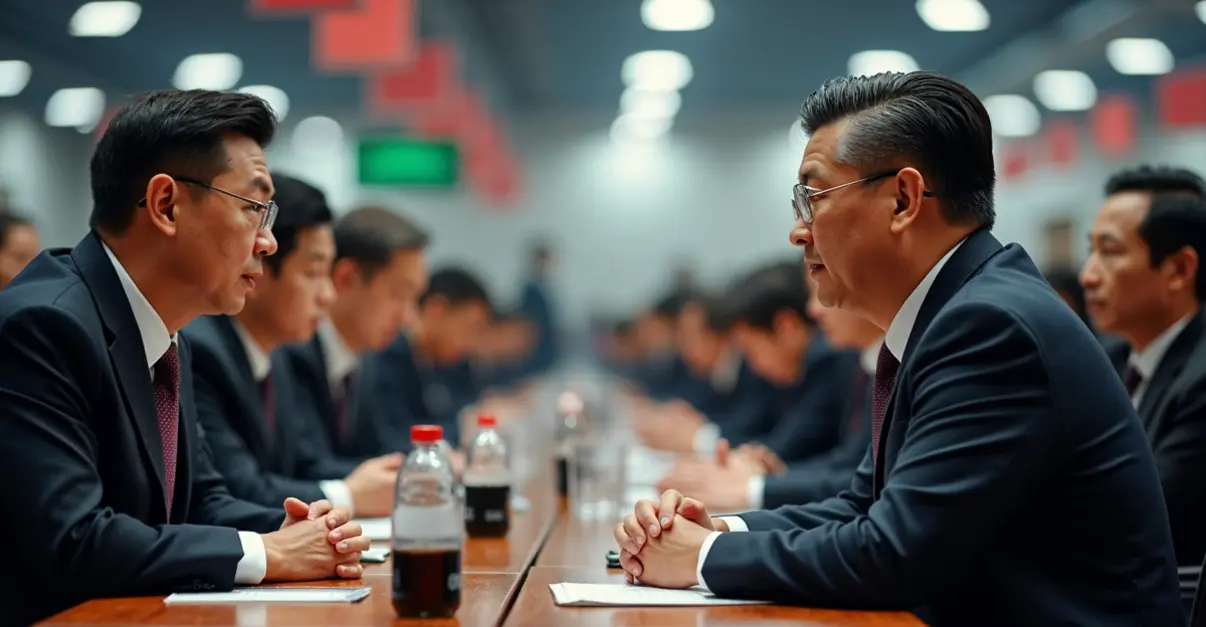
In a significant diplomatic shift, Canadian Prime Minister Mark Carney and Chinese leader Xi Jinping have announced a major reset in bilateral relations during Carney's two-day visit to Beijing. The agreement marks a strategic pivot for Canada as it seeks to diversify trade partnerships amid escalating tensions with its southern neighbor, the United States.
A 'More Predictable' Partnership
Prime Minister Carney made headlines when he described Canada's relationship with China as 'more predictable than with the US' during a press conference with traveling journalists. 'I appreciate that in my conversations with Chinese leaders, I know what we can agree on - and where our differences lie,' Carney stated. 'That kind of honest and consistent dialogue leads to a more predictable and effective relationship.'
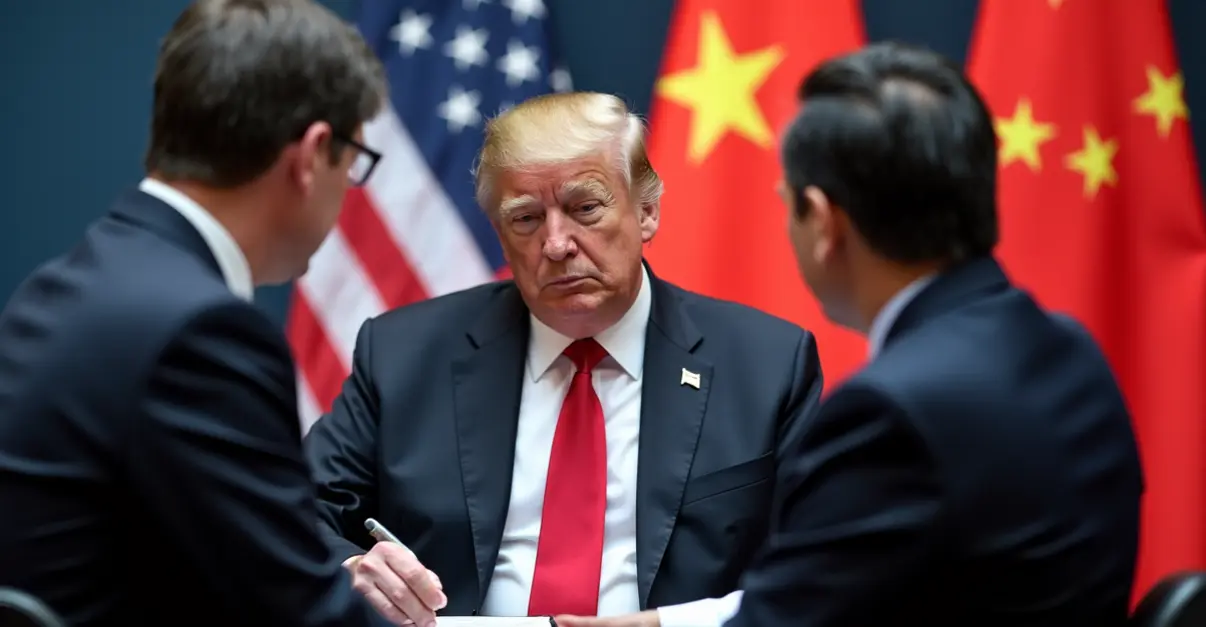
These comments are widely interpreted as veiled criticism of U.S. President Donald Trump, who has spent roughly a year suggesting Canada should be annexed by the United States. Trump has imposed trade sanctions to achieve this goal, causing significant anger and anxiety among Canadians.
Key Trade Concessions
The centerpiece of the new agreement involves significant tariff reductions on both sides. Canada will eliminate its 100% tariff on Chinese electric vehicles, allowing up to 49,000 EVs into the Canadian market with a reduced 6.1% tariff. In return, China will reduce tariffs on Canadian canola seed from approximately 85% to 15% by March 1, 2026, and eliminate tariffs on Canadian canola meal, lobsters, crabs, and peas from March through the end of the year.
'These have been two productive days,' Carney remarked after the meetings. Before his departure for China, the prime minister had stated that his primary goal was to make Canada less dependent on the United States, its neighbor and main trading partner, 'in a time of global trade chaos.'
Historical Context and Diplomatic Reset
The relationship between Canada and China had deteriorated significantly under previous Prime Minister Justin Trudeau. The two countries imposed substantial import tariffs on each other's export products and arrested each other's citizens. During Trump's first term, Canada arrested Huawei CFO Meng Wanzhou on suspicion of violating U.S. embargoes against Iran, triggering a diplomatic crisis that lasted years.
The liberal former banker Carney won elections last year partly because of his promise to firmly resist Trump. His current visit represents a calculated effort to improve ties with China while navigating complex global trade dynamics.
Strategic Implications
Carney emphasized that while Canadian ties with the United States remain 'much more multifaceted, deeper and broader than those with China,' the current geopolitical landscape necessitates diversification. Since beginning his second term, Trump has erected trade barriers with virtually every country in the world under the banner of 'America First.'
The agreement comes as the Canada-U.S.-Mexico Agreement (CUSMA) faces a mandatory review in 2026, with Trump calling the deal 'transitional' and suggesting he might let it expire. Canada is preparing for high-stakes negotiations while actively working to strengthen alternative trade relationships.
This diplomatic reset represents a pragmatic approach by Canada to navigate an increasingly complex global trade environment, balancing historical alliances with emerging economic realities.