Nederlands
 English
 Deutsch
 Français
 Español
 Português





Massive Protests Sweep Minneapolis as ICE Controversy Deepens
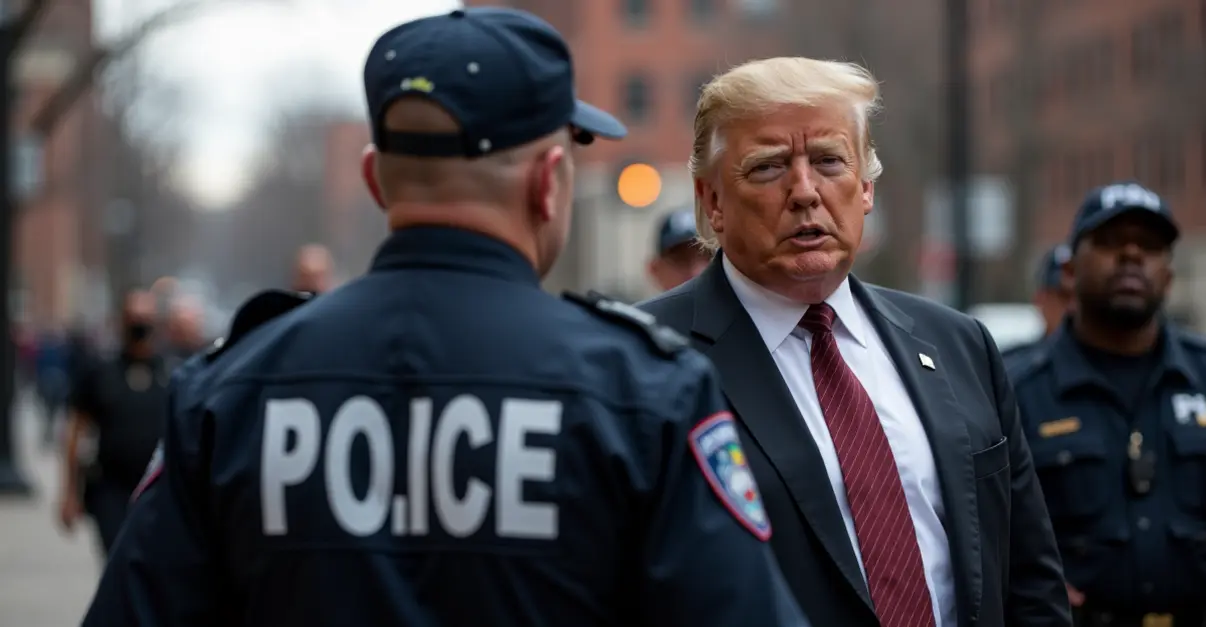
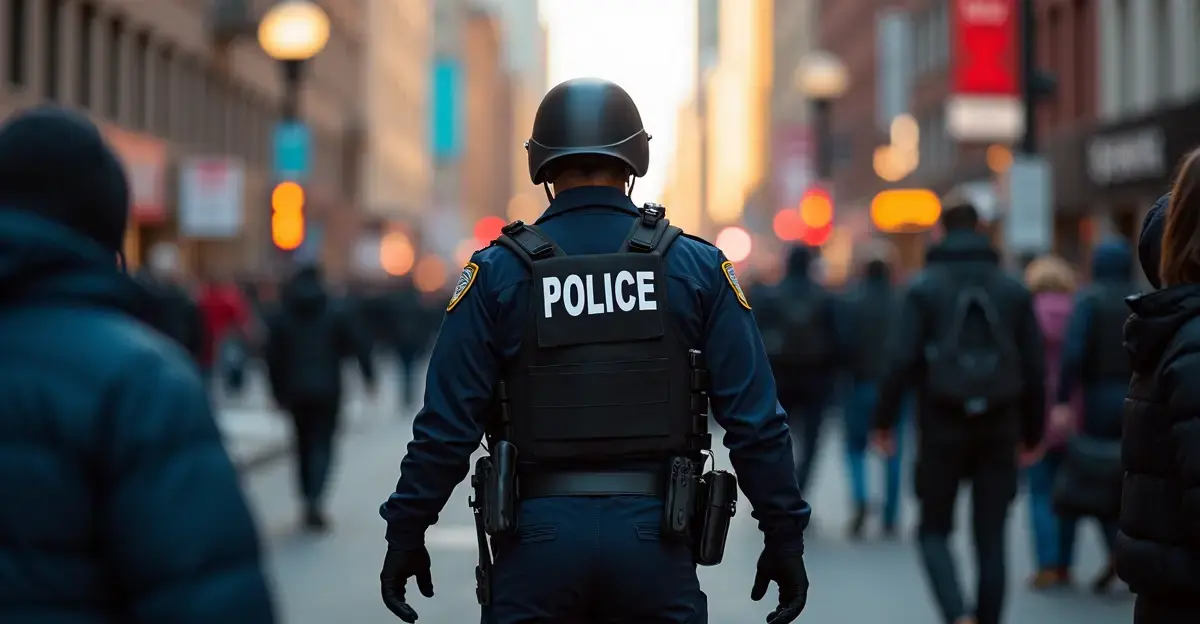
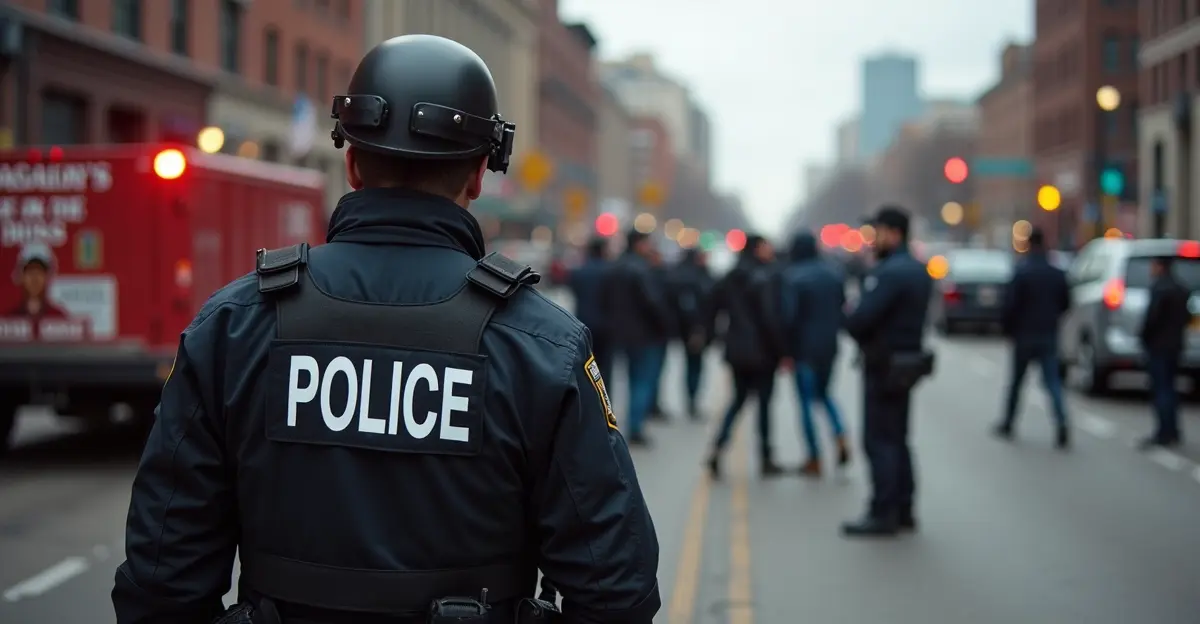
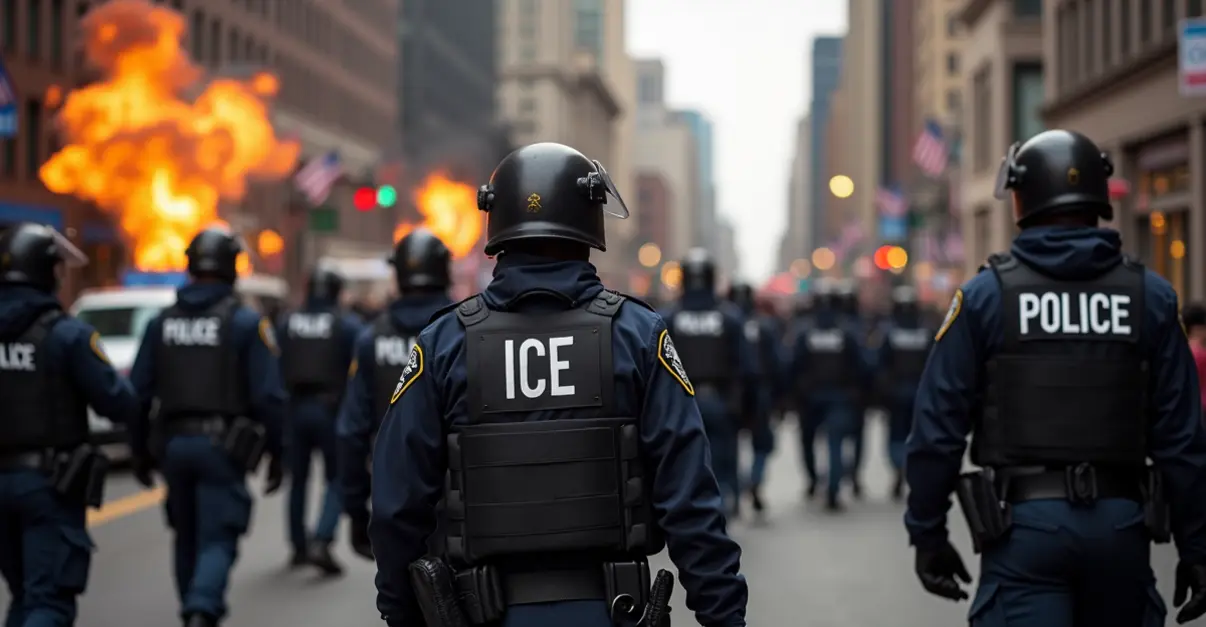
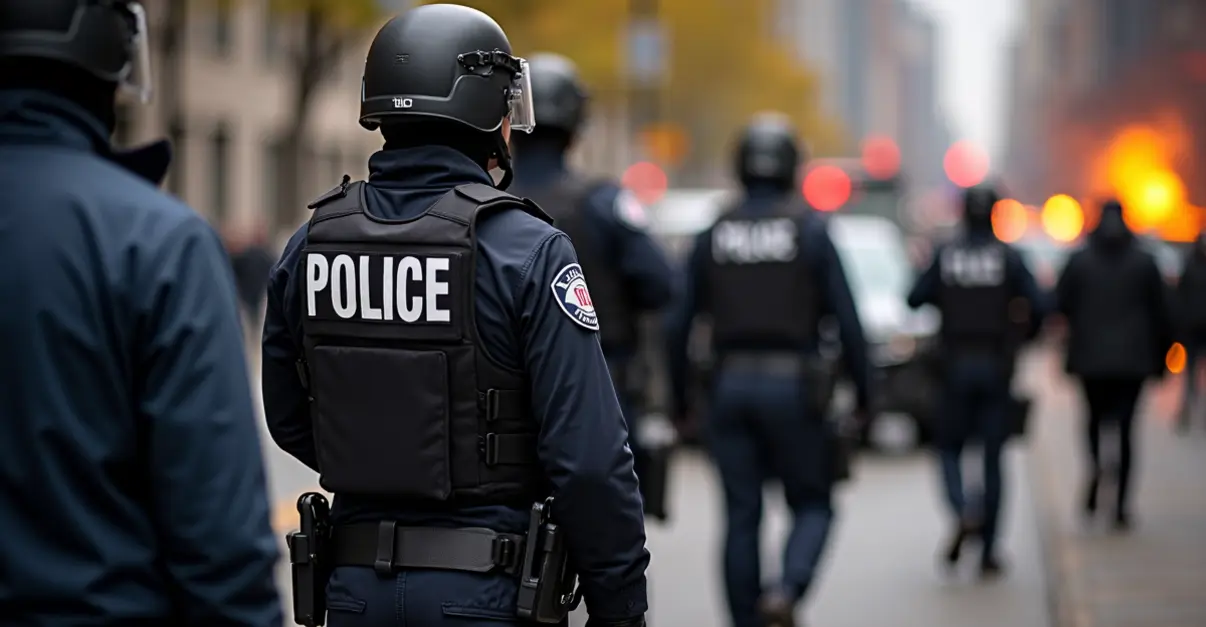
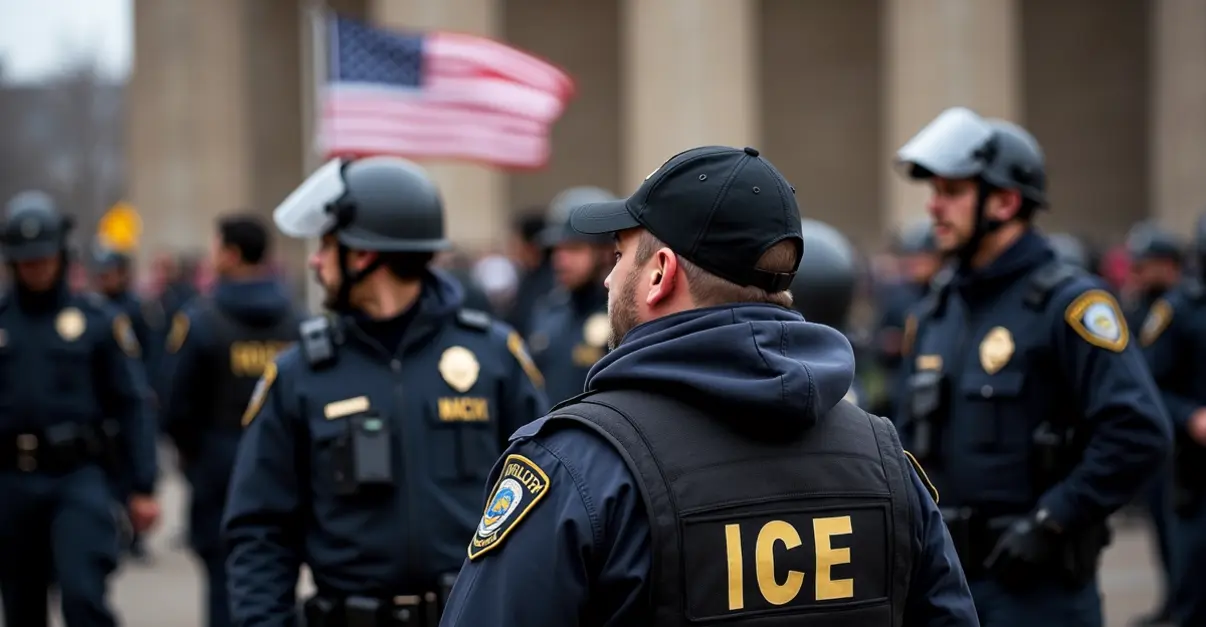
Thousands of demonstrators braved freezing temperatures in Minneapolis on Friday, marking another major wave of protests against Immigration and Customs Enforcement (ICE) operations. The protests, which spread to dozens of other U.S. cities including New York, Chicago, and Washington, come amid revelations that ICE agents have been granted expanded powers to make warrantless arrests.
The demonstrations were particularly significant in Minneapolis, where two people—Renee Good and Alex Pretti—were fatally shot by federal agents in recent weeks. 'I am here to fight for my parents' American dream,' one protester told Reuters, identifying herself as the daughter of Russian Jewish immigrants who came to the U.S. seeking safety and opportunity.
Bruce Springsteen's Protest Concert
Adding cultural weight to the protests, legendary musician Bruce Springsteen performed a benefit concert in downtown Minneapolis, singing his new protest song 'Streets of Minneapolis' dedicated to the victims. The concert raised funds for the families of Good and Pretti, whose deaths have become rallying cries for the anti-ICE movement.
'Sometimes you have to punch someone in the face,' Springsteen told the crowd, referencing the need to confront injustice directly. His involvement brought national attention to the local conflict, with the song specifically criticizing former President Donald Trump and ICE operations.
Expanded ICE Powers Revealed
According to an internal memo obtained by The New York Times, ICE agents have been granted authority to arrest individuals without warrants—a significant expansion of their powers. Previously, agents needed specific warrants for targeted operations, but now they can detain people they encounter and suspect of being undocumented immigrants.
'Everyone has rights, and the federal government seems to have forgotten that,' a protester told the Associated Press, describing witnessing federal agents stopping immigrants at a bus stop.
National Day of Action
The protests were part of a coordinated 'National Day of Action' with participants following the motto: 'No work. No school. No shopping. Stop funding ICE.' Several schools in Minneapolis closed on Friday, anticipating low attendance as students joined the protests.
Outside the city, hundreds gathered at a federal building, shouting at Department of Homeland Security agents to resign and leave Minnesota. A 65-year-old woman called the deployment of thousands of ICE agents to Minneapolis 'a fascist attack by our federal government on citizens.'
Political Context and Response
The protests occur against the backdrop of the Trump administration's immigration policies, which have made ICE the largest and most well-funded federal law enforcement agency in U.S. history according to Wikipedia. President Trump recently stated he wanted to 'de-escalate a little' the situation in Minneapolis but firmly rejected withdrawing ICE when questioned by journalists.
The Department of Justice has opened investigations into the fatal shootings, while Minnesota Governor Tim Walz has vowed to continue pressing the administration for impartial investigations and removal of federal forces.
As tensions continue to simmer, the Minneapolis protests represent a growing national movement questioning the scope and methods of immigration enforcement in America.