Nederlands
 English
 Deutsch
 Français
 Español
 Português





ICE's Radical Transformation Under Trump's Second Term
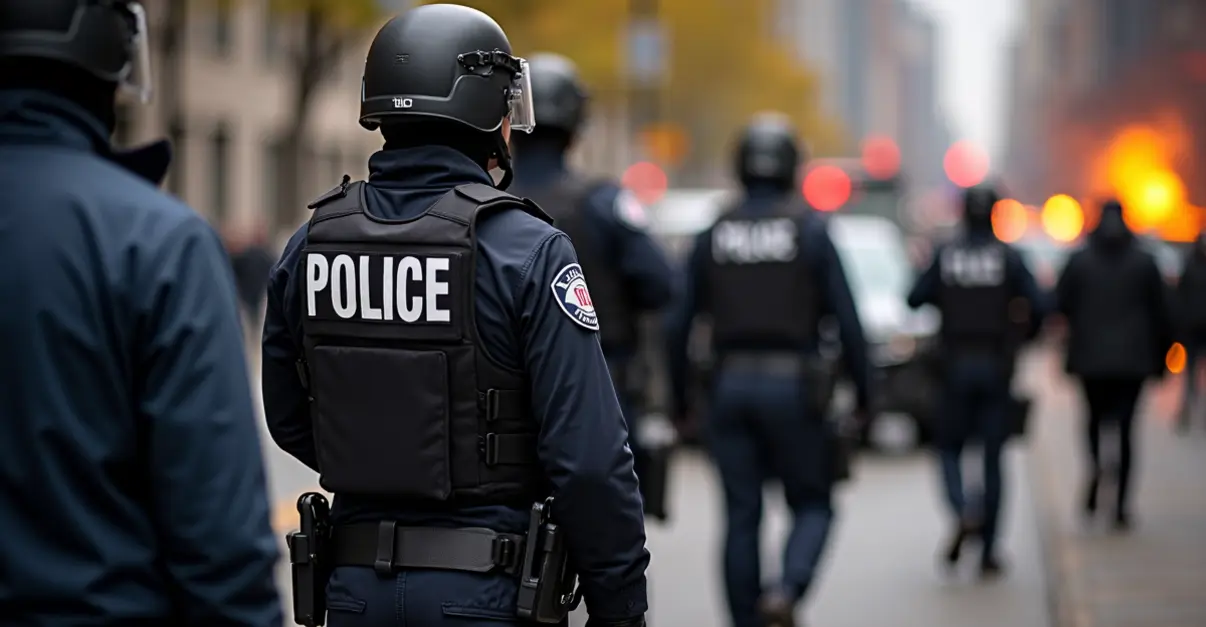
What began as a post-9/11 immigration enforcement agency has transformed into what critics describe as a paramilitary force operating with unprecedented power across American cities. The fatal shooting of 37-year-old Renee Good in Minneapolis by an Immigration and Customs Enforcement (ICE) agent in January 2026 has brought renewed scrutiny to an agency that has undergone dramatic expansion and militarization during President Trump's second administration.
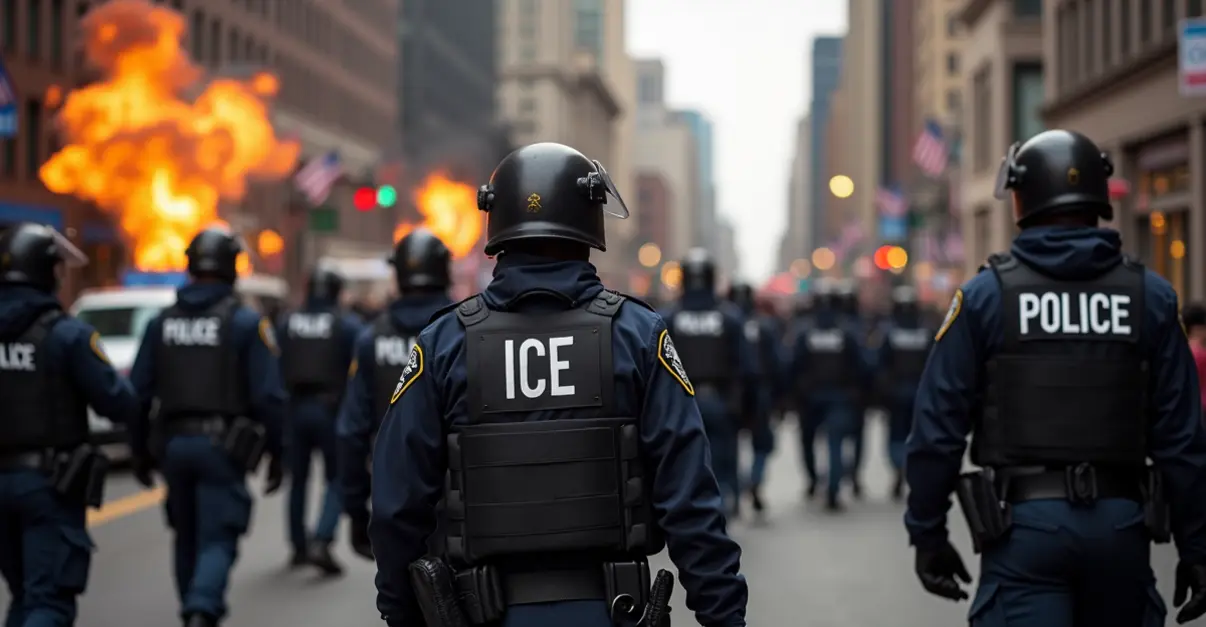
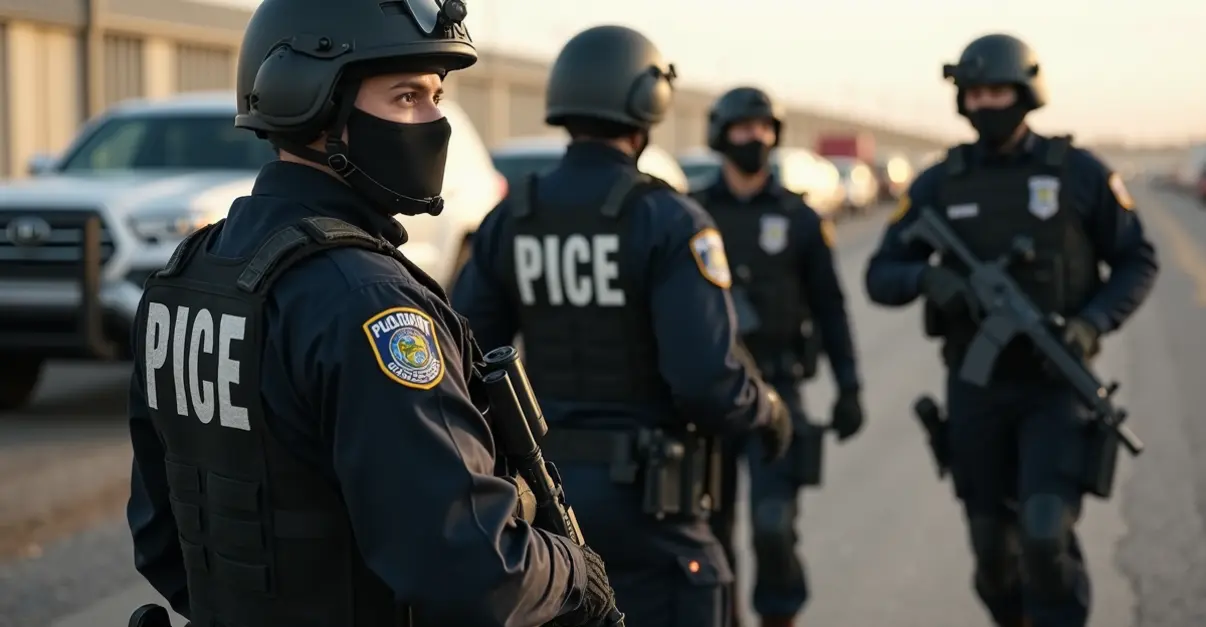
'Zwaar bewapend en gehuld in zwarte bivakmutsen zaaien ze angst in Amerikaanse steden,' says America expert Kenneth Manusama, describing the current state of ICE operations. 'It has the characteristics of a paramilitary group, fitting for an autocratic regime, directly controlled by the White House.'
Unprecedented Expansion and Recruitment
ICE has grown from approximately 10,000 agents at the beginning of 2025 to 22,000 today—more than doubling in size in just one year according to government data. This explosive growth has been fueled by Trump's promise to deport 'at least 10 million people without residency permits' and the passage of the One Big Beautiful Bill Act in 2025, which allocated nearly $170 billion for immigration enforcement.
The recruitment standards have been dramatically lowered to meet these targets. 'As soon as you're 18 and have completed an eight-week training, you can start working at ICE,' explains Manusama. 'Then these often inexperienced recruits have to do very complicated things. They suddenly find themselves in large protests and have to deal with firearms. That's asking for trouble.'
Professor Jack Thompson of American Studies at the University of Amsterdam notes that ICE is attracting the wrong kind of personnel: 'They're flyering at so-called gun shows, events where firearms, ammunition and knives are sold. That mainly attracts men with a right-wing, conservative background. People who often already have a negative view of immigrants and are inclined to work even more aggressively.'
Controversial Tactics and Civil Rights Concerns
ICE agents have been documented using unmarked vehicles, wearing civilian clothing with black balaclavas, and conducting what critics describe as racial profiling operations. 'Randomly, people are stopped on the street and asked for their papers, often based on skin color,' says Manusama. 'People are harassed on the street, at their workplace, sometimes even parents are taken while their children are left alone in the car. According to the constitution, this is not allowed, but no one whistles the agents back. And the White House stands firmly behind them.'
The agency's detention facilities have also come under fire. According to a recent report, hundreds of thousands of people, the vast majority without criminal records, are being held under harsh conditions. In 2025 alone, 32 people died while in ICE custody—the agency's deadliest year in two decades.
Growing Public Backlash and Political Response
The death of Renee Good has sparked nationwide protests with signs reading 'Melt ICE,' 'I like my ICE crushed,' and 'ICE out for Good.' Recent polling shows increasing numbers of Americans believe ICE has gone too far.
However, the Trump administration has dismissed protesters as 'domestic terrorists' undermining national security. Thompson notes the political challenges: 'The Democrats don't speak out strongly enough and have no stick to hit with. I don't expect anything to happen before the midterm elections, late this year. So until then, ICE can just go its way.'
As ICE continues its operations with expanded powers and minimal oversight, the agency represents what many see as a fundamental shift in American law enforcement—from immigration service to what critics increasingly describe as a paramilitary force operating with impunity.