Deutsch
 English
 Español
 Français
 Nederlands
 Português






Senate Rebukes Trump's Military Ambitions
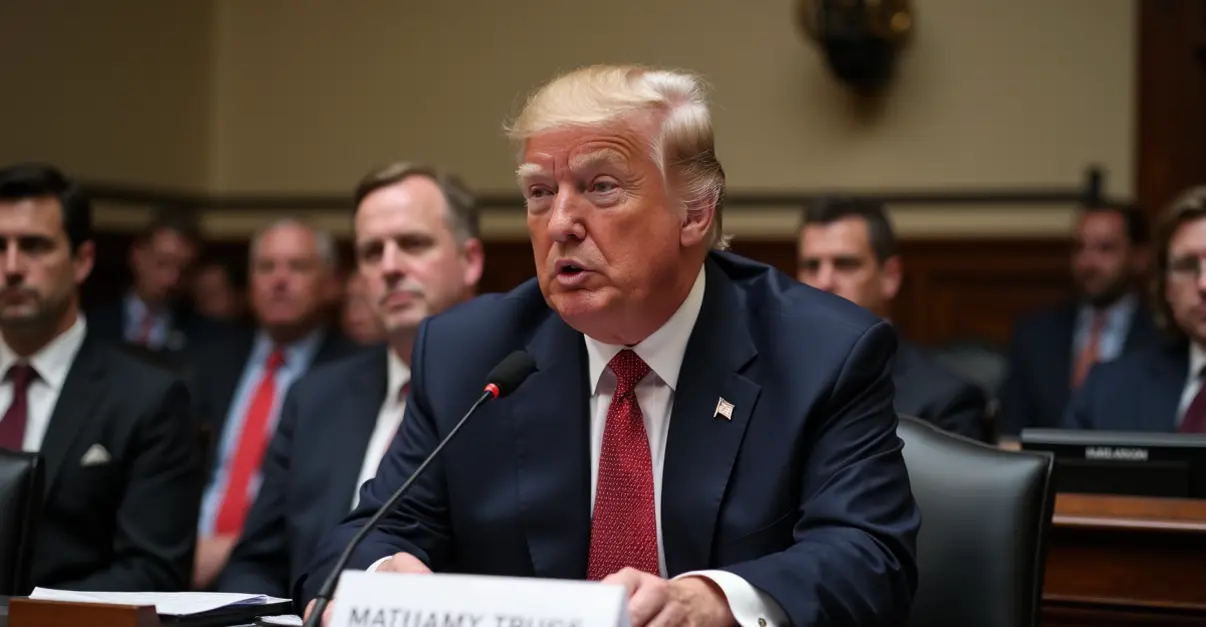
In a significant bipartisan rebuke to President Donald Trump's foreign policy, the U.S. Senate has voted 52-47 to advance a war powers resolution aimed at limiting the president's ability to conduct further military operations in Venezuela without congressional approval. The vote represents a rare moment of Republican defiance against Trump, with five GOP senators joining all Democrats to support the measure.
Breaking Republican Ranks
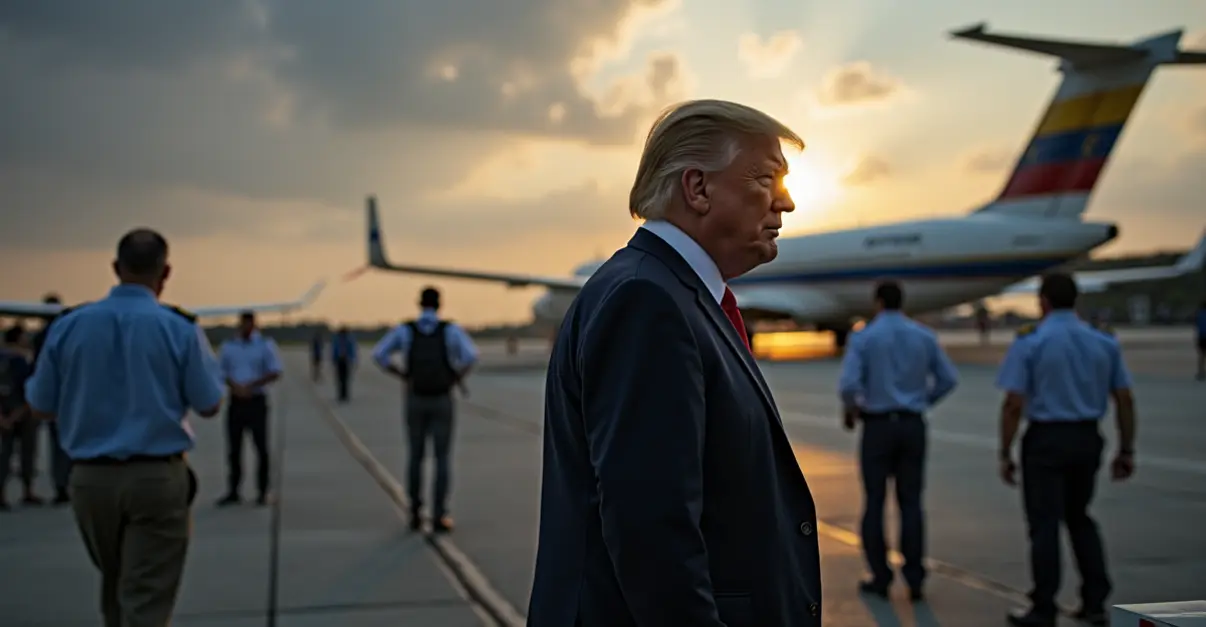
The resolution, introduced by Senator Tim Kaine, would require the removal of U.S. forces from hostilities in Venezuela not authorized by Congress. The move comes just days after U.S. forces captured Venezuelan President Nicolás Maduro in a nighttime raid that reportedly left at least 100 people dead, according to Venezuelan officials. The Trump administration conducted the operation without seeking congressional authorization, sparking immediate backlash on Capitol Hill.
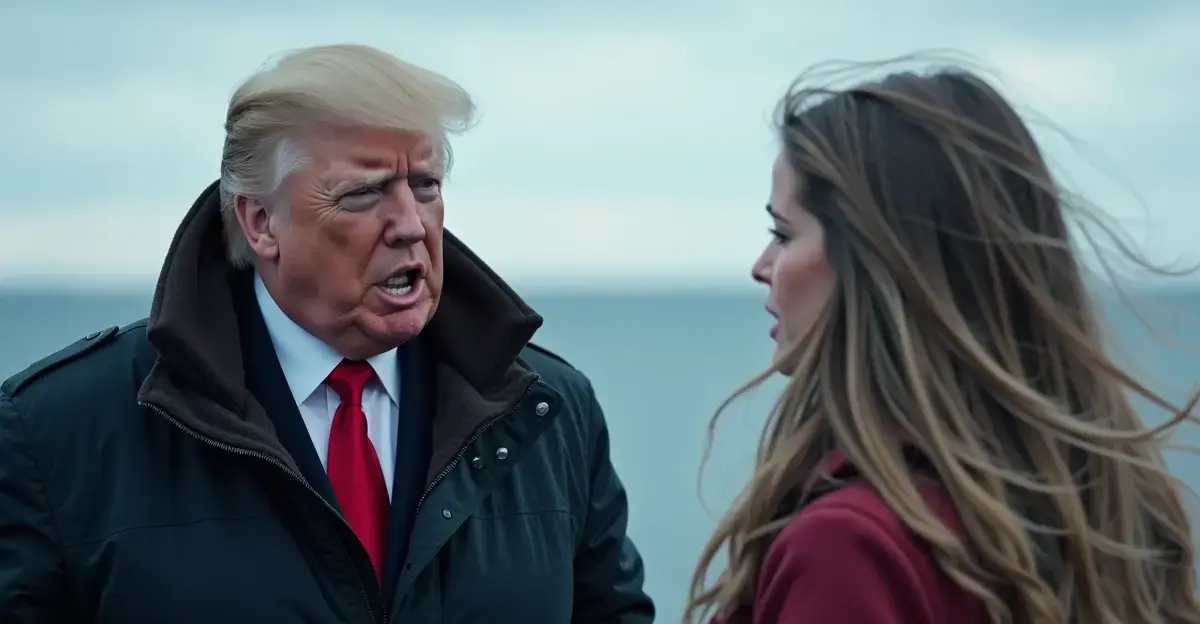
'Susan Collins, Lisa Murkowski, Rand Paul, Josh Hawley, and Todd Young should never be reelected,' Trump fumed on his Truth Social platform, accusing the five Republican senators of undermining national security.
Constitutional Concerns and Future Operations
The Republican senators who broke ranks expressed concerns about Trump's expansive interpretation of presidential war powers. 'The circumstances have changed,' said Senator Susan Collins after voting for the resolution. 'I support last week's operation, but that does not apply to a prolonged military deployment of American troops.'
Collins specifically referenced Trump's aspirations regarding Greenland in her statement, noting: 'I do not support deploying additional U.S. troops or engaging in prolonged military involvement in Venezuela or Greenland without specific congressional authorization.'
Senator Todd Young echoed these concerns, stating: 'I am not willing to send American troops on that mission.' He added that military action in Venezuela contradicts Trump's campaign promises to reduce American involvement in foreign conflicts.
Broader Implications and International Fallout
The Senate vote occurs amid escalating tensions with Venezuela and growing concerns about Trump's foreign policy ambitions. The president has openly discussed conducting similar operations in other countries, including Colombia, and has repeatedly stated his desire to acquire Greenland, with White House officials confirming that 'utilizing the U.S. military is always an option' for achieving this goal.
European allies have reacted with alarm to Trump's Greenland ambitions. Danish Prime Minister Mette Frederiksen warned that any U.S. military action against Greenland would mean 'the end of NATO,' while European leaders from France, Germany, Italy, Poland, Spain and the UK jointly reaffirmed that Greenland 'belongs to its people.'
Legal and Political Context
The War Powers Resolution of 1973, which this measure seeks to enforce, was designed to check the president's power to commit the United States to armed conflict without congressional consent. According to the War Powers Resolution, the president can only send U.S. armed forces into action abroad with congressional authorization or in response to a national emergency created by an attack on the United States.
Despite the Senate's vote, the resolution faces an uncertain future. It must still pass the House of Representatives and could face a presidential veto. However, the bipartisan support in the Senate signals growing congressional unease with Trump's unilateral military actions and his broader foreign policy ambitions.
The situation continues to evolve, with the U.S. scheduled to hold talks with Denmark next week about Greenland, while Venezuela has requested an urgent UN Security Council meeting following Maduro's capture. The international community watches closely as Congress attempts to reassert its constitutional role in war-making decisions.