Deutsch
 English
 Español
 Français
 Nederlands
 Português






Widespread Unrest Grips Iran as Economic Despair Meets State Repression
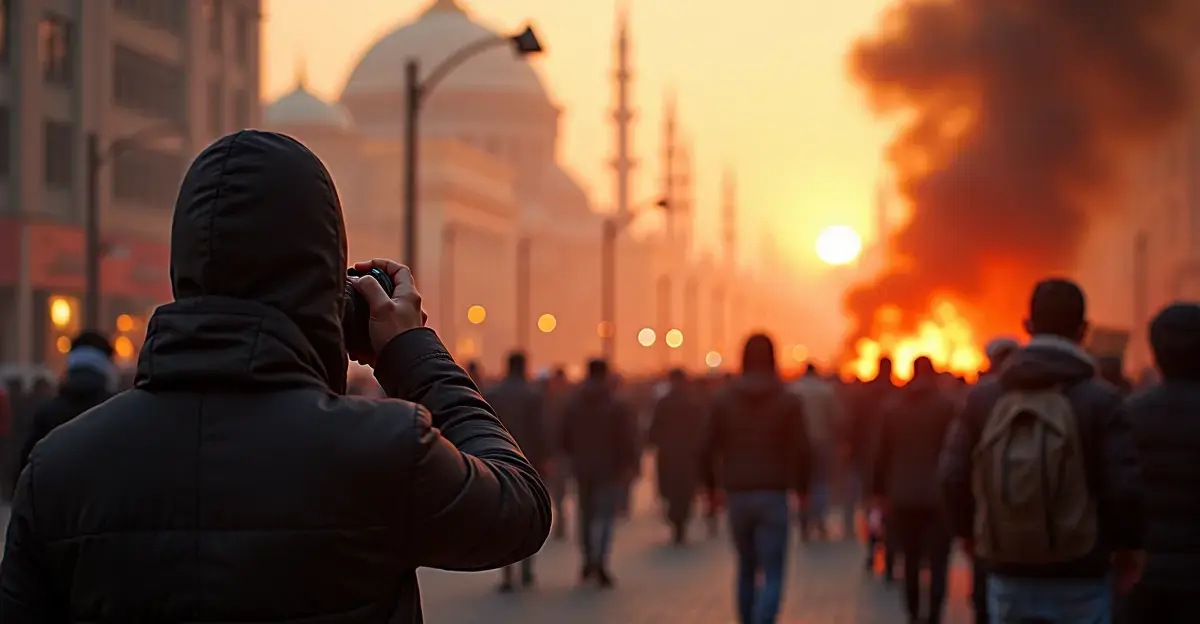
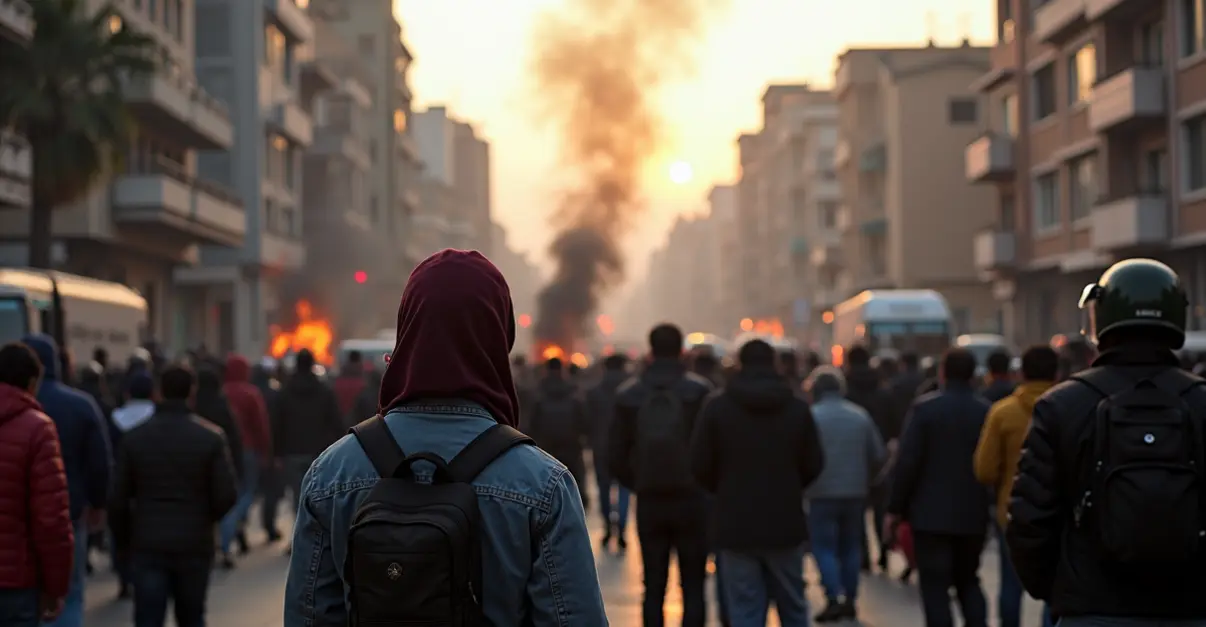
Iran has entered 2026 with its most significant wave of protests in years, as economic desperation fuels nationwide demonstrations that have spread to at least 80 cities across all 31 provinces. What began in late December 2025 as shopkeepers closing their stores in Tehran's historic Grand Bazaar has evolved into a broader movement against economic hardship, political repression, and systemic corruption.
The Economic Powder Keg
The immediate trigger for the current unrest is economic collapse. Iran's currency, the rial, has lost nearly half its value in just one year, while inflation hovers around 40-50% with food prices skyrocketing by over 70% in some cases. 'For ordinary Iranians, this means empty wallets, mounting debts, and vanishing hope,' explains Middle East analyst David Poort. The economic crisis stems from years of international sanctions, structural mismanagement, and corruption that have hollowed out Iran's economy.
According to DW reports, Iran's inflation reached 42.4% in 2025 and is projected to remain above 40% in 2026. The currency crisis has been particularly devastating, with the rial hitting historic lows on the black market.
From Economic Grievances to Political Demands
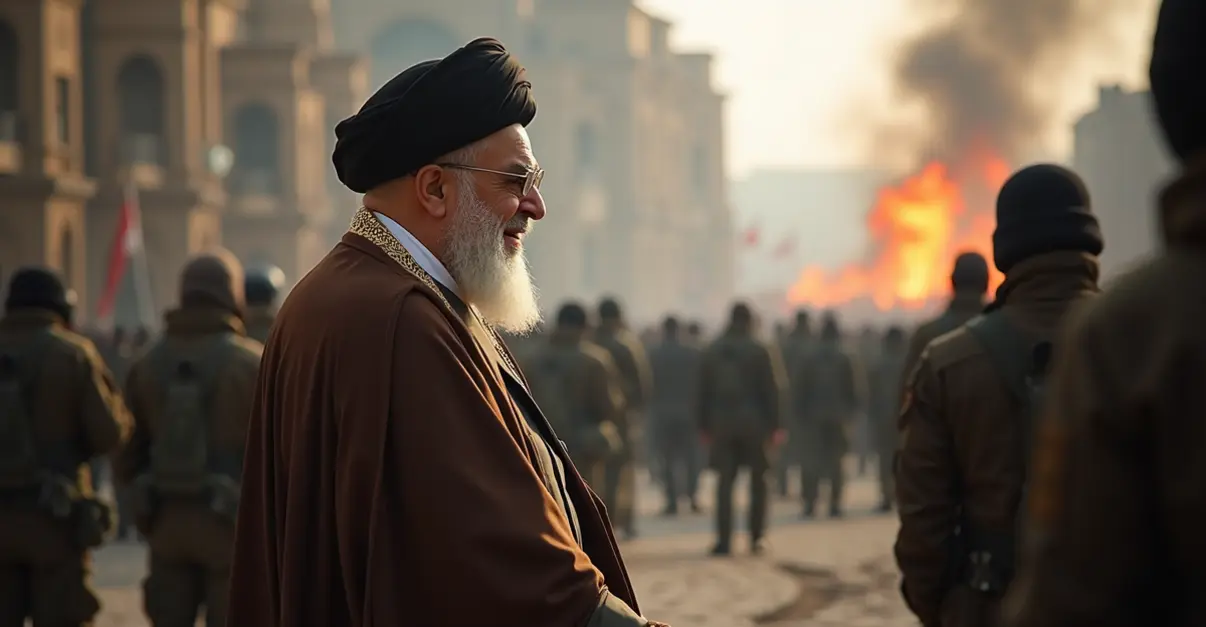
While the protests began with economic demands, they have quickly evolved to include political slogans against Supreme Leader Ali Khamenei and, in some cases, expressions of support for Reza Pahlavi, the exiled son of Iran's last shah. This distinguishes the current movement from previous protest waves, including the 2022-2023 demonstrations following Mahsa Amini's death, which were primarily driven by social and women's rights issues.
'What we're seeing is economic desperation transforming into political mobilization,' notes human rights researcher Tara Sepehri Far. 'People who might have previously focused only on making ends meet are now questioning the entire system that has failed them.'
Brutal State Response and Human Rights Concerns
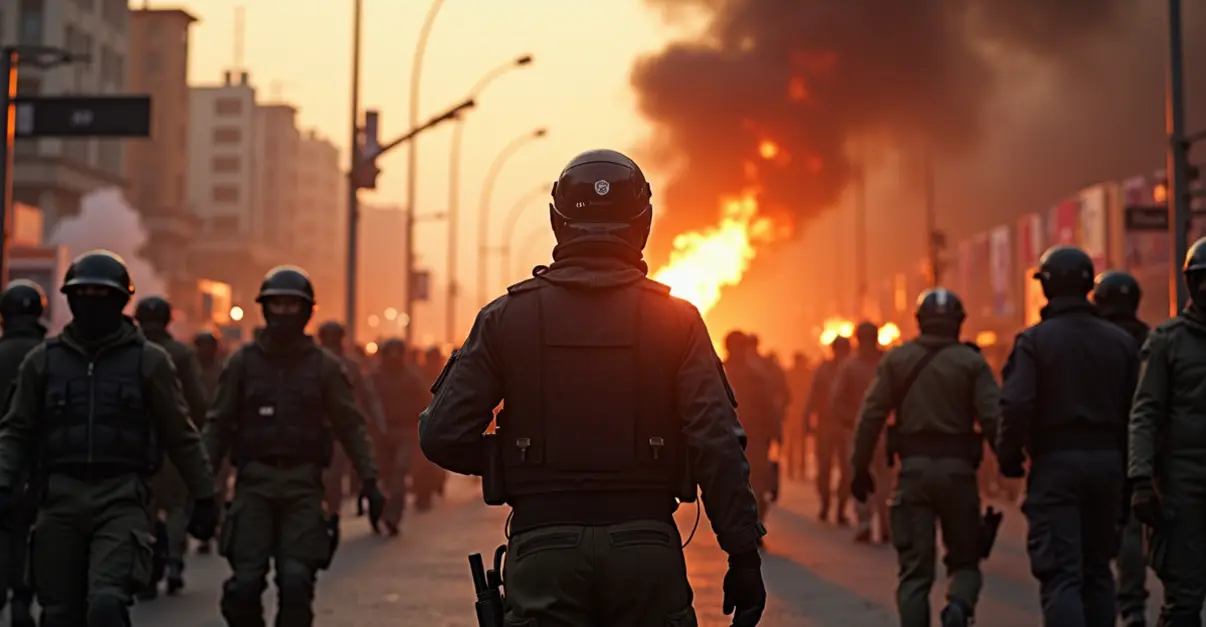
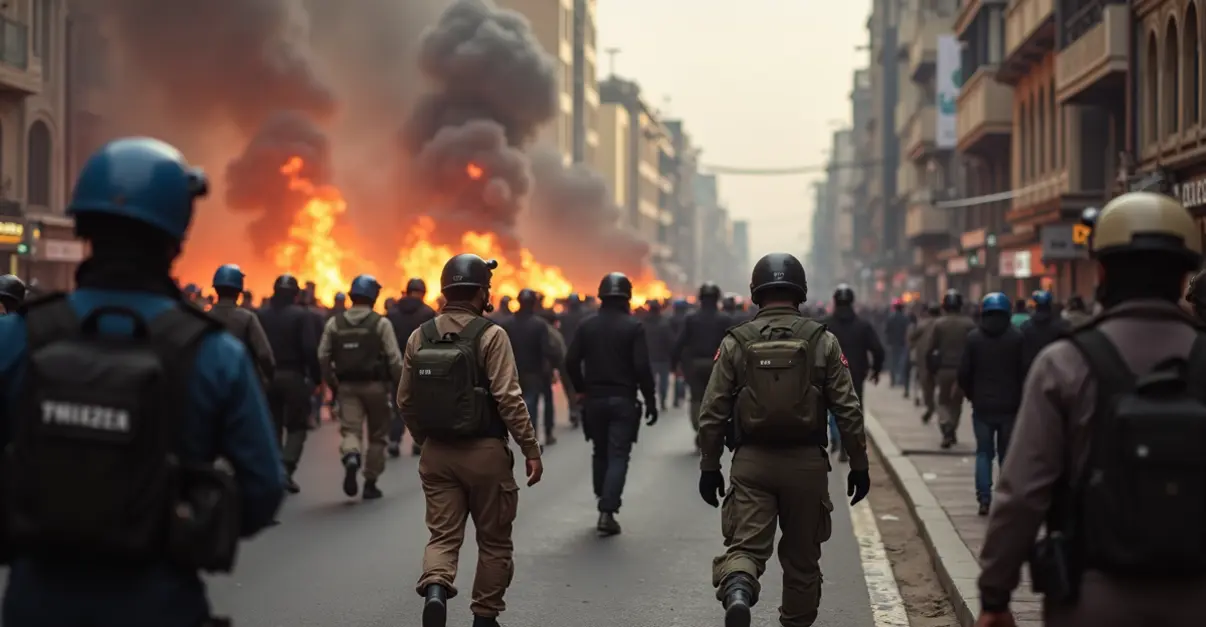
The Iranian government's response has been characteristically harsh. According to Human Rights Watch, security forces have killed at least 27 protesters and bystanders, including children, using military-grade weapons, metal pellets, tear gas, and batons against unarmed demonstrators. The Center for Human Rights in Iran reports over 2,000 arbitrary arrests, with security forces even raiding hospitals to detain injured protesters.
UN Secretary-General António Guterres has expressed 'deep sadness' over the loss of life and called on Iranian authorities to uphold freedom of expression and peaceful assembly. The internet has been severely restricted in many areas, making it difficult for protesters to share videos and coordinate activities.
Internal Divisions and Uncertain Future
The government response reveals internal tensions. While President Masoud Pezeshkian has promised space for peaceful protest and announced emergency measures including monthly allowances for millions of Iranians, Supreme Leader Khamenei and security forces emphasize that 'riots' will be harshly suppressed. 'This dual approach reflects the regime's dilemma,' explains political analyst Sanam Vakil. 'They recognize the economic crisis is real but fear any concession could lead to broader political demands.'
The protests have shown signs of diminishing in some cities but continue to simmer. With prices continuing to rise and promised reforms failing to materialize, the fundamental conditions driving unrest remain unchanged. As one Tehran resident told reporters anonymously: 'We whisper our anger today, but tomorrow we may shout it. The question isn't if we'll protest again, but when, and how hard they'll hit us when we do.'