Nederlands
 English
 Deutsch
 Français
 Español
 Português





Austria's Controversial Headscarf Ban Passes Parliament
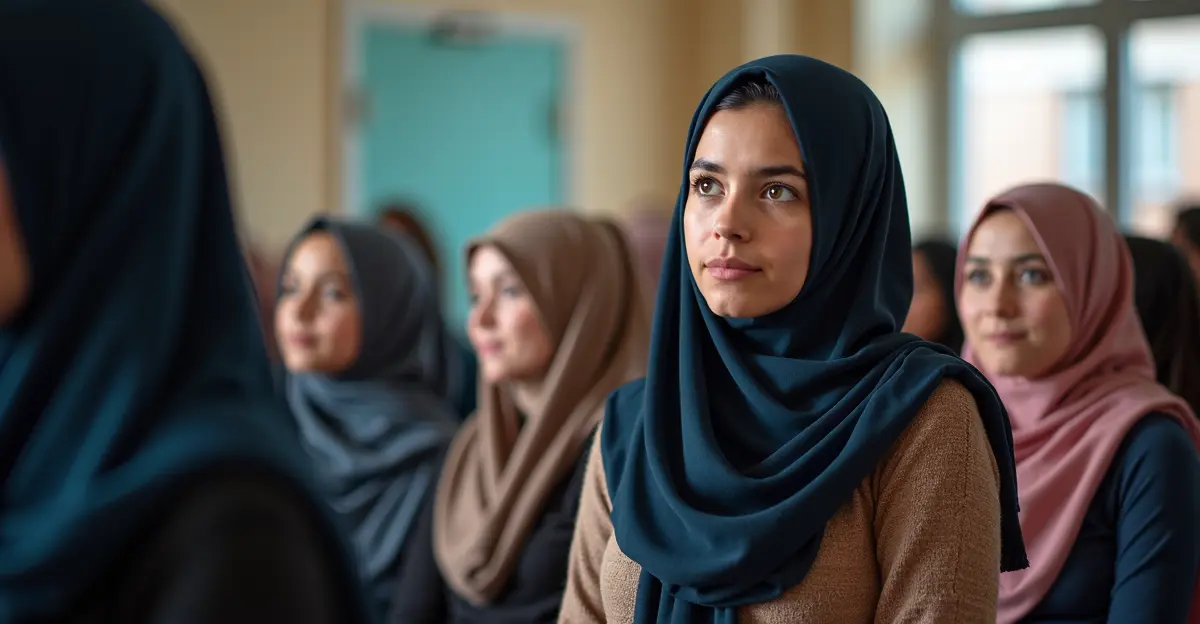
Austria's parliament has approved a highly contentious law banning headscarves for girls under 14 in all schools, marking a significant development in Europe's ongoing debate about religious expression in educational settings. The legislation, passed on December 11, 2025, specifically targets traditional Muslim head coverings like hijabs and burqas, with the conservative-led government arguing it protects young girls from oppression.
Details of the New Legislation
The ban applies to both public and private schools across Austria and will affect approximately 12,000 girls according to government estimates. Starting in September 2026, with an awareness-raising period beginning in February 2026, schools will first engage in discussions with students and parents if girls arrive wearing headscarves. If families persist, they could face fines ranging from €150 to €850.
Integration Minister Claudia Plakolm defended the legislation, stating: 'This is about protecting girls' freedom and preventing sexualization. Headscarves for minors are a symbol of oppression that we cannot accept in our schools.'
Constitutional Concerns and Previous Rulings
The legislation faces significant constitutional challenges, as Austria's Constitutional Court previously struck down a similar ban for children under 10 in 2020. That ruling found the earlier ban specifically discriminated against Muslims and violated the state's duty of religious neutrality.
Only the Green party voted against the current measure, not because they support headscarves for young girls, but because they believe it violates constitutional principles. Green party spokesperson Sarah Patek explained: 'We're concerned this legislation targets a specific religious group and may not withstand legal scrutiny, just like the previous ban that was overturned.'
International Context and Reactions
Austria joins several European countries that have implemented restrictions on religious clothing in public spaces. According to Wikipedia's documentation, at least 23 countries worldwide have implemented some form of burqa or face-covering ban, including several European nations like France, Belgium, Denmark, and the Netherlands.
The Islamic Community in Austria has announced plans to challenge the law's constitutionality. Their spokesperson stated: 'This ban stigmatizes Muslim children and jeopardizes social cohesion. We believe it violates fundamental rights and will pursue all legal avenues to protect our community.'
Human rights organizations have also voiced strong opposition. Amnesty International Austria called the law 'blatant discrimination against Muslim girls' and warned it contributes to anti-Muslim racism.
Political Landscape and Implementation
The legislation passed with support from centrist parties and the far-right Freedom Party, which actually argued the ban doesn't go far enough and should apply to all students and staff. The government has attempted to address constitutional concerns by more clearly explaining why the ban applies specifically to Islamic head coverings while exempting Jewish kippahs or Sikh patkas, arguing that only the former represents oppression.
As reported by BBC News, the ban represents Austria's latest attempt to regulate religious expression in schools, following years of political debate about integration and religious freedom in the country with a Muslim population of approximately 8%.
The coming months will likely see legal challenges and continued public debate as Austria prepares to implement this controversial policy that touches on fundamental questions of religious freedom, children's rights, and the role of the state in regulating religious expression.