


 Deutsch
 English
 Español
 Français
 Nederlands
 Português


 Share
Share




Cost of Living Crisis Puts European Democracy at Risk
European Economic and Social Committee President Oliver Röpke has issued a stark warning that the ongoing housing and cost of living crisis represents a fundamental threat to democratic stability across the European Union. In an exclusive interview with European Newsroom, Röpke emphasized the urgent need for comprehensive EU action.
Alarming Statistics Reveal Deepening Crisis
According to Eurostat data published in July 2025, housing prices across the EU have surged by 57.9% since 2010, while rents have increased by 27.8% during the same period. Meanwhile, wages have failed to keep pace with these escalating costs, creating unprecedented pressure on European households.
Röpke's Dire Warning
"The cost of living crisis is a big threat for the trust in democracy and for the trust also in the capability of Europe to act," Röpke stated during his final interview as EESC President. "We have to tackle this because otherwise, we see already, standards, fundamental standards, fundamental rights, rule of law standards eroding."
Structural Challenges in Housing Market
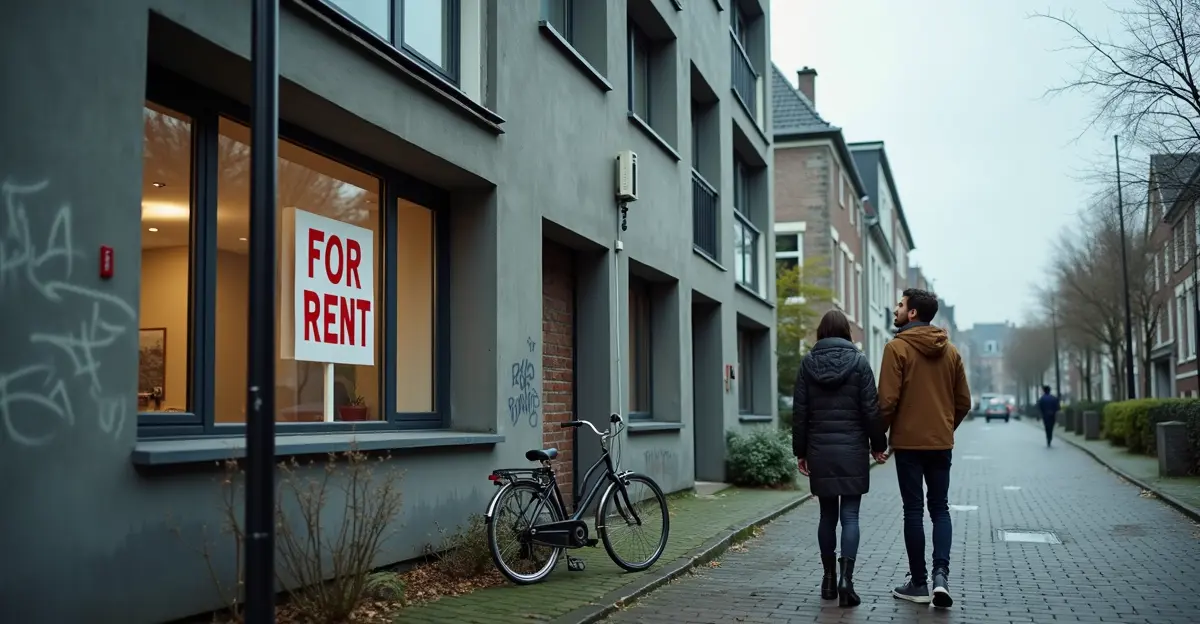
The crisis is exacerbated by multiple factors: rising construction costs, slowing building activity, and the conversion of residential properties into short-term rentals and investment vehicles. This perfect storm has particularly affected urban centers, where affordable housing has become increasingly scarce.
EU's Limited But Growing Role
While housing policy remains primarily a national competence, the EU is preparing to launch its Affordable Housing Plan in early 2026. The European Commission recently appointed its first-ever Commissioner for Housing, Dan Jørgensen, who emphasized the plan's comprehensive approach.
Financial Solutions and Political Will
Röpke highlighted financing as a critical challenge, noting that while solutions will be expensive, "the cost of inaction would be even higher." He expressed optimism about the European Investment Bank's willingness to develop new financial instruments and urged greater focus on affordable housing within cohesion policy frameworks.
The housing crisis emerged as a central issue during the 2024 European Parliament elections, with rising costs and economic concerns driving voter behavior according to post-electoral surveys. As Röpke concludes his 2.5-year term, he leaves behind a urgent call for concrete EU action to preserve both housing affordability and democratic stability.




Follow Discussion