


 Deutsch
 English
 Español
 Français
 Nederlands
 Português


 Share
Share




Deep beneath the Great Lakes, in a 350‑million‑year‑old rock formation, scientists have uncovered a bustling hidden ecosystem that thrives without sunlight. Rock‑eating fungi, microscopic tardigrades, roundworms, and even parasites have been discovered living in the Antrim Shale at depths of 200 to 500 meters. The findings, published in The ISME Journal, challenge long‑held assumptions about where complex life can survive—and raise urgent questions about a potential climate threat.
A Subterranean World Frozen in Time
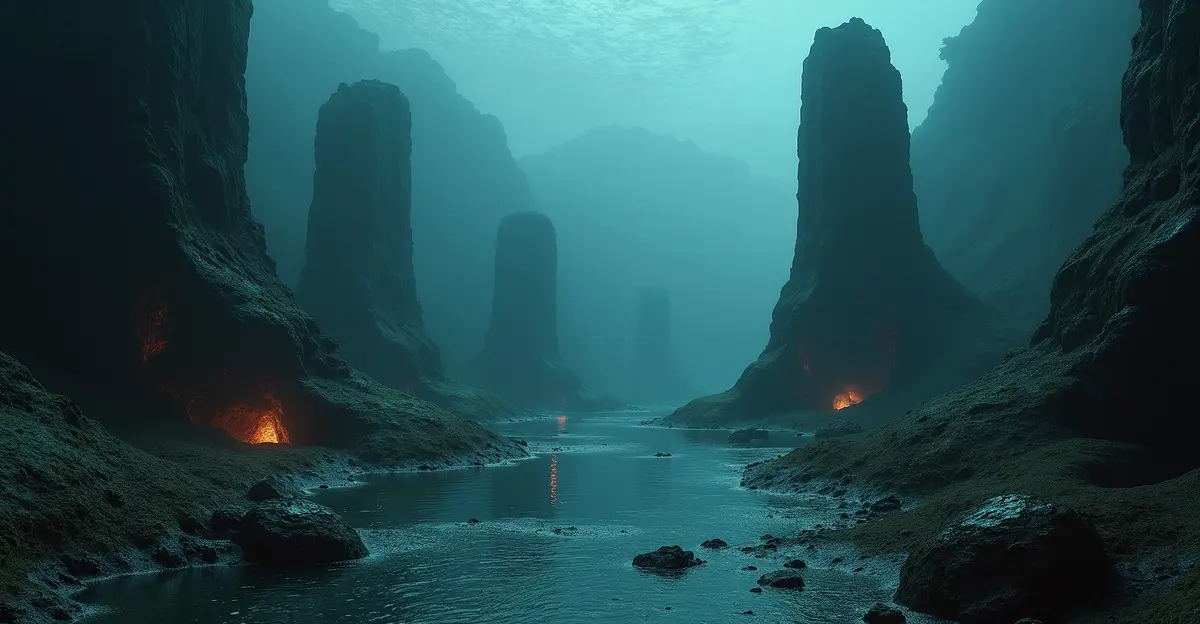
The Antrim Shale stretches across Michigan, Ohio, Indiana, and Wisconsin, and has long been exploited for natural gas. But when researchers from the University of Michigan analyzed water pumped from gas wells, they found far more than methane. Isotope dating revealed that the water had been isolated from the surface for roughly 11,000 years, since the end of the last ice age. “Our study challenges the idea that it's inhospitable for more complex life like fungi in the deep subsurface,” said lead author Quinn Moon. “Under favorable conditions, eukaryotes can actually be quite abundant.” This ancient, lightless realm—once thought to be nearly sterile—turns out to be a deep subsurface life hotspot.
Rock‑Eating Fungi and a Complex Food Web
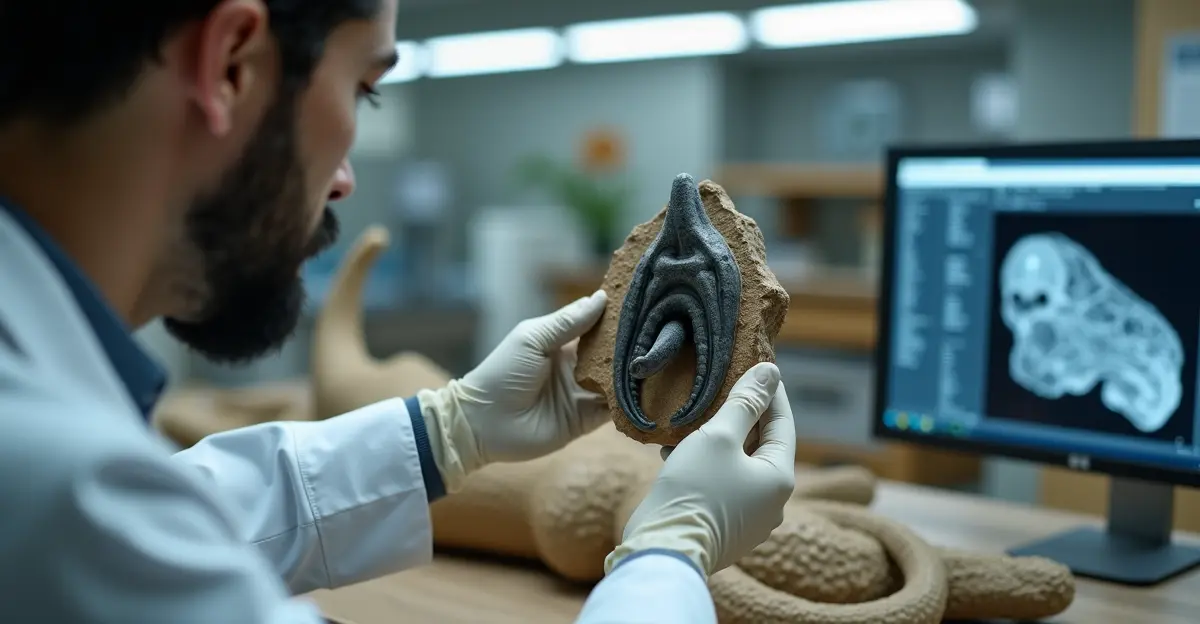
DNA analysis identified 689 distinct fungal species, 13 of which appear entirely new to science. The dominant groups, Agaricomycetes and Dothideomycetes, are known for breaking down lignin and cellulose—tough organic compounds that most organisms cannot digest. Here, however, they have adapted to feed on the shale itself, secreting enzymes that unlock carbon from the rock. A single drop of water contained roughly 250 fungal cells. Beyond fungi, the team found traces of tardigrades (water bears), nematodes, and parasites such as Ichthyosporea and Rozellomycota, suggesting a complex microbial food web in which fungi act as both decomposers and prey.
Life Without Sunlight: How Do They Survive?
Unlike surface ecosystems that depend on photosynthesis, this community relies on chemolithoautotrophy—organisms that derive energy from inorganic compounds in the rock. The shale’s organic‑rich layers provide a continuous supply of carbon, while methanogenic archaea produce methane in low‑oxygen pockets. Some microbes may even generate oxygen through previously unknown pathways, though oxygen levels remain extremely low. The discovery that eukaryotes (complex, nucleus‑bearing cells) can thrive in such an extreme environment rewrites textbooks on the limits of life, and echoes the extremophile adaptations seen in deep‑sea hydrothermal vents.
A Hidden Climate Threat
The find also has sobering implications for climate science. The Antrim Shale is a major source of natural gas, and hydraulic fracturing operations already disturb these deep layers. If fungi and other organisms are actively breaking down organic matter in the shale, they could accelerate the release of methane—a greenhouse gas 80 times more potent than CO₂ over 20 years. “Fungi must be included in models of subsurface carbon cycling and sequestration,” the researchers warn. As the world grapples with methane emissions from fracking, this newly revealed biological activity could complicate efforts to quantify and mitigate fugitive emissions.
Frequently Asked Questions
What did scientists discover beneath the Great Lakes?
They found a vibrant ecosystem of rock‑eating fungi, tardigrades, nematodes, and parasites living 200–500 meters deep in the Antrim Shale formation, completely isolated from sunlight for 11,000 years.
How do these organisms survive without sunlight?
They rely on chemolithoautotrophy—obtaining energy from inorganic compounds in the shale—and break down organic carbon locked in the rock. Some may also live in symbiotic relationships with methanogenic archaea.
Why is this discovery important for climate change?
The activity of these organisms could speed up the decomposition of organic matter in the shale, potentially releasing more methane during gas extraction. This needs to be factored into climate models.
Are any of these species new to science?
Yes, out of 689 fungal species identified, 13 appear to be completely new. Many others had never been documented in such deep, isolated environments.
Follow Discussion