


 Deutsch
 English
 Español
 Français
 Nederlands
 Português


 Share
Share




Rare Black Jaguar Spotted in Ecuador: Conservation Breakthrough Explained
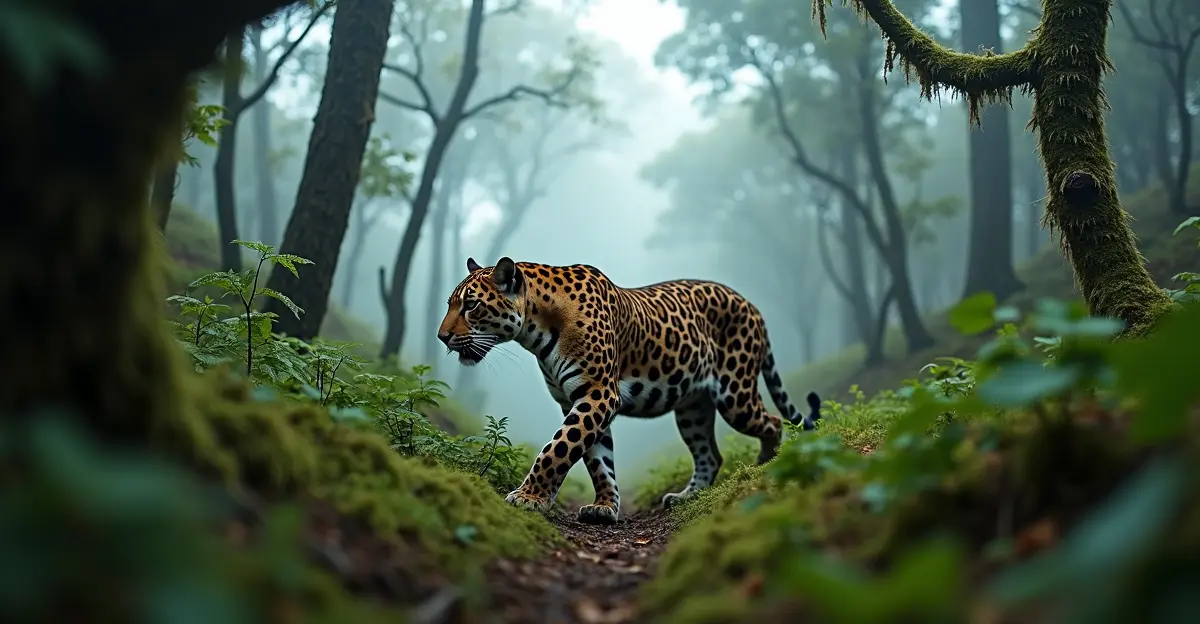
In a remarkable conservation discovery, a rare black jaguar has been captured on camera in the Ecuadorian Amazon, marking a significant milestone for wildlife protection efforts in the region. The elusive melanistic predator was filmed by WWF surveillance cameras in December 2025 near the Peruvian border, with the footage only recently being analyzed and made public in April 2026. This sighting represents one of the few documented instances of a black jaguar in Ecuador and provides crucial evidence of ecosystem health in the threatened Amazon rainforest.
What is a Black Jaguar?
A black jaguar is not a separate species but rather a color variation of the common jaguar (Panthera onca) caused by melanism. This genetic condition results in an overproduction of dark pigment, giving the animal its distinctive black coat. While appearing solid black in most lighting, these jaguars still possess the characteristic rosette patterns of their spotted counterparts, which become visible in bright sunlight. Only about 6-10% of jaguars exhibit this rare melanistic trait, making such sightings exceptionally valuable for conservation research.
The Ecuadorian Discovery: Key Details
The black jaguar was captured on camera traps in the eastern Ecuadorian Amazon, specifically in the region inhabited by the Tinkias indigenous community in Pastaza province. The footage, recorded in December 2025, shows the majestic predator moving through dense rainforest vegetation near the border with Peru. WWF Ecuador officials delayed the announcement until April 2026 to properly analyze the footage and coordinate with local conservation partners.
Location and Timing
The sighting occurred in one of Ecuador's most biodiverse regions, where the Amazon rainforest conservation efforts have been intensifying in recent years. The Tinkias community has been working with WWF to protect approximately 40,000 hectares of primary forest, implementing biodiversity monitoring programs that made this discovery possible.
Conservation Significance
'That we find a black jaguar in this area means the ecosystem is in stable and good condition, and that our work is bearing fruit. The forest is in balance, otherwise we would never see such a rare animal here,' said Rebeca Martinez of WWF Ecuador. The presence of this apex predator indicates healthy prey populations and minimal human disturbance, serving as a key indicator of overall ecosystem health.
Understanding Melanism in Jaguars
Melanism in jaguars is caused by a dominant allele in the agouti gene, which regulates pigment distribution. This genetic variation results in:
- Increased melanin production: Higher concentrations of dark pigment in fur
- Camouflage advantages: Better concealment in dense forest shadows
- Genetic inheritance: Black jaguars can only be produced when at least one parent carries the melanistic gene
- Population rarity: Affects only 6-10% of jaguars globally
Unlike albinism (reduced pigment) or leucism (partial loss of pigment), melanism represents an excess of pigment that may provide evolutionary advantages in specific environments. The genetic wildlife variations observed in jaguars offer scientists valuable insights into adaptation and survival strategies in changing ecosystems.
Jaguar Conservation Challenges in Ecuador
Ecuador's jaguar population faces significant threats that make this discovery particularly important:
| Threat | Impact | Conservation Response |
|---|---|---|
| Deforestation | Loss of 47,000+ hectares annually in Ecuador | Protected area expansion |
| Habitat Fragmentation | Isolated populations with reduced genetic diversity | Wildlife corridor creation |
| Human-Wildlife Conflict | Livestock predation leading to retaliatory killings | Community coexistence programs |
| Illegal Wildlife Trade | Poaching for skins and body parts | Enhanced law enforcement |
According to Global Forest Watch data, Ecuador has experienced significant deforestation in recent decades, particularly in Amazonian provinces where jaguars primarily reside. The South American wildlife protection initiatives have become increasingly critical as habitat loss accelerates across the continent.
Impact and Implications for Conservation
The black jaguar sighting carries multiple implications for conservation science and policy:
- Ecosystem Health Indicator: Presence of apex predators signals balanced food webs and minimal human disturbance
- Conservation Success Metric: Validates WWF's community-based protection programs with the Tinkias people
- Research Opportunity: Provides data on melanistic jaguar distribution and behavior in Ecuador
- Public Awareness: Highlights the importance of Amazon conservation to global audiences
The discovery comes at a critical time for Ecuador's conservation efforts, as the country balances economic development with environmental protection. Similar to recent findings of rare Amazonian species rediscoveries, this black jaguar sighting underscores the importance of continued investment in protected areas and community-led conservation initiatives.
Frequently Asked Questions (FAQ)
How rare are black jaguars?
Black jaguars represent only 6-10% of the total jaguar population, making them exceptionally rare. Exact numbers are difficult to determine due to their elusive nature and remote habitats.
Are black jaguars a separate species?
No, black jaguars are the same species (Panthera onca) as spotted jaguars. The black coloration results from melanism, a genetic variation that causes excess dark pigment.
Why is this discovery important for conservation?
The presence of a black jaguar indicates a healthy, balanced ecosystem with minimal human disturbance. It validates conservation efforts and provides crucial data for protecting jaguar habitats in Ecuador.
What threats do jaguars face in Ecuador?
Jaguars face deforestation, habitat fragmentation, human-wildlife conflict, and illegal wildlife trade. Ecuador loses approximately 47,000 hectares of forest annually, directly impacting jaguar territories.
How can people help jaguar conservation?
Supporting organizations like WWF, choosing sustainable products, and advocating for protected area expansion all contribute to jaguar conservation efforts.
Follow Discussion