


 Deutsch
 English
 Español
 Français
 Nederlands
 Português


 Share
Share




What is a Cloud Jaguar?
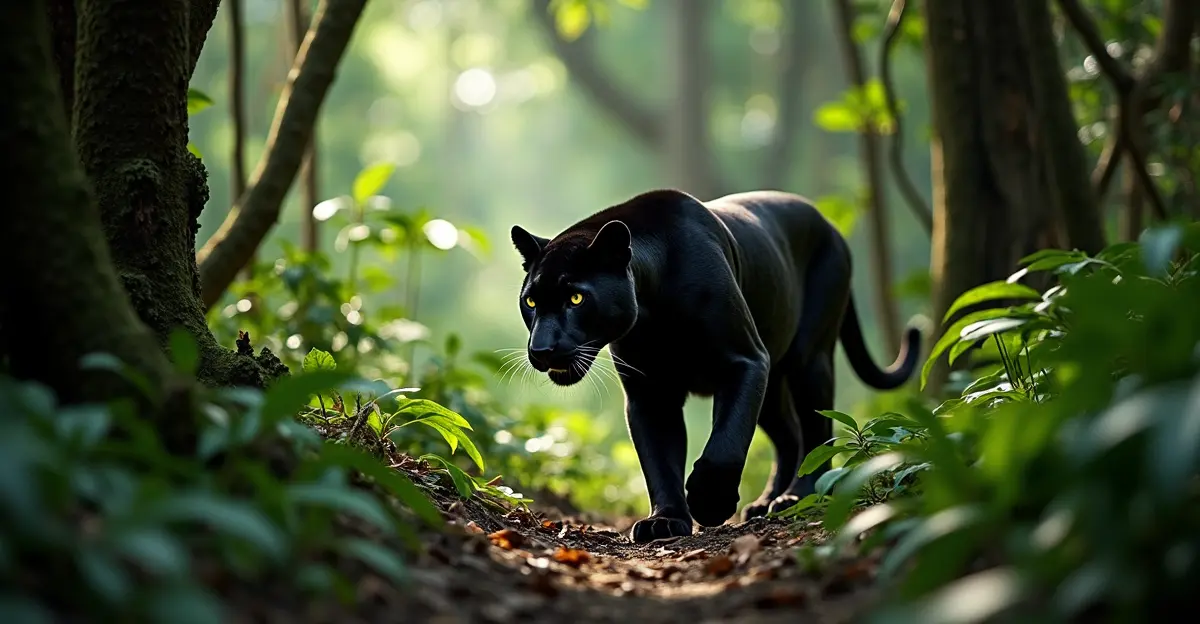
A rare 'cloud jaguar' has been spotted in Honduras for the first time in a decade, marking a significant conservation breakthrough for the endangered big cat species. The solitary male jaguar was photographed on February 6, 2026, at an altitude of 2,200 meters in the Sierra del Merendón mountain range in western Honduras, according to camera trap images shared by conservation organization Panthera. This high-altitude sighting is particularly remarkable because jaguars typically inhabit areas below 1,000 meters, making this observation one of only three such high-elevation recordings in Honduras since 2016.
Historical Context and Conservation Background
The jaguar (Panthera onca) is the largest cat species in the Americas and the third largest in the world, but has lost approximately 49% of its historic range across the continent. In Honduras, jaguars primarily inhabit two national parks in the country's northern region, with only scattered populations remaining in other areas. The species faces significant threats from habitat loss, poaching, and human-wildlife conflicts, particularly with ranchers in Central and South America. The global jaguar conservation efforts have intensified in recent years as populations continue to decline.
Franklin Castañeda, director of Panthera Honduras, who shared the images with CNN, called the discovery "fantastic" and noted that the mountain range had been under surveillance for 15 years. "The young male was likely moving through the border area between Honduras and Guatemala in search of females," Castañeda explained. This movement is crucial for maintaining genetic diversity among isolated jaguar populations.
Why This Sighting Matters for Conservation
Habitat Recovery and Deforestation Reversal
The sighting comes as Honduras implements ambitious environmental policies to combat decades of deforestation. According to Global Forest Watch, Honduras lost 1.5 million hectares of forest in the past 25 years—nearly one-fifth of its total forested area—primarily for agricultural expansion. The current government has committed to reducing deforestation by the end of this decade and restoring 1.3 million hectares of forest through its Zero Deforestation Plan 2029.
This plan includes military patrols to protect forests and has already shown positive results. Panthera reports that poaching has decreased in Honduras in recent years, improving living conditions for jaguars. "It appears we are seeing a recovery in large cats in general," Castañeda concluded, pointing to broader ecological improvements.
High-Altitude Adaptation and Range Expansion
Jaguars are typically found in tropical and subtropical moist broadleaf forests, wetlands, and wooded regions at lower elevations. Their ability to survive at 2,200 meters suggests potential adaptation to changing environmental conditions or exploration of new territories. This sighting represents only the third high-altitude jaguar recording in Honduras, with previous observations occurring in 2016 and earlier.
The Sierra del Merendón range has become a conservation success story, with all five wild cat species native to Honduras now detected there, including pumas, ocelots, jaguarundis, and margays. Conservation efforts by Panthera and partners have included camera traps, ranger patrols, and reintroduction of jaguar prey species, leading to reduced poaching and habitat recovery.
Regional Conservation Trends and Positive Developments
The Honduran sighting aligns with positive jaguar conservation trends across the Americas. In December 2025, a rare black jaguar was spotted in Ecuador's jungle, and a nationwide survey in Mexico in 2024 showed that the jaguar population there had increased by 30% since 2010. These developments suggest that coordinated conservation efforts can yield measurable results.
Jaguars live exclusively in South, Central, and a small part of North America, and should not be confused with leopards (also called panthers), which inhabit Africa and parts of Asia. The endangered species protection programs across the Americas have become increasingly sophisticated, incorporating technology like camera traps, satellite monitoring, and genetic analysis to track populations.
Future Implications for Jaguar Conservation
The cloud jaguar sighting serves as both a symbol of hope and a call to action for conservationists. With jaguars classified as Near Threatened on the IUCN Red List since 2002, every population discovery provides valuable data for protection strategies. The movement of this young male through the Honduras-Guatemala border region highlights the importance of maintaining biological corridors between protected areas.
Conservation experts emphasize that this rediscovery must be followed by expanded protected areas, reduced human-wildlife conflict, and increased conservation funding to ensure the jaguar's long-term survival in Honduras. The wildlife corridor preservation initiatives in Central America have gained renewed importance following this discovery.
Frequently Asked Questions About Cloud Jaguars
What is a cloud jaguar?
A cloud jaguar is a term used for jaguars spotted at unusually high altitudes in cloud forest environments, like the 2,200-meter sighting in Honduras' Sierra del Merendón range.
Why are high-altitude jaguar sightings so rare?
Jaguars typically inhabit areas below 1,000 meters and prefer tropical forests. High-altitude sightings are rare because these environments differ significantly from their preferred habitats and may present challenges like temperature extremes and different prey availability.
How many jaguars remain in Honduras?
While exact numbers are difficult to determine, Honduras is home to dozens of jaguars, primarily concentrated in two national parks in the country's northern region.
What threats do jaguars face in Central America?
Major threats include habitat loss from deforestation, poaching for body parts, and conflicts with ranchers over livestock predation.
How can people support jaguar conservation?
Supporting organizations like Panthera, advocating for protected areas, and promoting sustainable land use practices can all contribute to jaguar conservation efforts.
Follow Discussion