Nederlands
 English
 Deutsch
 Français
 Español
 Português
South Korea bans bear bile farming effective January 2026, ending decades of controversial practice. The ban follows declining industry numbers and growing animal welfare awareness, though challenges remain in relocating remaining bears and compensating farmers.
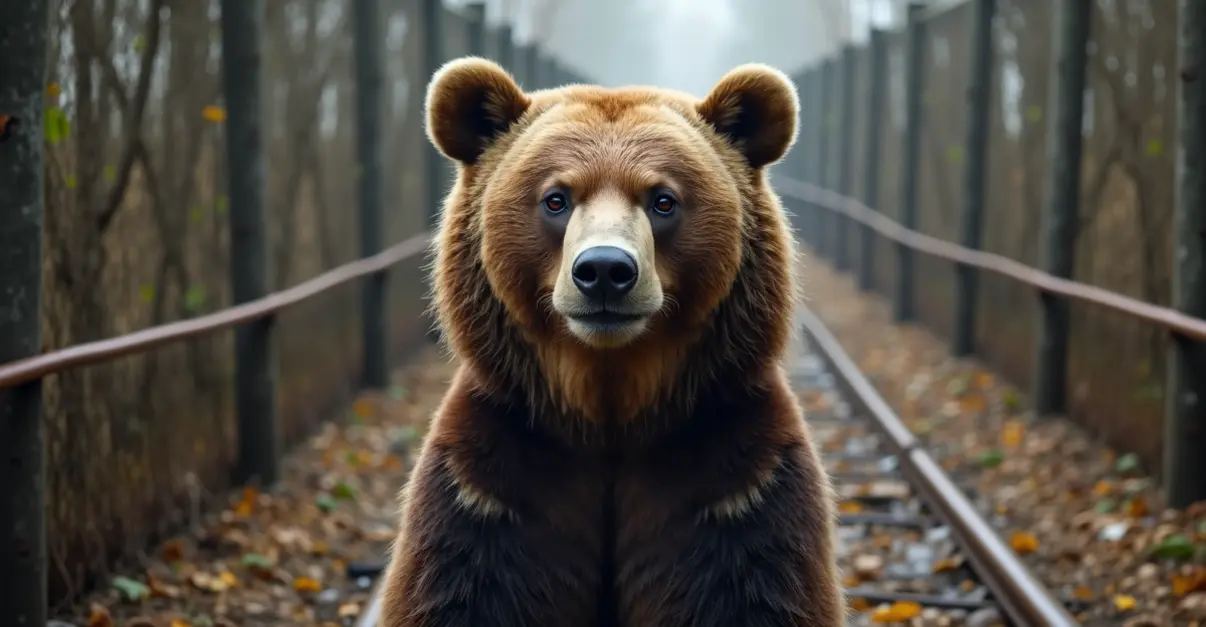
Historic Ban Ends Decades of Controversial Practice
South Korea has announced a landmark decision to formally end its controversial bear bile farming industry, with a complete ban on breeding, possession of bears, and bile extraction taking effect on January 1, 2026. This historic move follows a 2022 agreement between government officials, farmers, and animal rights organizations, and represents a significant victory for wildlife welfare advocates who have campaigned against the practice for decades.
The Brutal Reality of Bear Bile Farming
Bear bile farming involves extracting bile from Asiatic black bears, commonly known as moon bears, for use in traditional Asian medicine. The practice, which began in South Korea in the early 1980s, has been globally condemned for its extreme cruelty. Bears are typically kept in small cages, sometimes for up to 30 years, where they cannot stand, turn around, or engage in natural behaviors. Bile extraction methods involve painful surgical procedures that often leave permanent fistulas or inserted catheters, leading to infections and high mortality rates.
'These bears endure unimaginable suffering - confined in cages barely larger than their bodies, subjected to repeated painful procedures throughout their lives,' said a spokesperson from Humane Society International, one of the organizations that has campaigned against the practice.
Declining Industry and Changing Attitudes
The industry has seen a dramatic decline over the past two decades. In 2014, approximately 1,000 bears were kept on South Korean farms, but that number has dropped to just 199 bears across 11 farms today. This decline reflects several factors: increasing public awareness of animal cruelty, questions about the medicinal effectiveness of bear bile, and the availability of cheaper synthetic alternatives like ursodeoxycholic acid (UDCA), the active ingredient in bear bile.
'Public consciousness about animal welfare has fundamentally changed in South Korea,' noted environmental policy expert Dr. Lee Min-ji. 'What was once accepted as traditional medicine is now widely recognized as unnecessary cruelty.'
Implementation Challenges and Compensation
While the ban represents progress, significant challenges remain in its implementation. The government has established a sanctuary in Jeolla province with capacity for 49 bears, but animal rights groups argue this is insufficient for the 199 bears still on farms. So far, only 21 bears have been relocated to the sanctuary, with disputes over compensation amounts delaying further transfers.
Farmers who surrender their bears receive government compensation, but many argue the amounts don't cover their debts from years of upkeep costs. 'We've invested our lives in this business, and now we're being forced to give it up without adequate support,' said one farmer who requested anonymity.
Legal Framework and International Context
The ban is part of South Korea's revised Animal Protection Act, which imposes prison sentences of 2-5 years for violators. Farmers will have a six-month grace period after the ban takes effect, but face legal penalties if they continue bile extraction. South Korea joins a growing list of countries restricting bear bile farming, though the practice continues illegally in China, Vietnam, Laos, and Myanmar, where an estimated 12,000 bears remain in captivity.
Environment Minister Kim Sungwhan stated: 'This decision demonstrates South Korea's commitment to wildlife welfare and our international responsibilities. We're working to ensure a smooth transition for both the bears and the farmers affected by this change.'
The Future for Rescued Bears
Animal rights organizations are calling for the establishment of additional sanctuary facilities to accommodate rescued bears. 'While we celebrate this ban, we must ensure these bears receive proper care and rehabilitation,' said an Animals Asia representative. 'Many have physical and psychological trauma that will require specialized treatment for years to come.'
The ban marks the end of a dark chapter in South Korea's relationship with wildlife, but activists emphasize that continued vigilance and proper implementation will be crucial to ensuring the welfare of the remaining bears and preventing any resurgence of the industry.